|
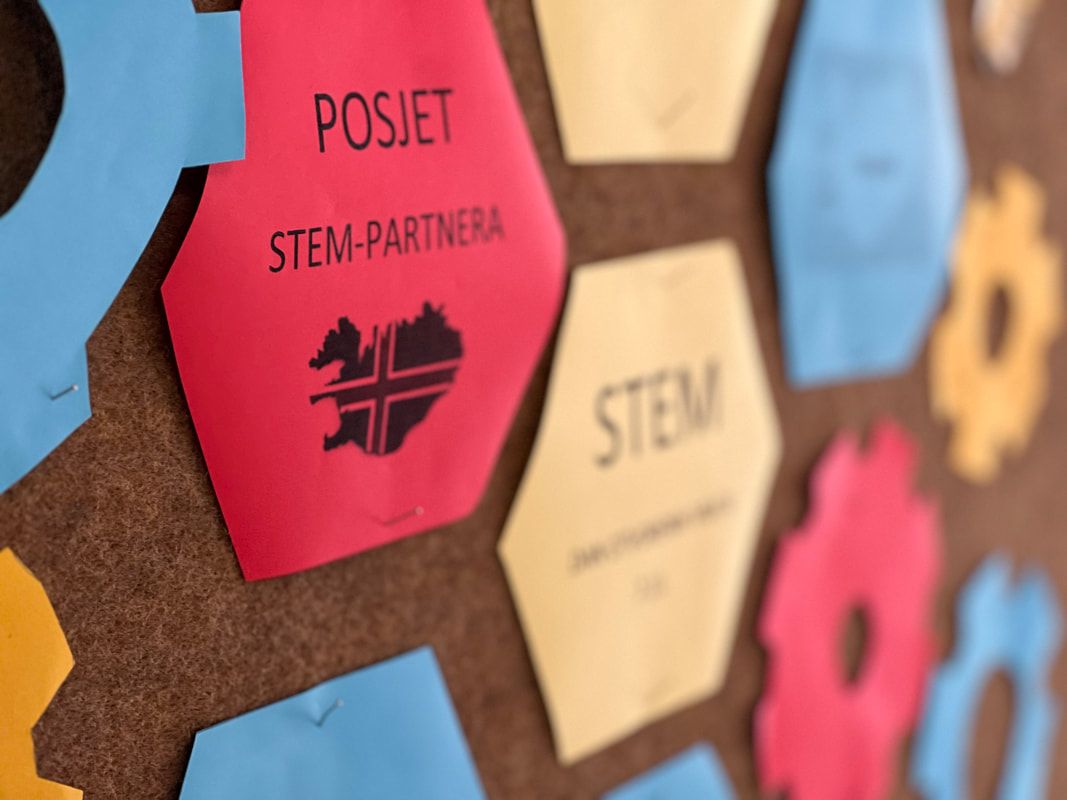
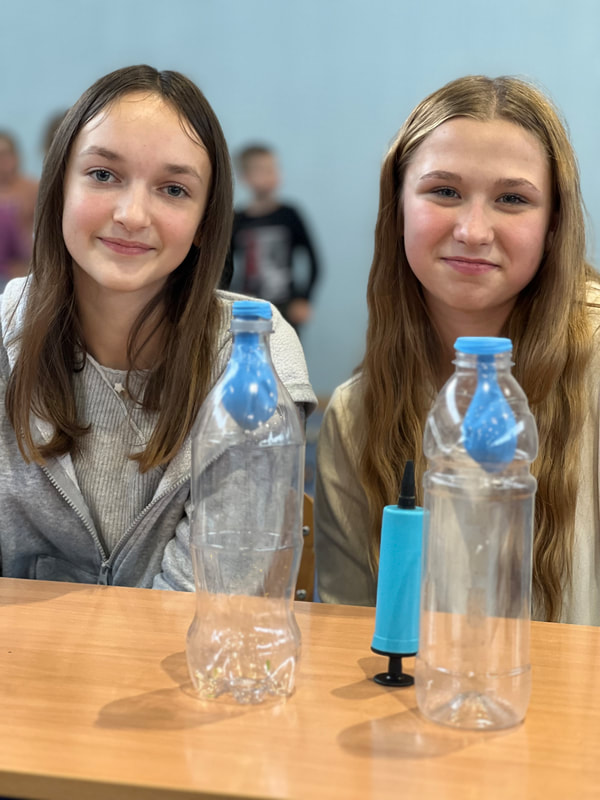
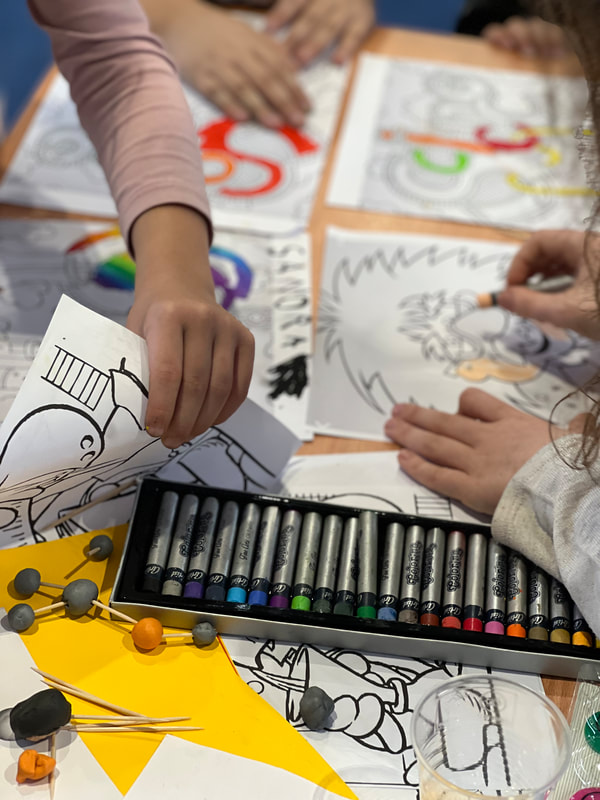
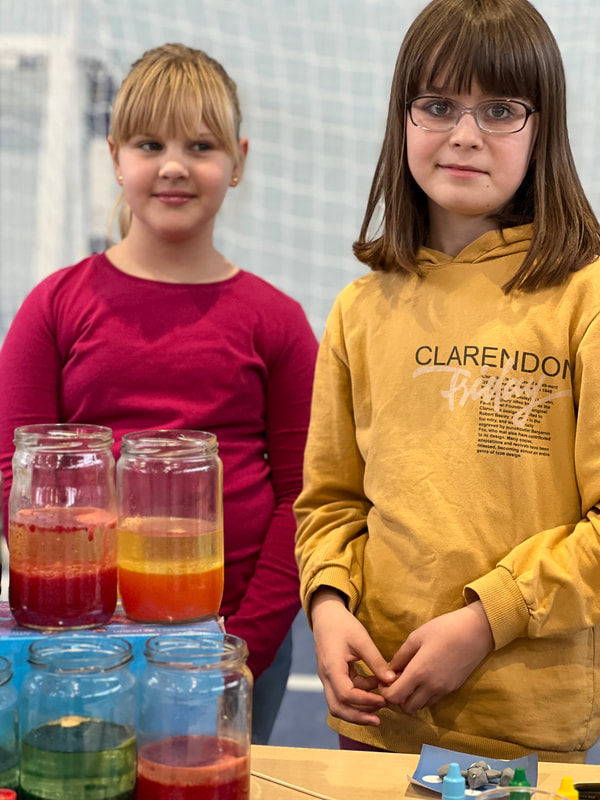
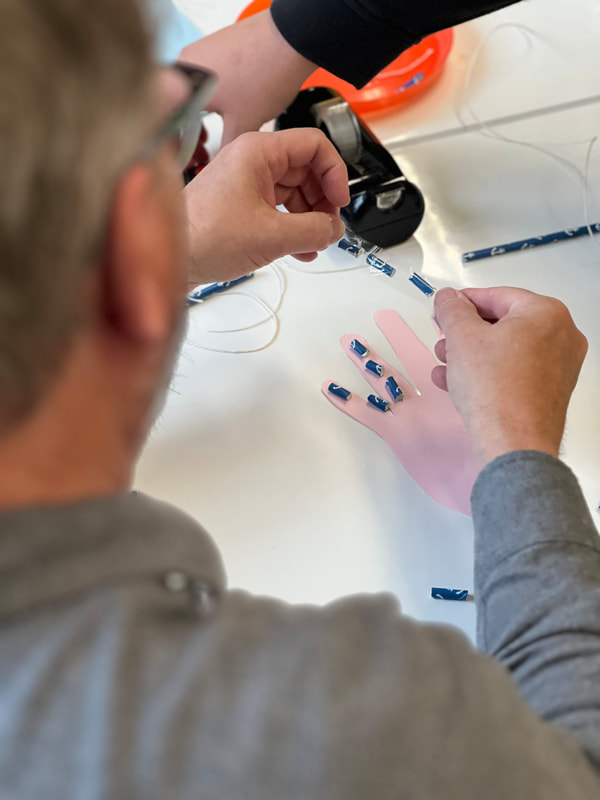
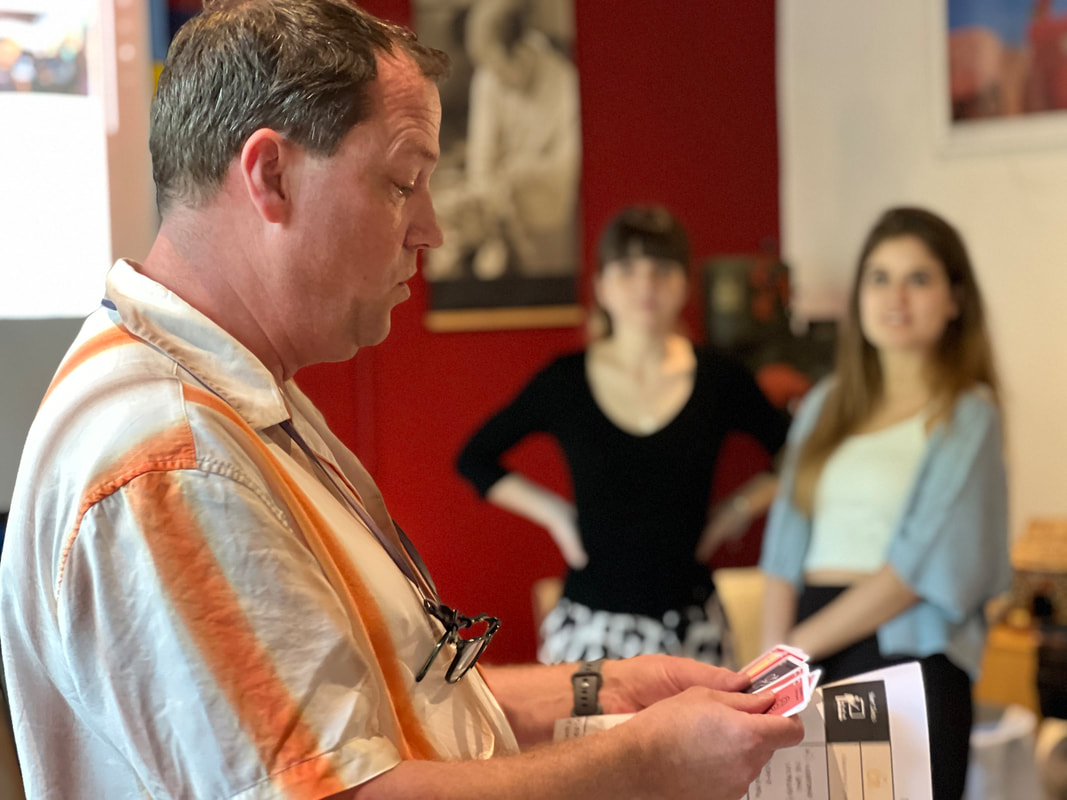
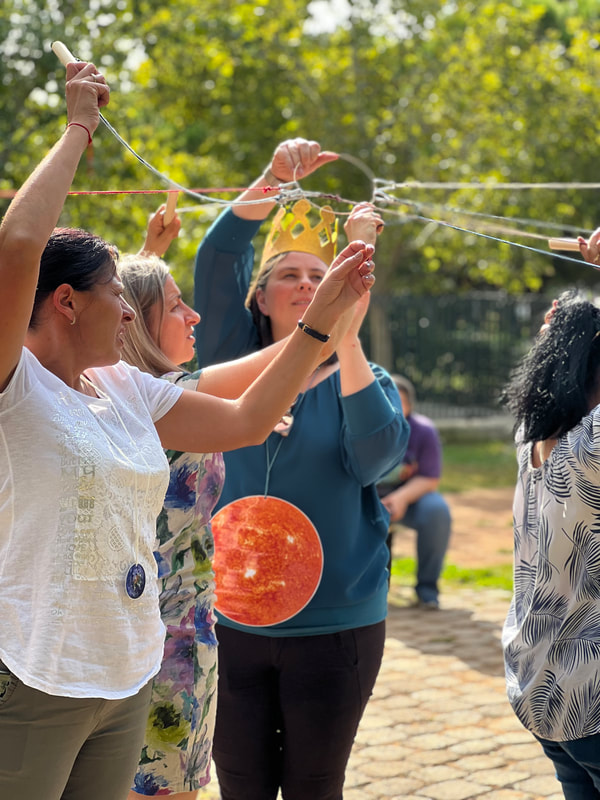
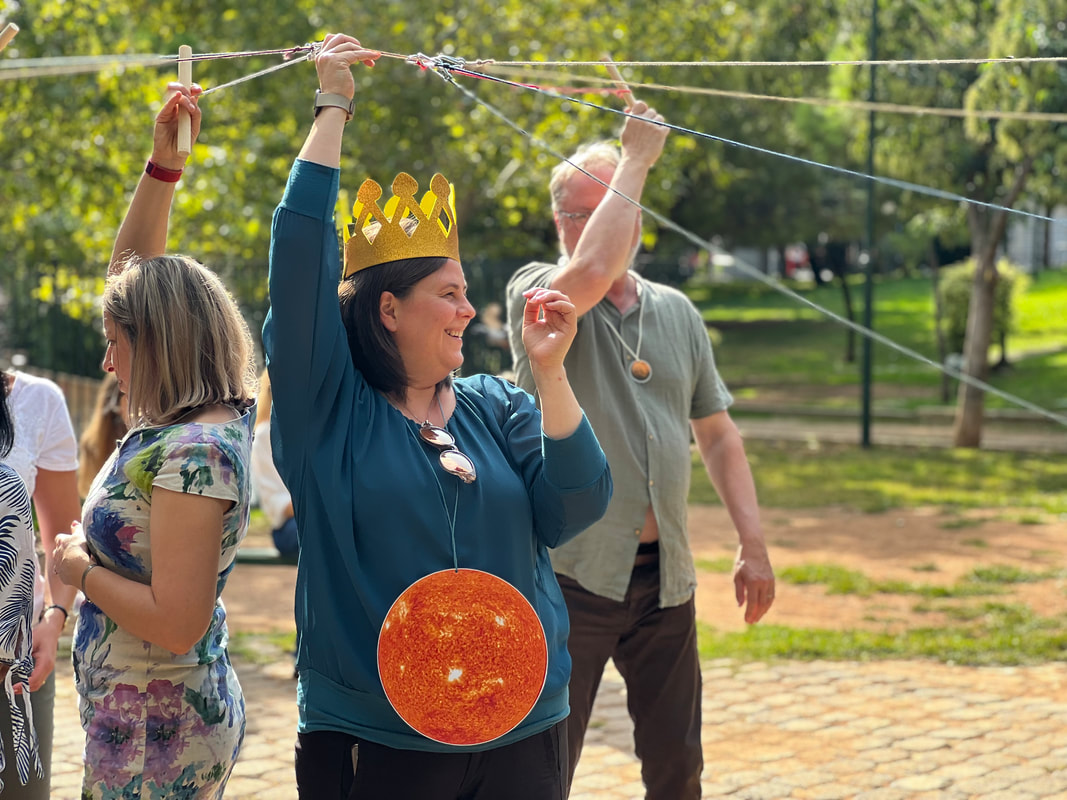
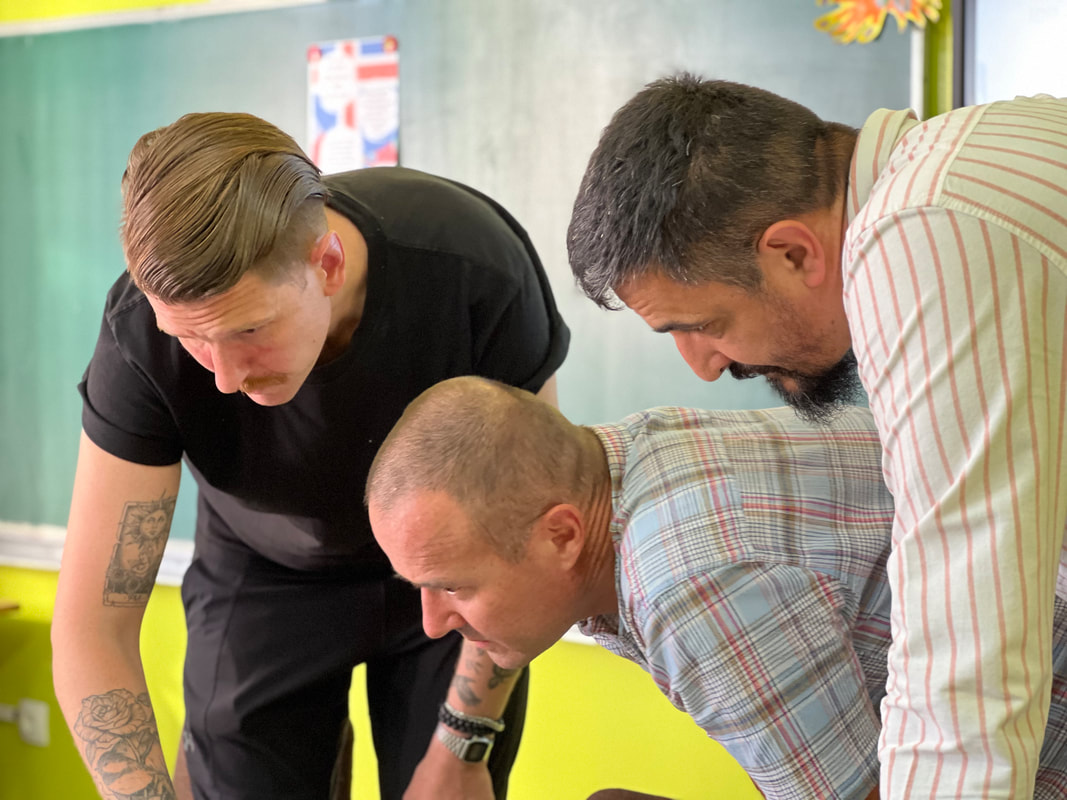
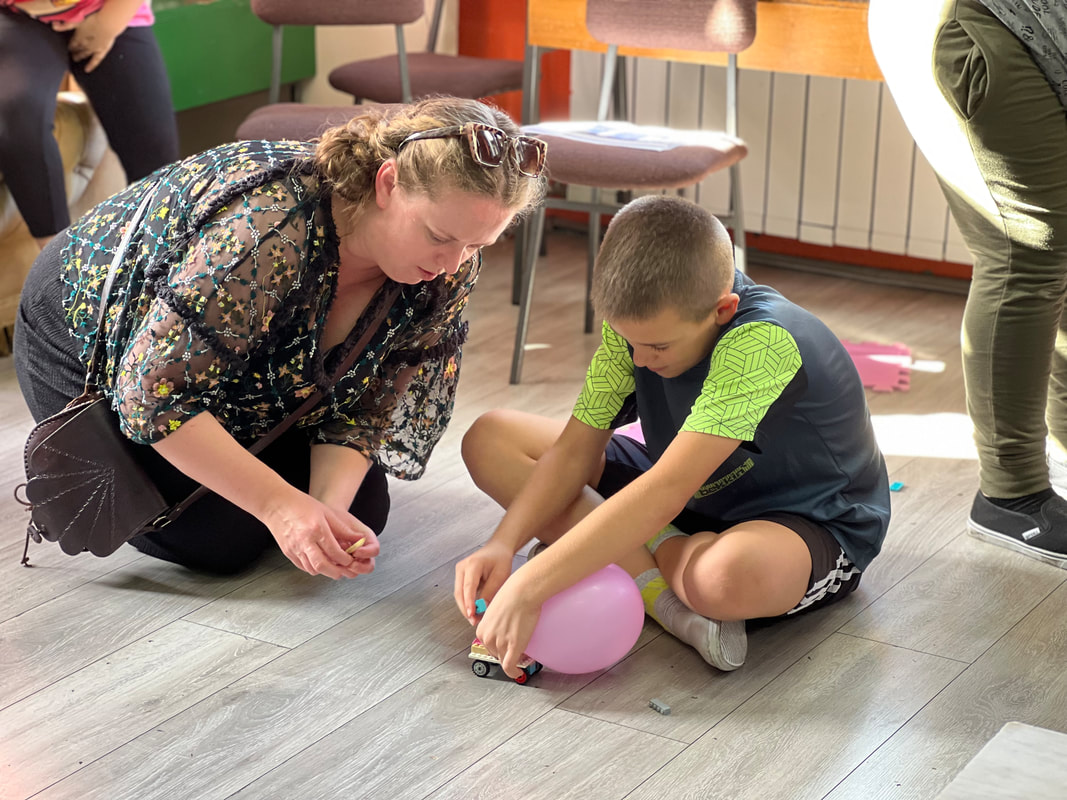
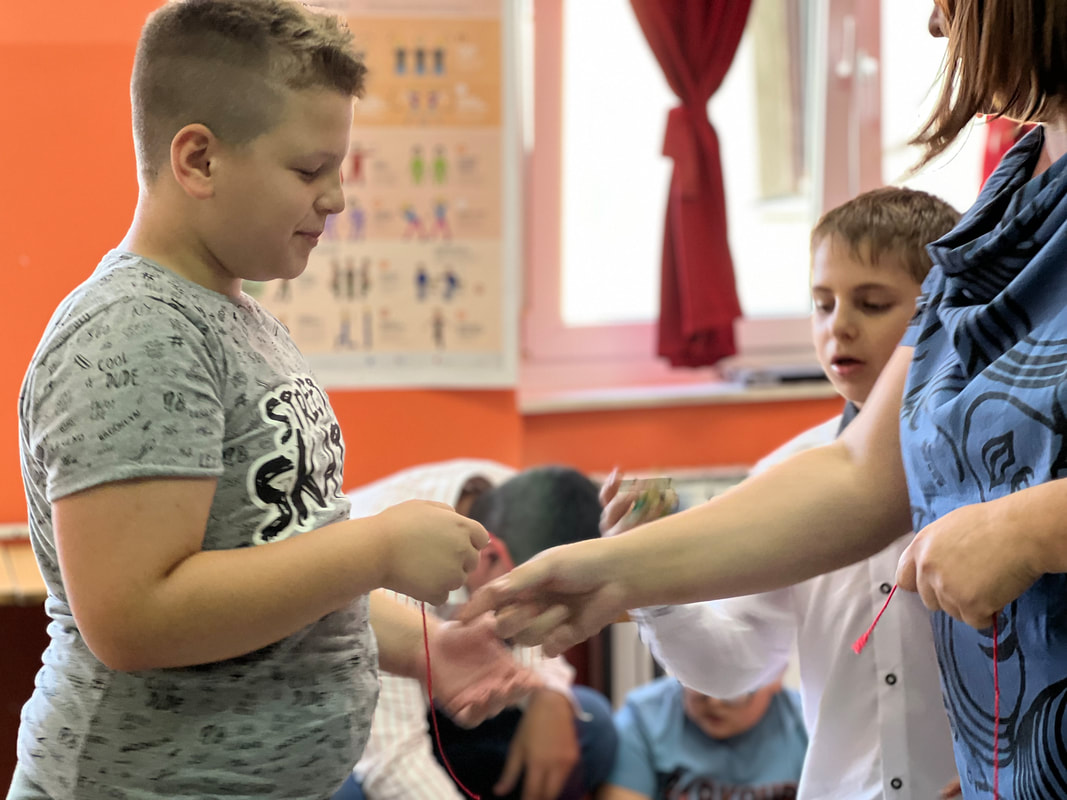
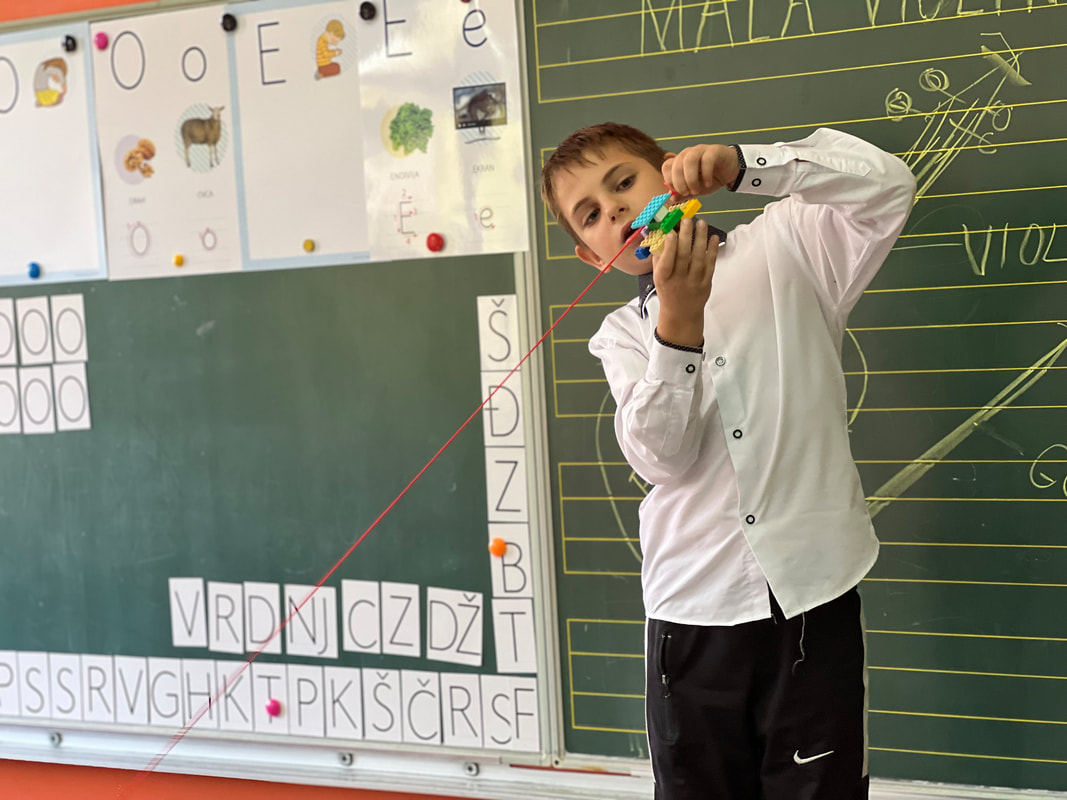
GeoCamp Iceland partners the Nordplus Junior “Digitalisation vs. Nature” project — a two-year initiative running from August 2025 to July 2027. The project brings together schools and organisations from Latvia, Lithuania, Estonia, Finland, and Iceland, united by a common concern: how to counterbalance the growing dominance of digital environments in the lives of young people.
Project aim The project directly addresses the risks of excessive screen time, which can harm mental health, social development, and physical well-being. By reconnecting students with nature and integrating seasonal outdoor learning into STEAM education, the project seeks to promote healthier, more balanced lifestyles. The guiding idea is that technology should complement, not replace, the natural environments where students can grow, explore, and learn together. Planned results Over the course of four mobility visits across the partner countries, teachers and students will explore how STEAM subjects can be taught outside the classroom in autumn, winter, spring, and summer. From tracking wildlife in Estonian forests to exploring the physics of ice and snow in Finland, each exchange highlights the value of learning through real-world environments. The outcomes will be gathered into a comprehensive handbook offering adaptable teaching materials and inclusive guidelines, ensuring that the methods developed can benefit a wide range of schools and students, including those with special needs. The project also places strong emphasis on teacher development, equipping educators with practical approaches to sustainability, climate awareness, and creative outdoor pedagogy. Partnership The project is coordinated by Valmiera Gaujas krasta Secondary School – Development Centre in Latvia, with partners including GeoCamp Iceland, Porkuni Special School in Estonia, Pasvalys Riešuto School in Lithuania, and Villa School in Finland. Together, these institutions represent a diverse educational network, ranging from special needs schools to outdoor learning organisations, creating a rich foundation for exchange and collaboration. GeoCamp Iceland’s role As the Icelandic partner, GeoCamp Iceland plays a central role in shaping the educational content and pedagogical innovation. We will host the first mobility visit in October 2025, laying the conceptual groundwork for the rest of the project. Our contribution includes developing the framework for digital detox and nature-based education, sharing expertise in sustainability and climate science, and supporting the creation of the project handbook. With our strong background in field-based learning, we aim to ensure that the project is firmly rooted in real-world geoscience and hands-on educational practice. By the end of the project, the partnership will have created not only practical teaching resources but also a stronger culture of international cooperation. For GeoCamp Iceland, this is an opportunity to share our methods in outdoor learning while gaining valuable new perspectives from colleagues across the Nordic-Baltic region. This August marks the launch of an new project under Nordplus Horizontal “Empowering Educators: Nordic Geoparks as Cross-Sectoral Hubs for Lifelong Learning”, led by Reykjanes UNESCO Global Geopark in Iceland and partnerd by geoparks in all Nordic countries as well as GeoCamp Iceland. The two-year project, running from August 2025 to August 2027, brings together UNESCO Global Geoparks across the Nordic region to strengthen teacher resources in outdoor education and to further develop geoparks as living classrooms. A Nordic partnership for education and sustainability The project is coordinated by Reykjanes UNESCO Global Geopark in Iceland, with formal partners including Odsherred (Denmark), Platåbergens (Sweden), Rokua (Finland), and Gea Norvegica (Norway) UNESCO Global Geoparks. Associated partners add further depth and expertise, among them the Balthazar Science Center in Sweden, the Suðurnes Science & Learning Centre, Gerðaskóli Primary School, and GeoCamp Iceland. Building skills for the future At the heart of the project is the aim to equip teachers with practical, place-based methods for climate, sustainability, and STREAM (Science, Technology, Reading, Engineering, Arts and Mathematics) education. Activities will include:
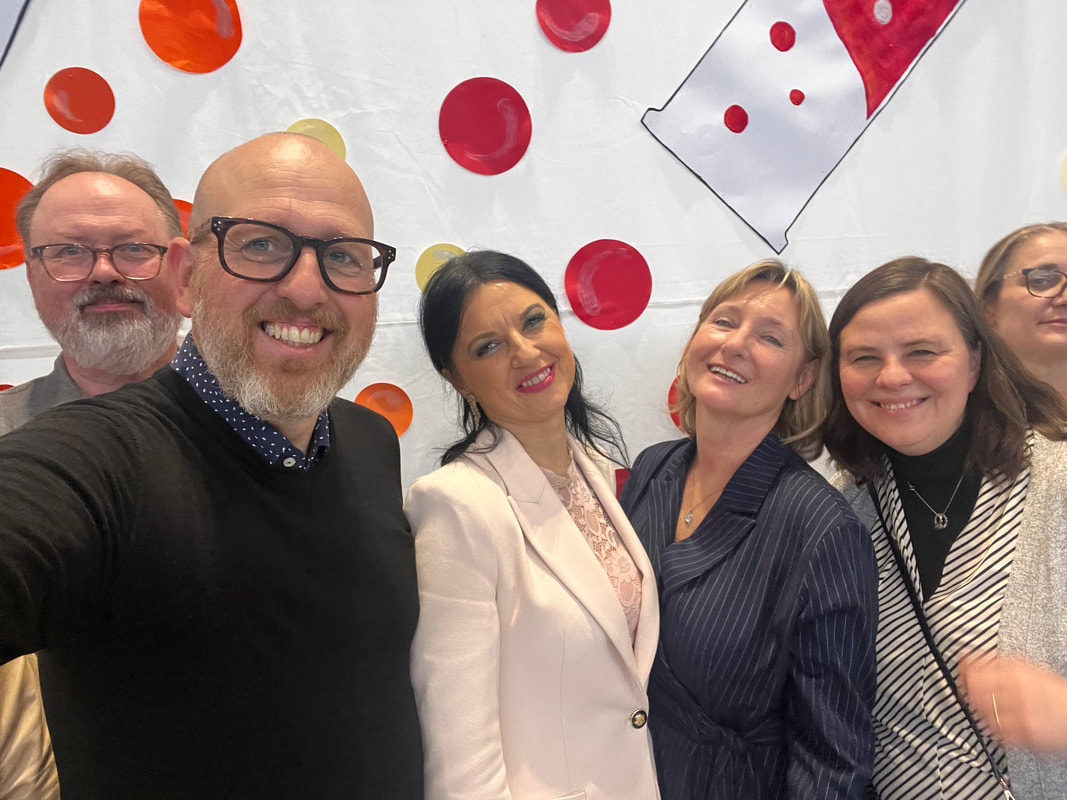
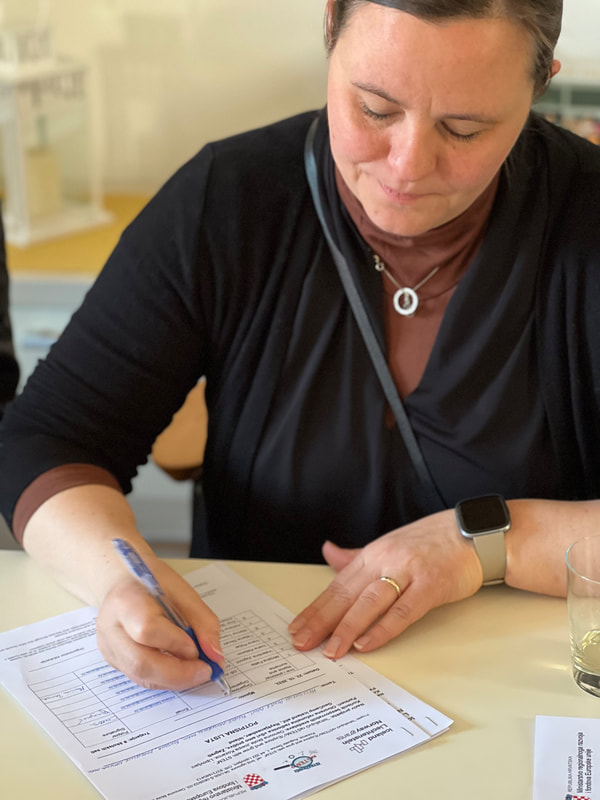
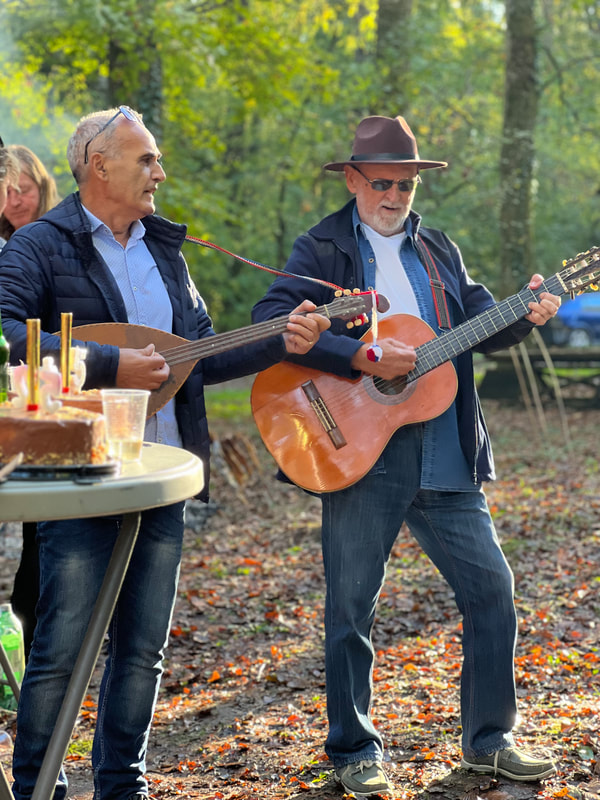
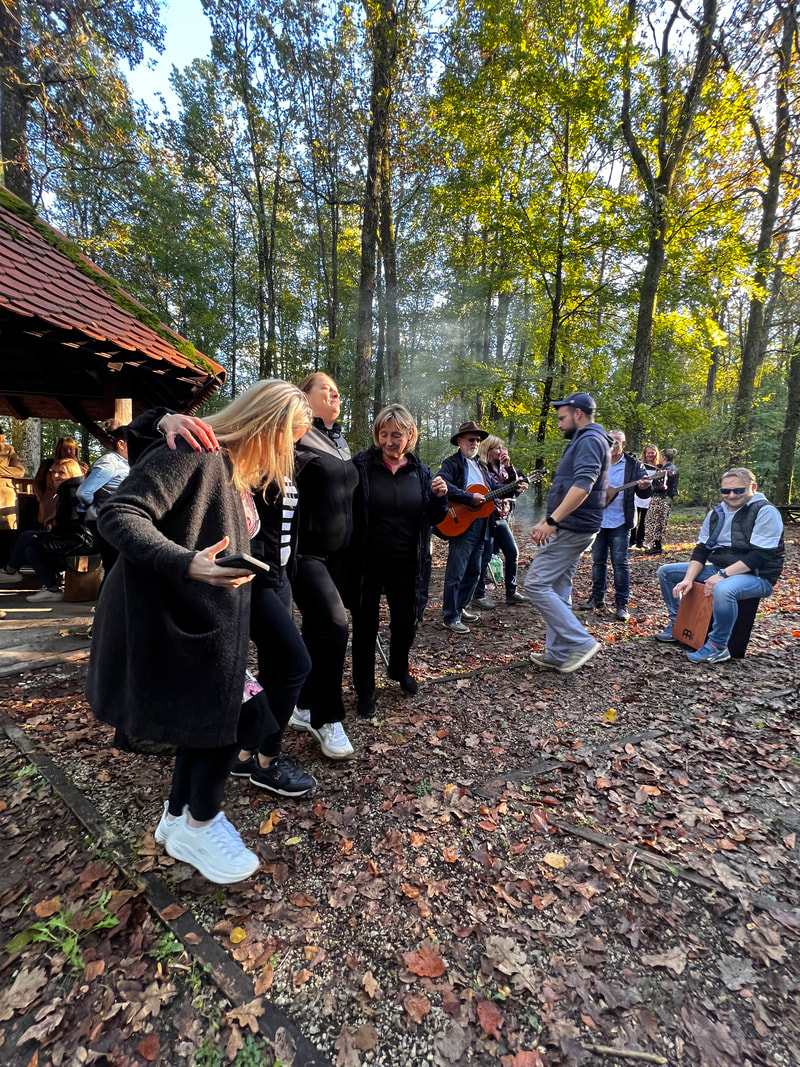
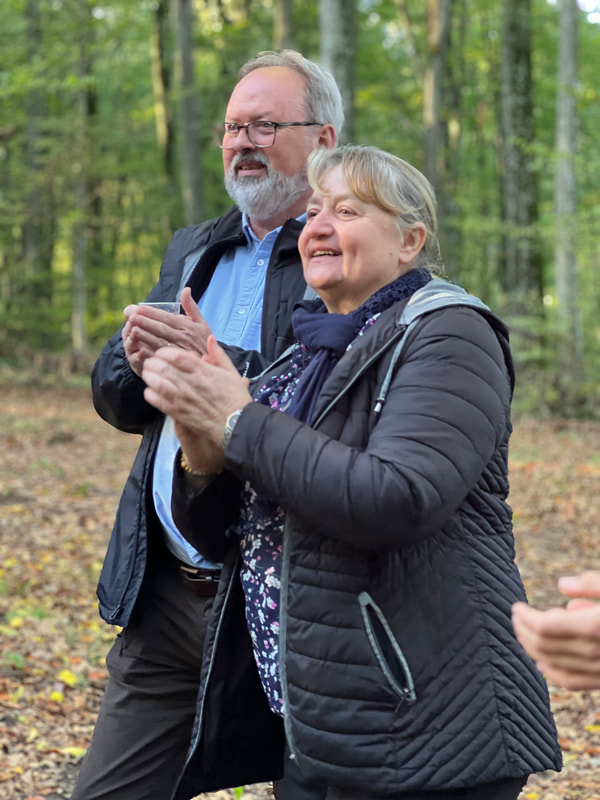
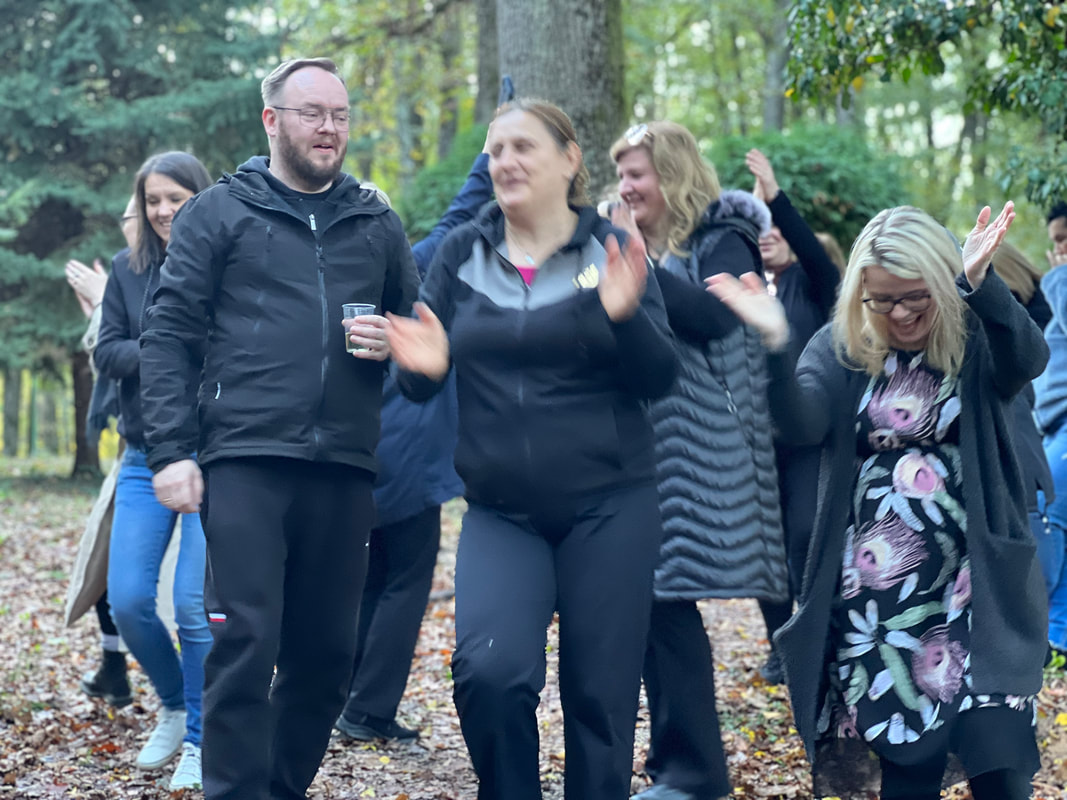
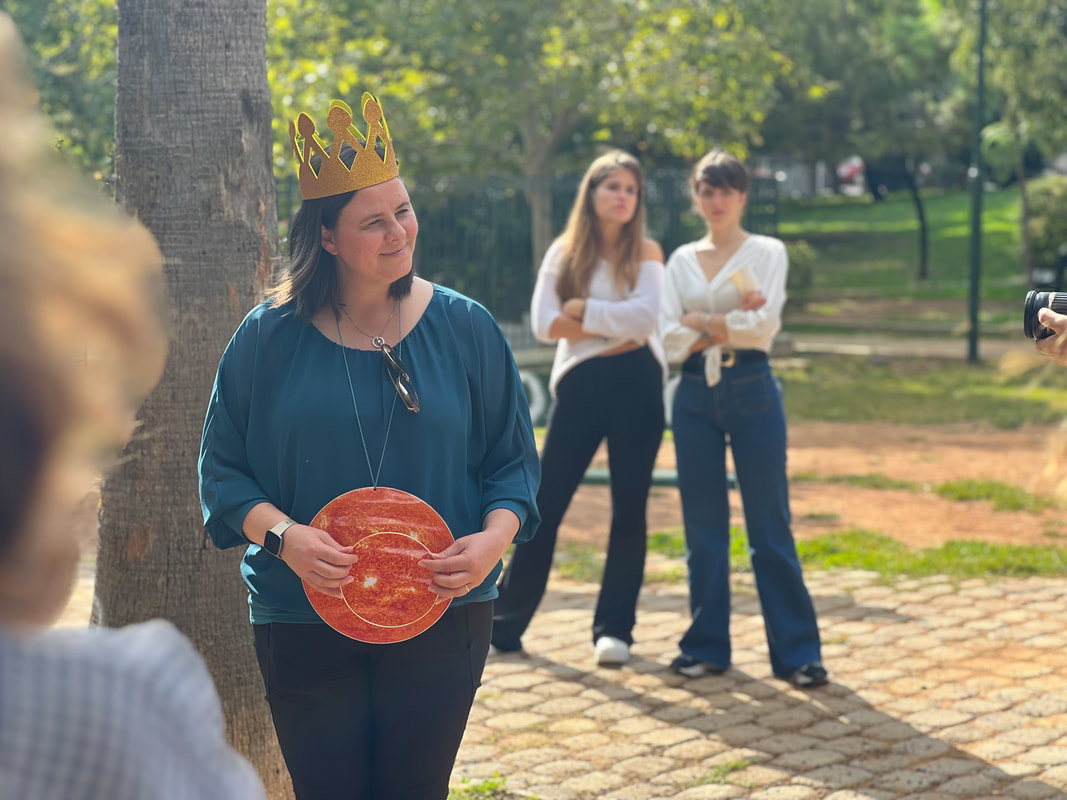
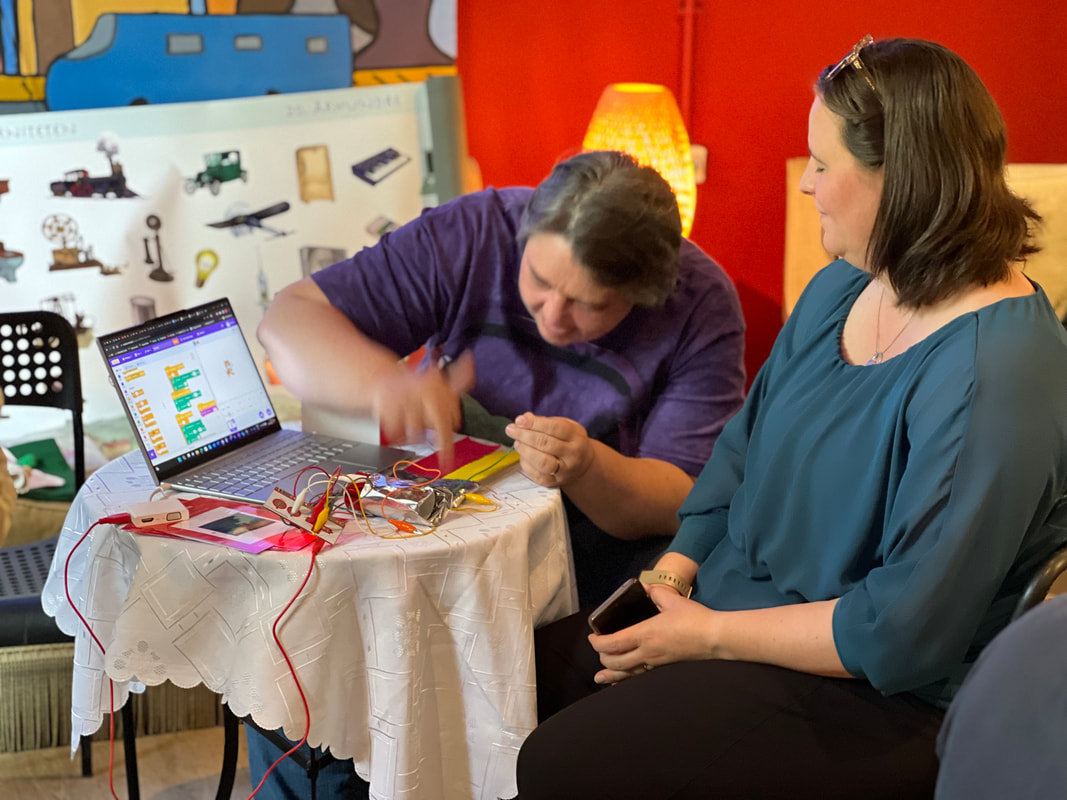
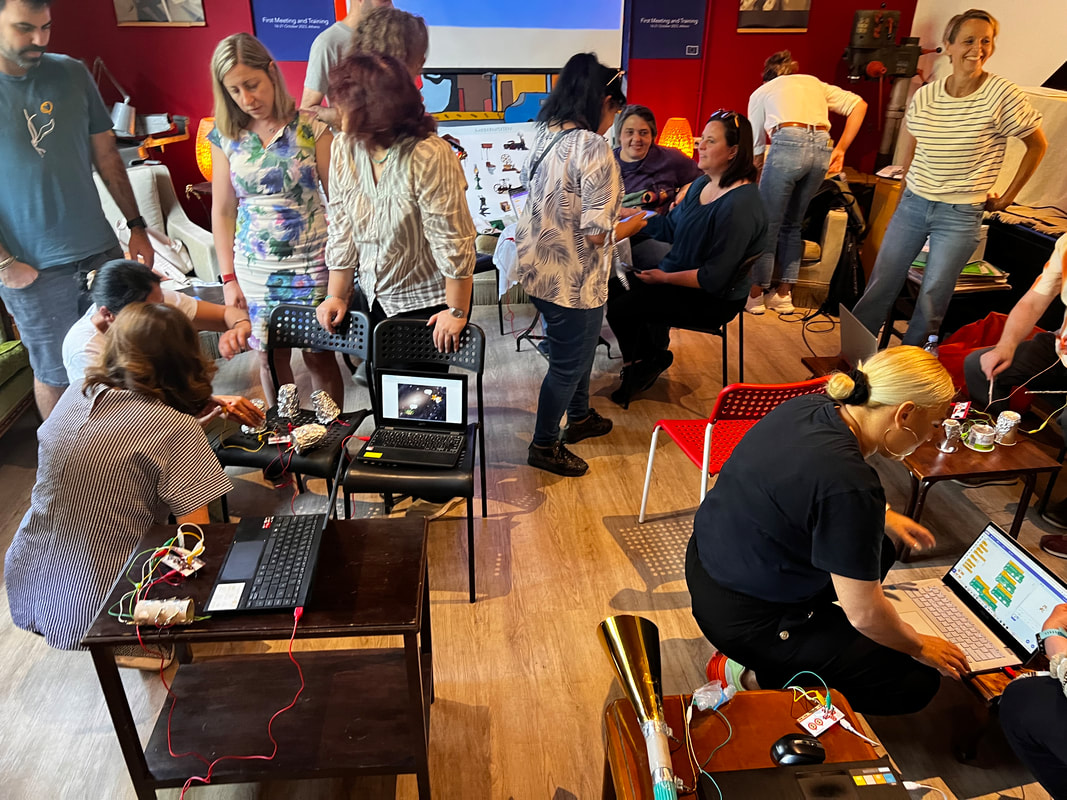
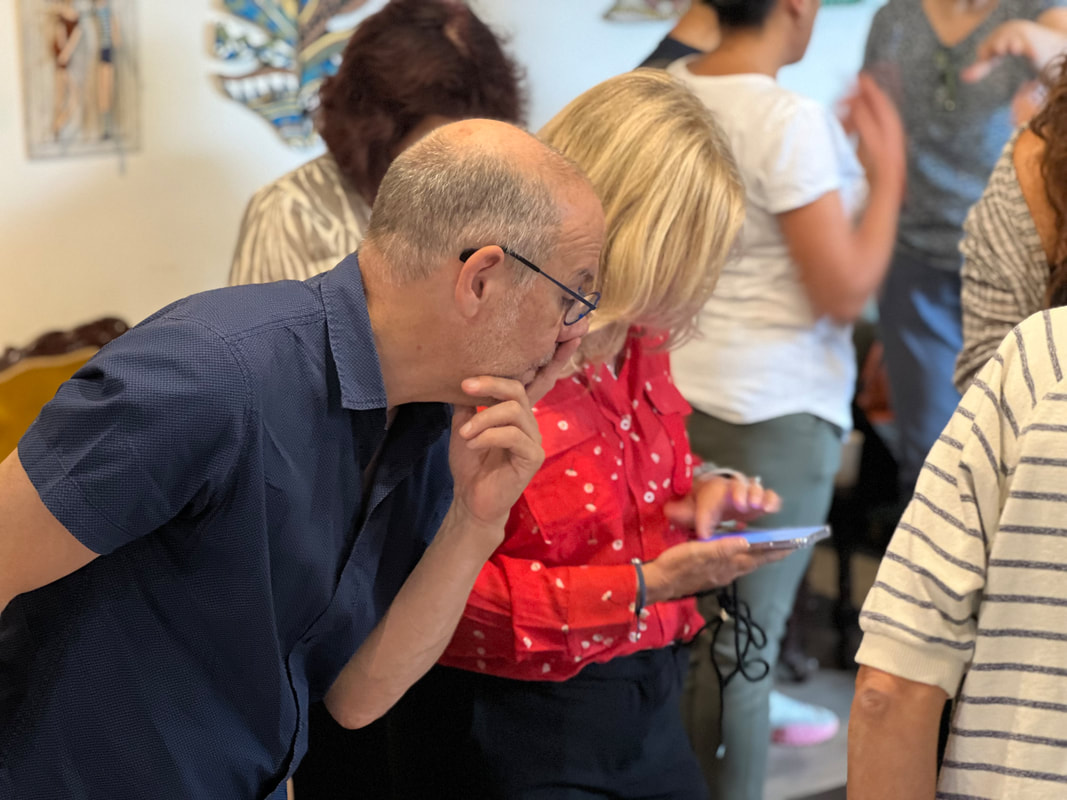
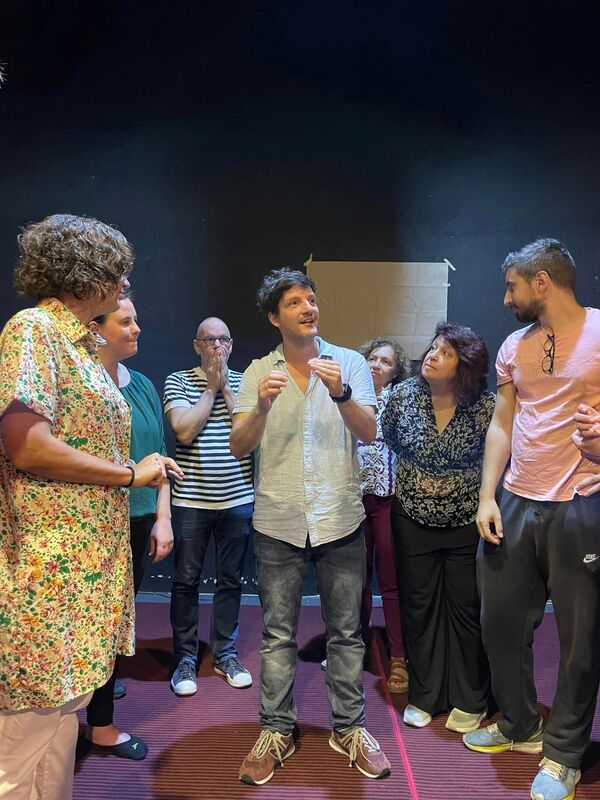
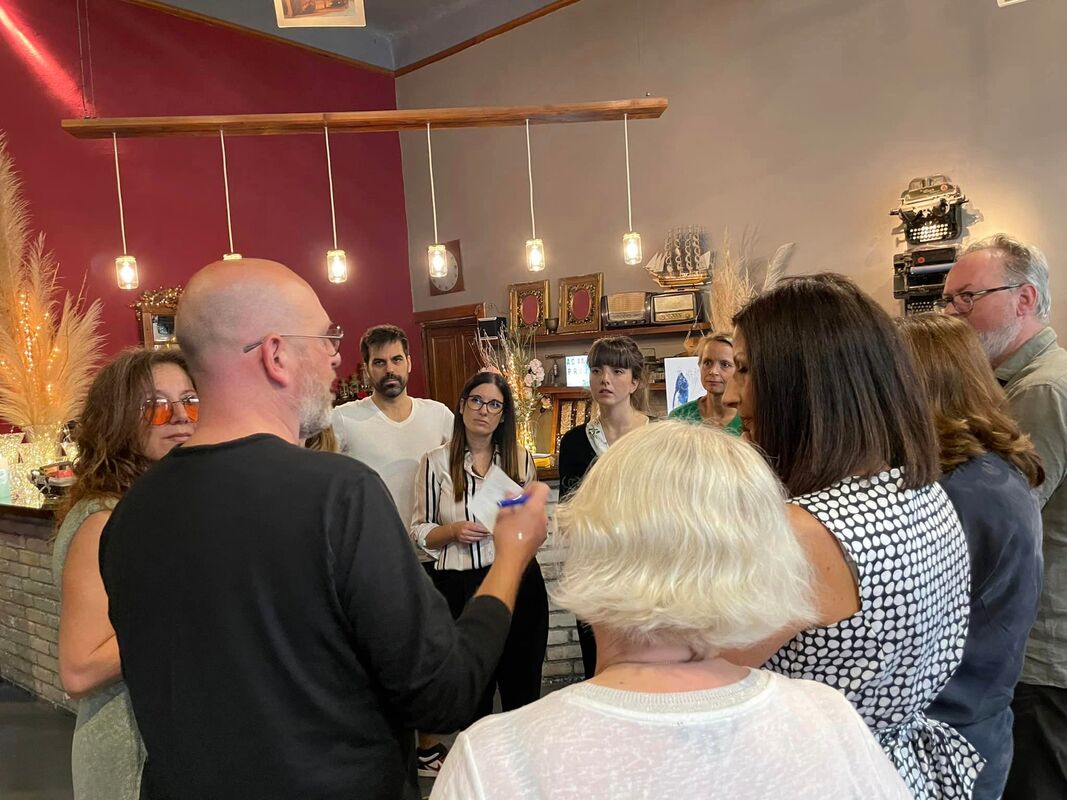
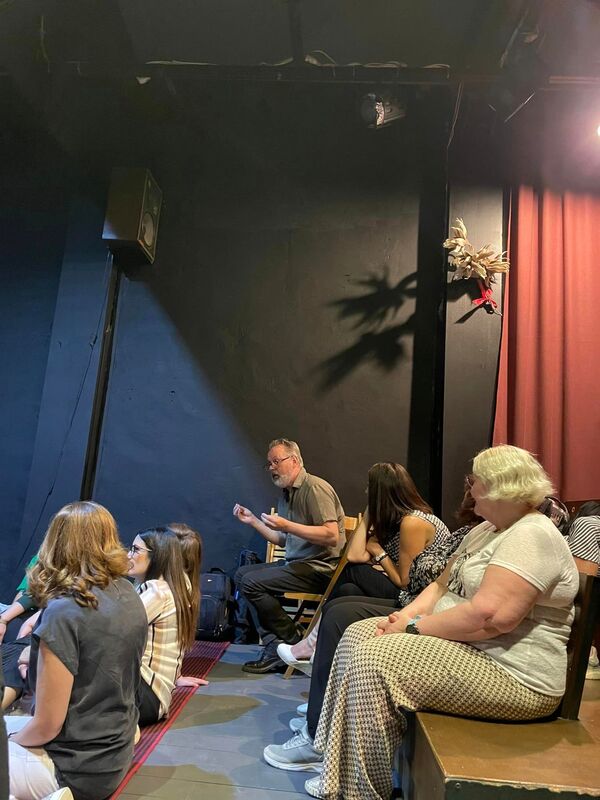
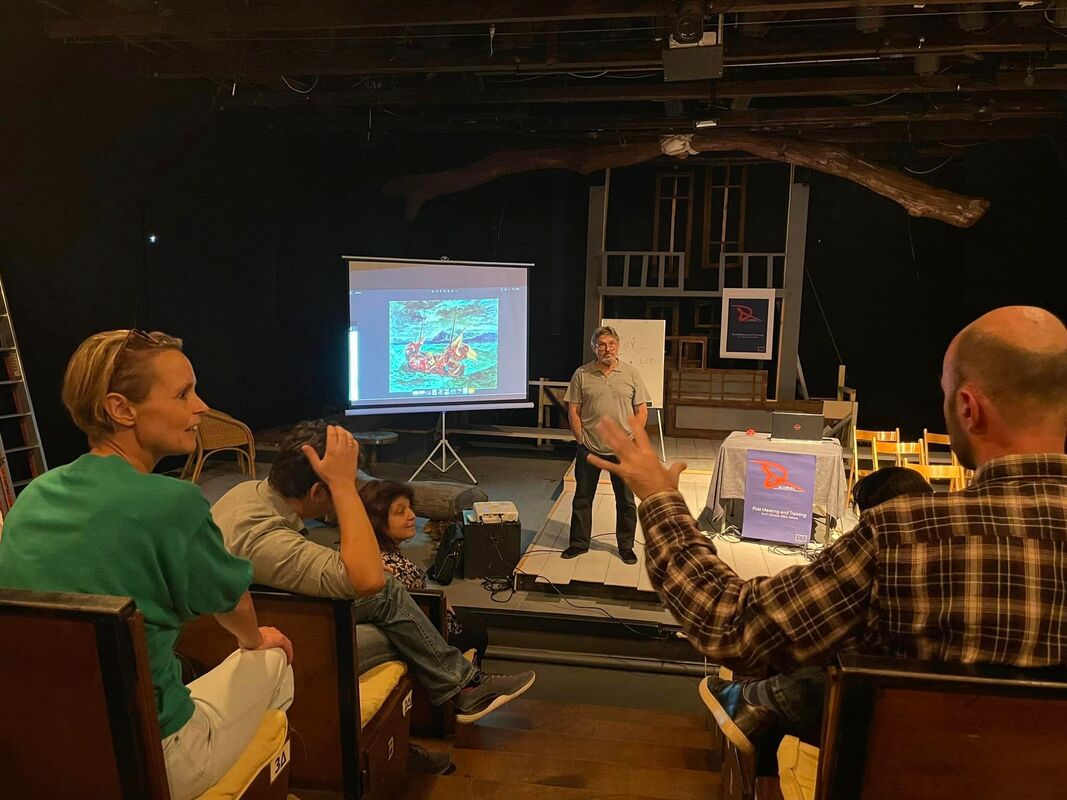
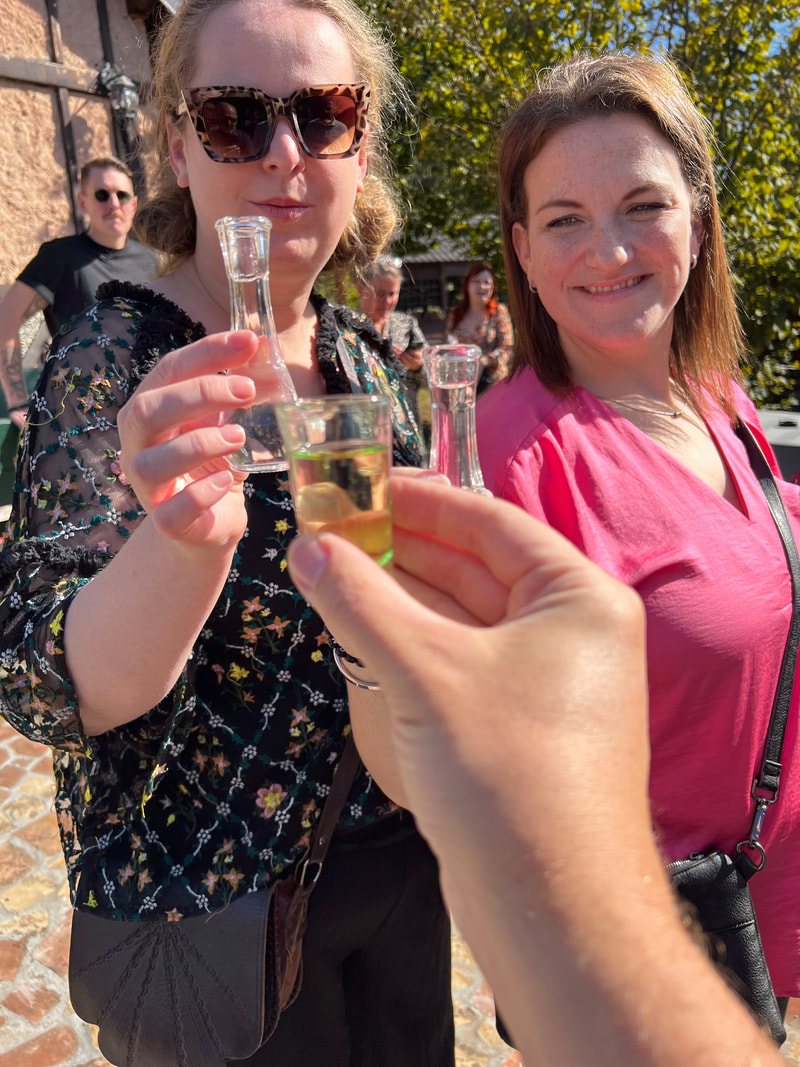
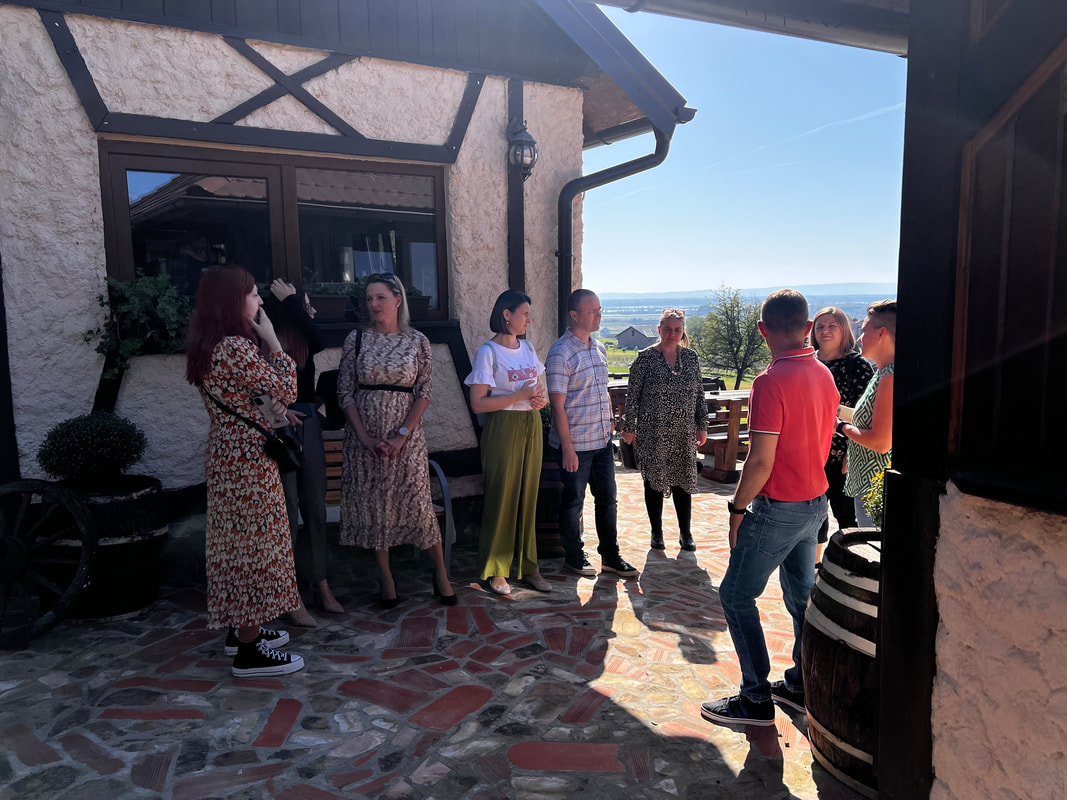
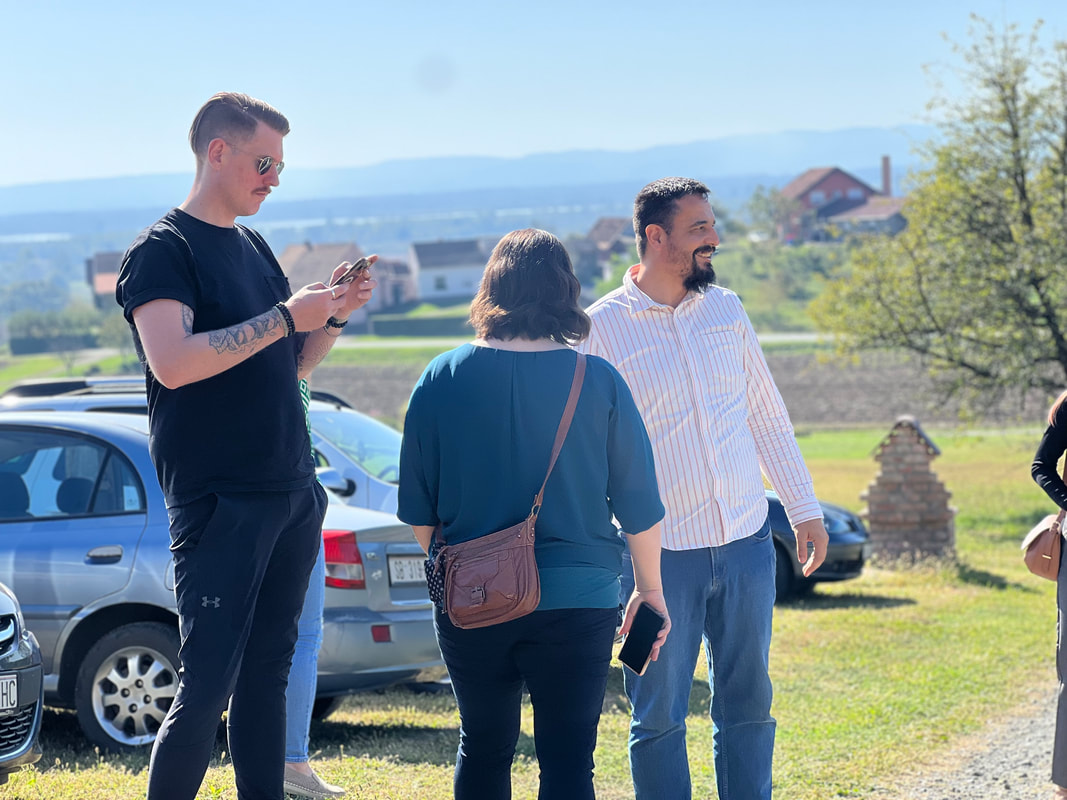
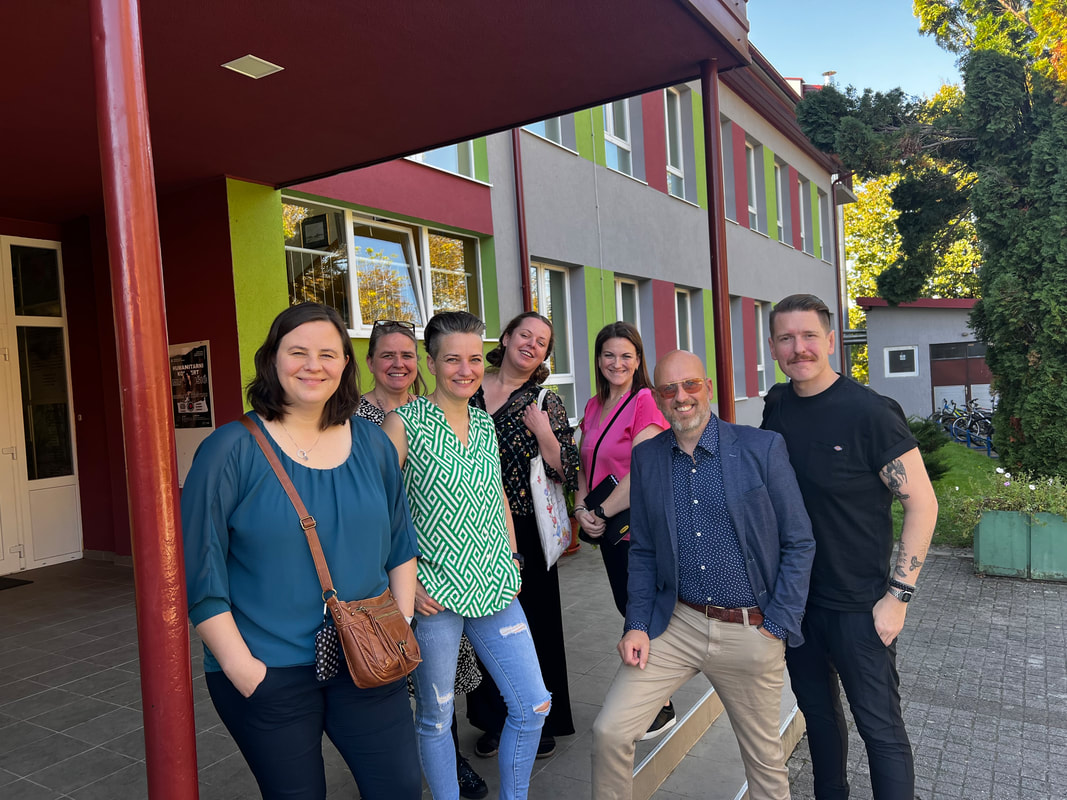
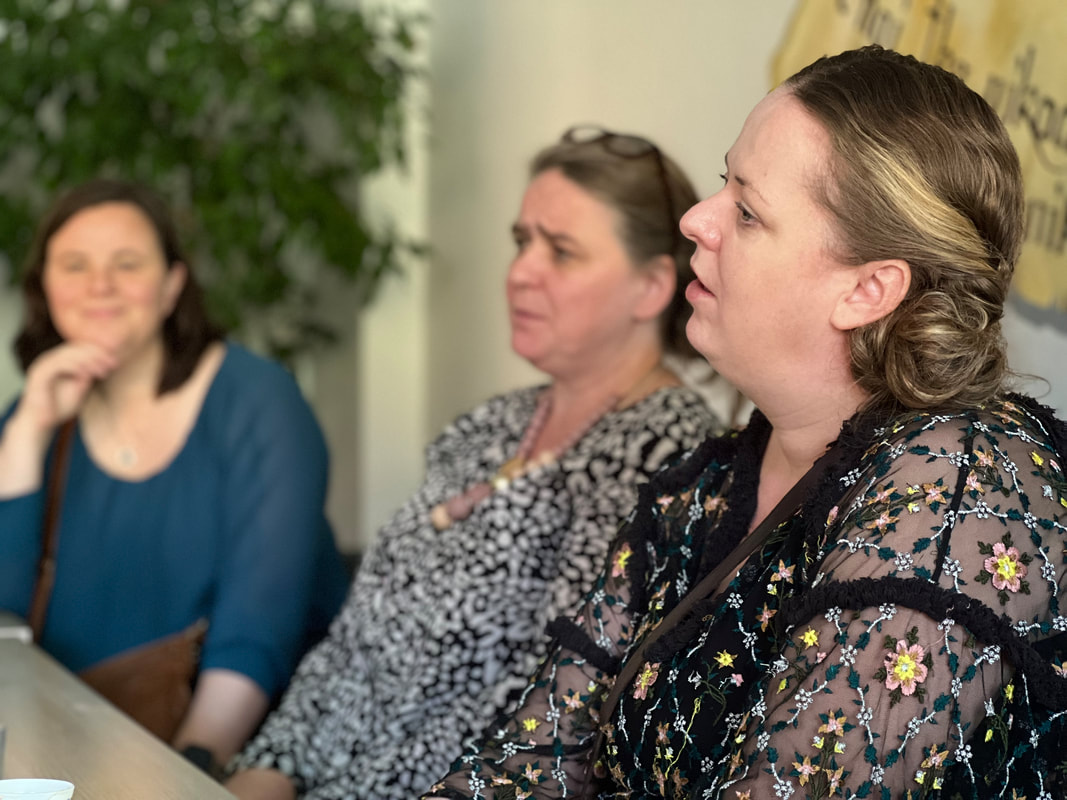
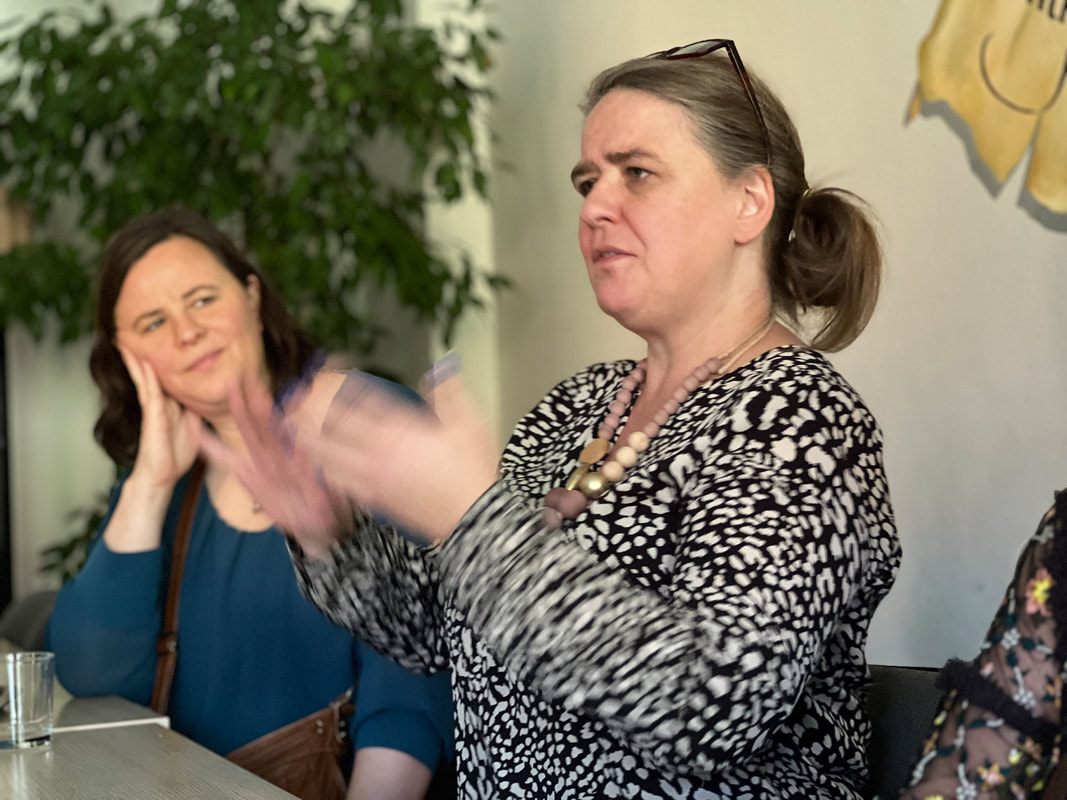
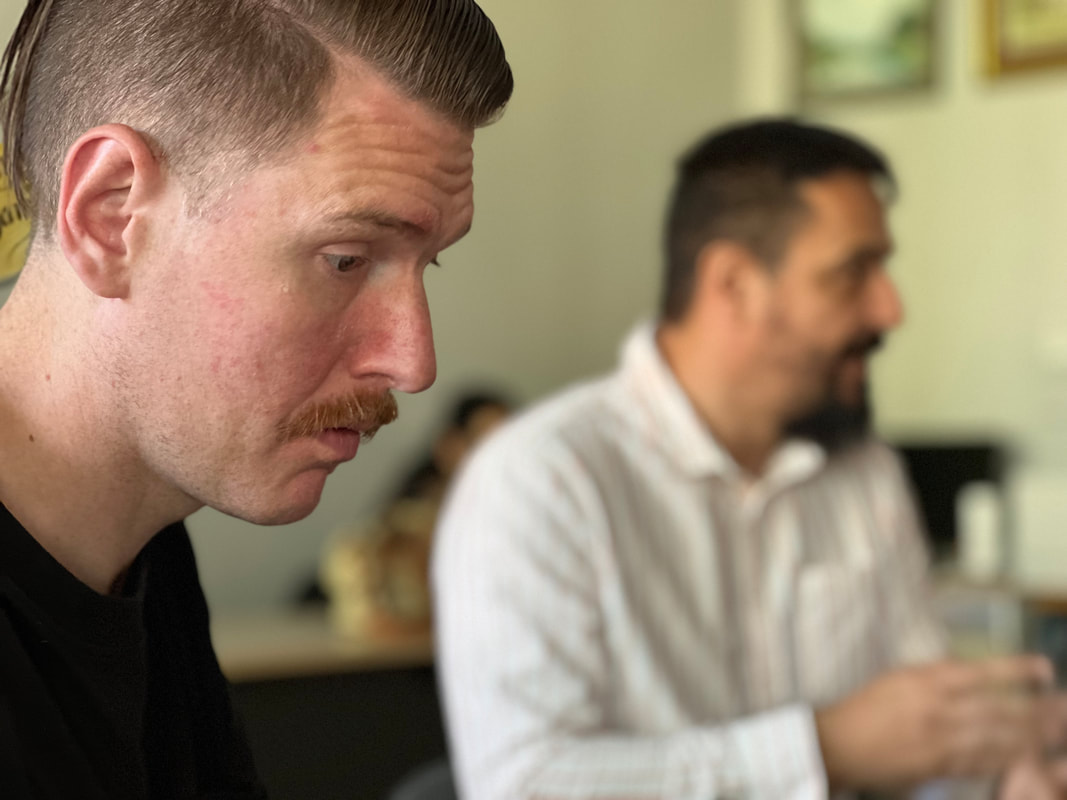
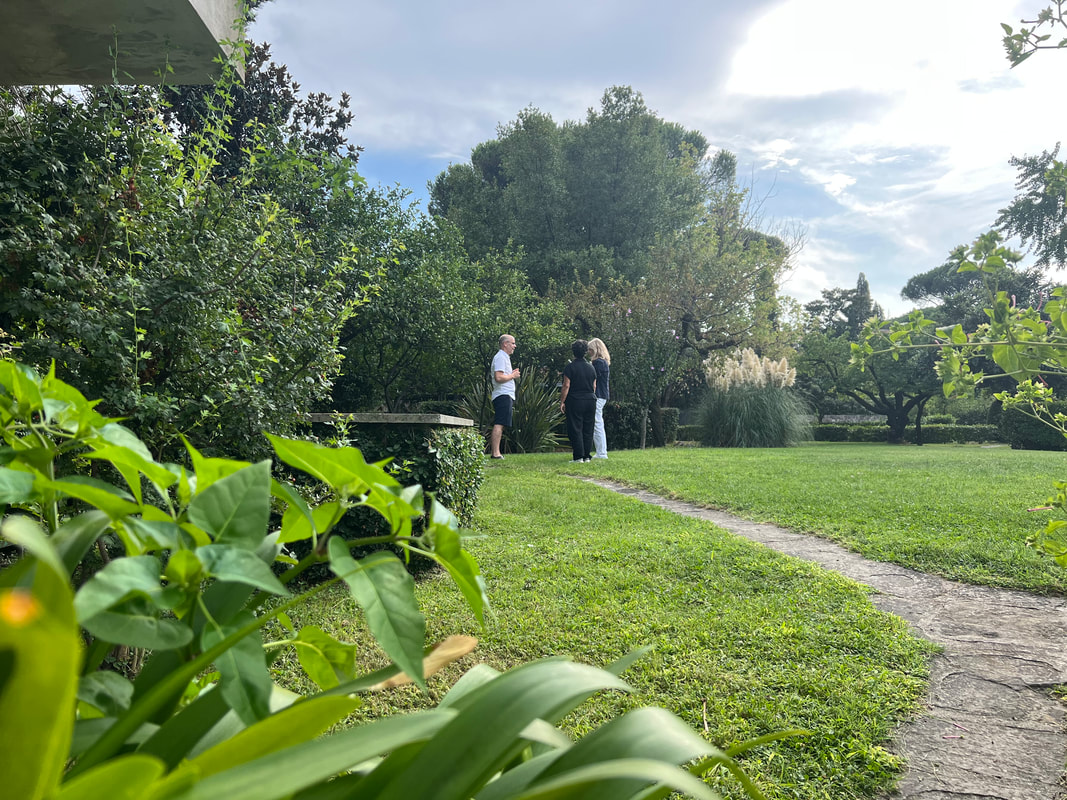
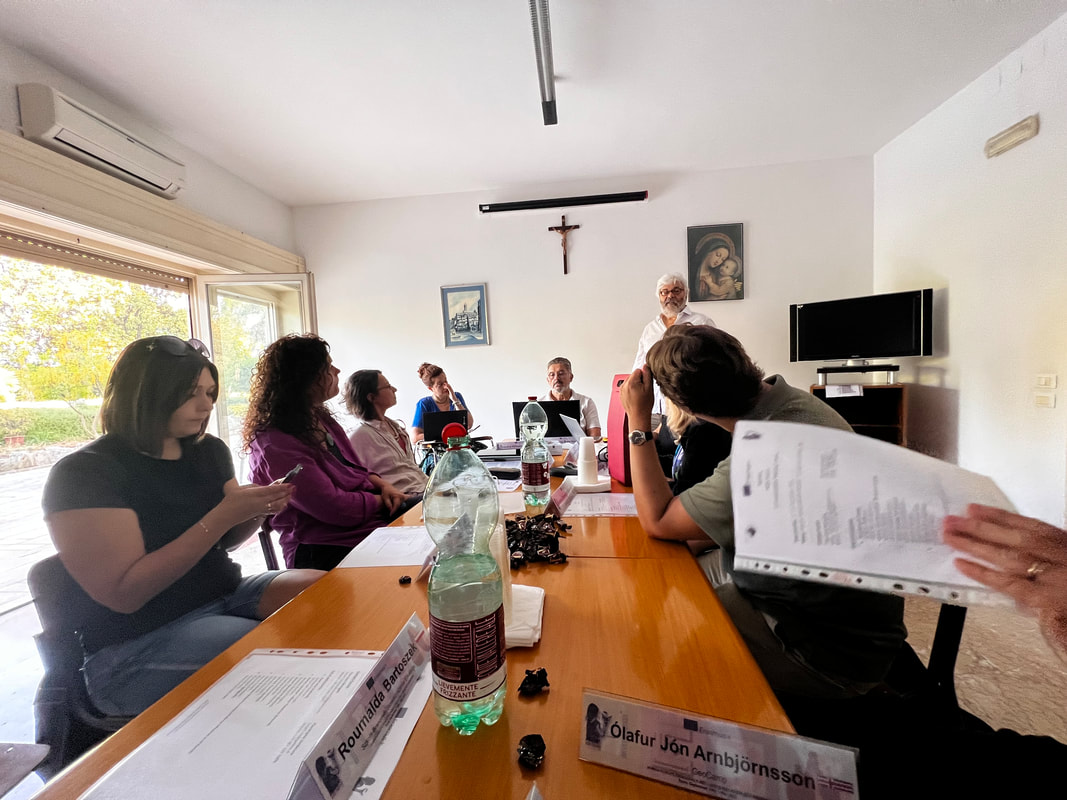
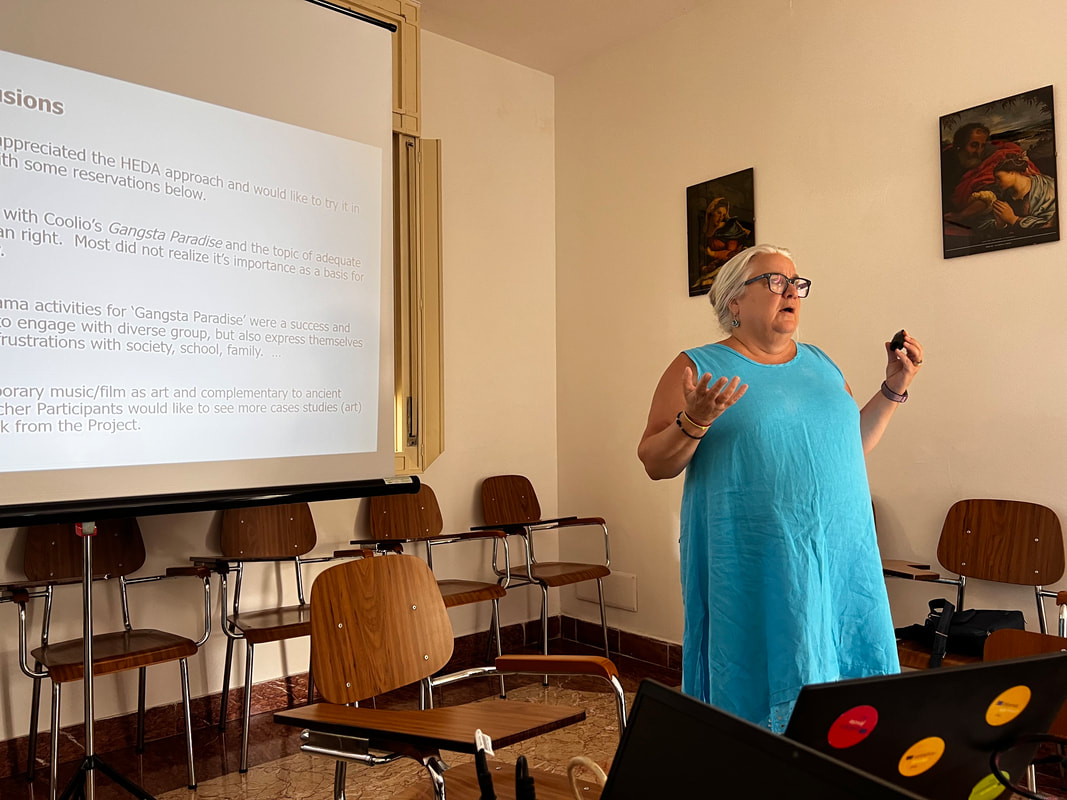
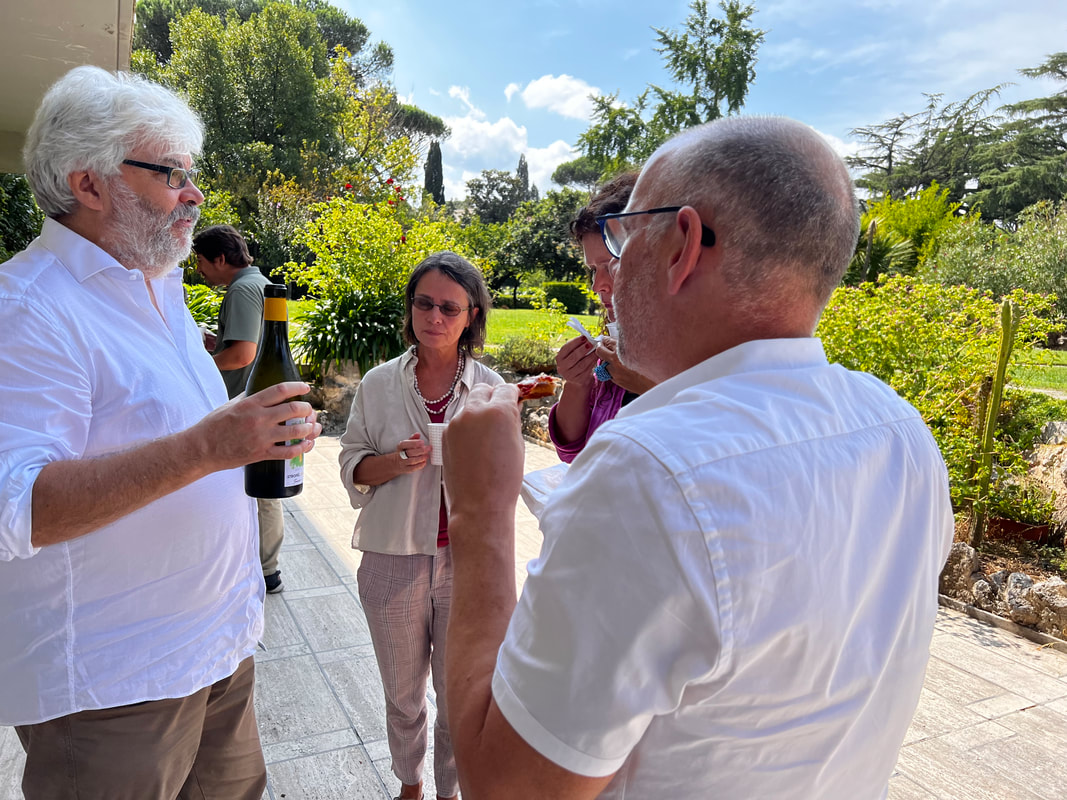
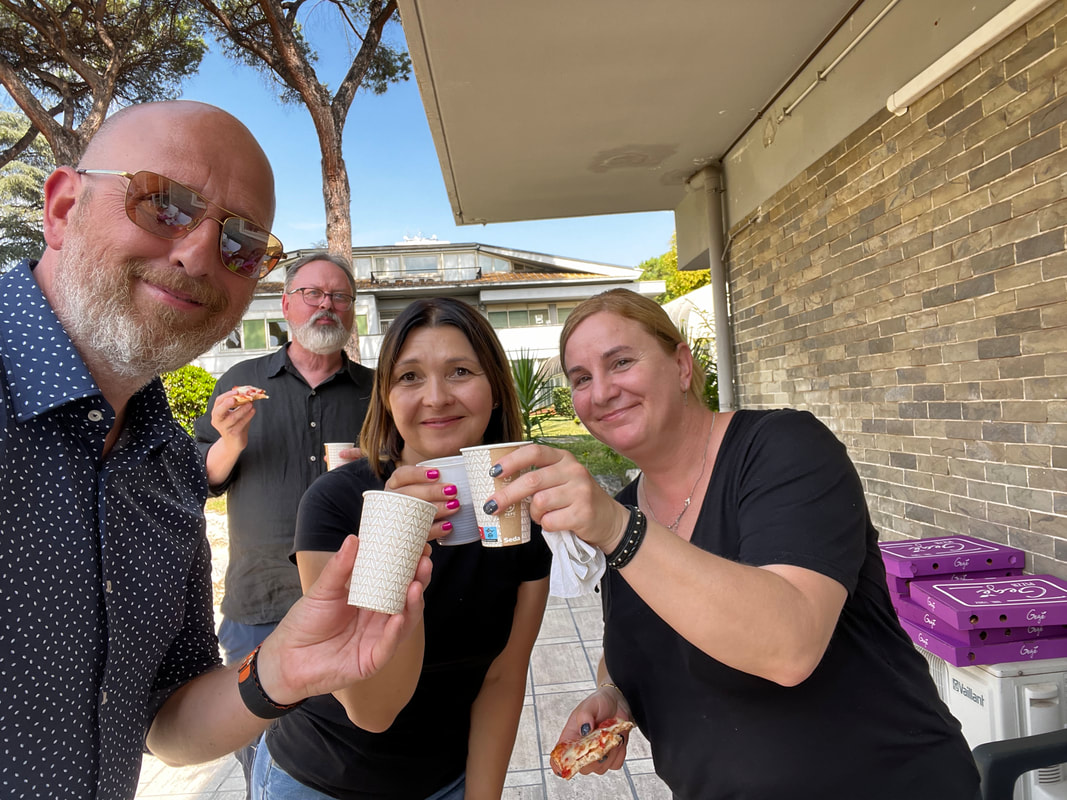
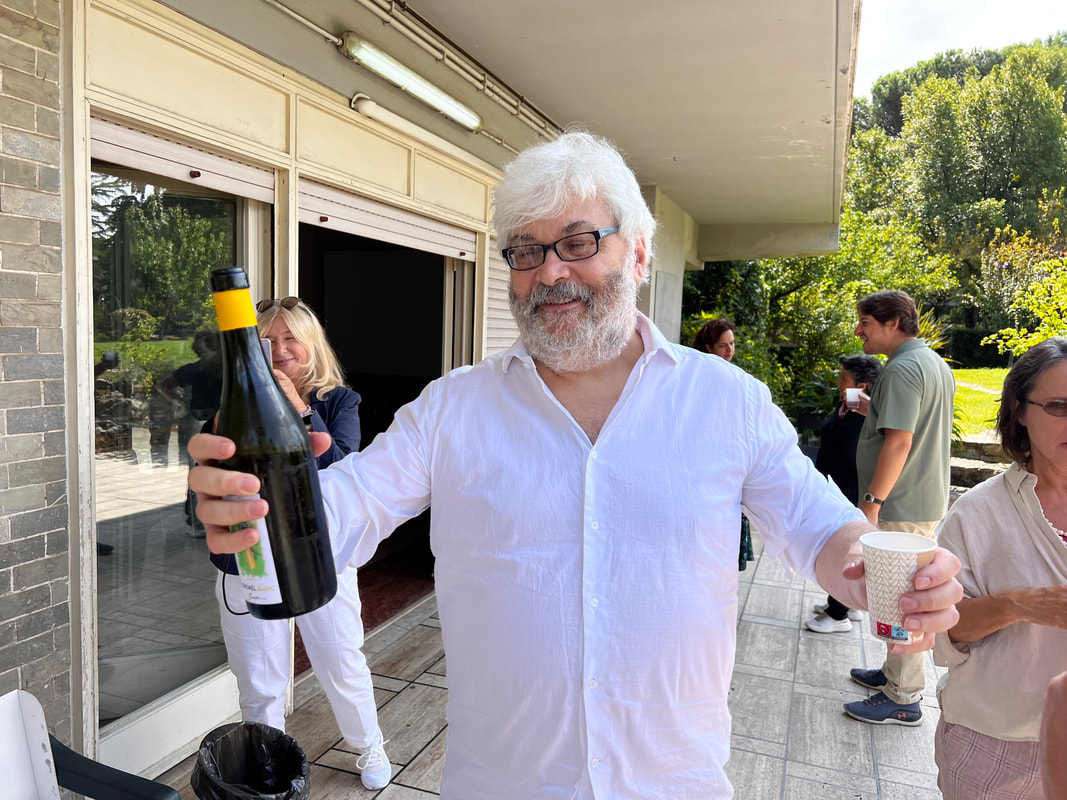
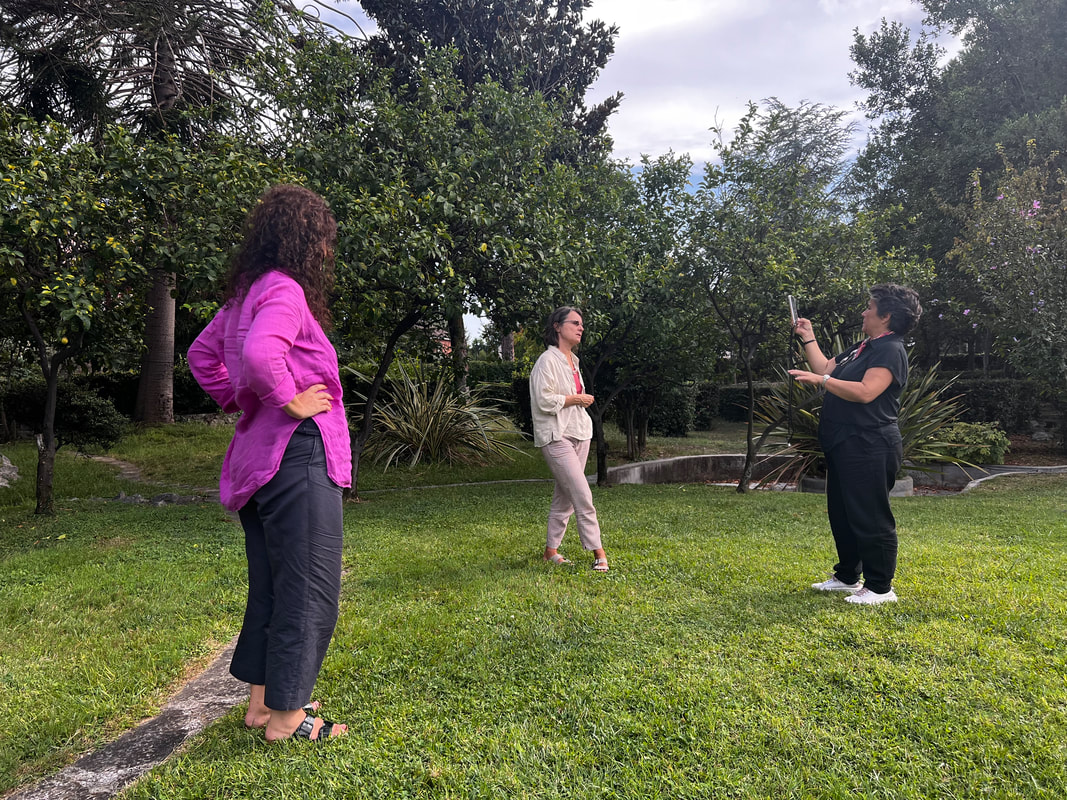
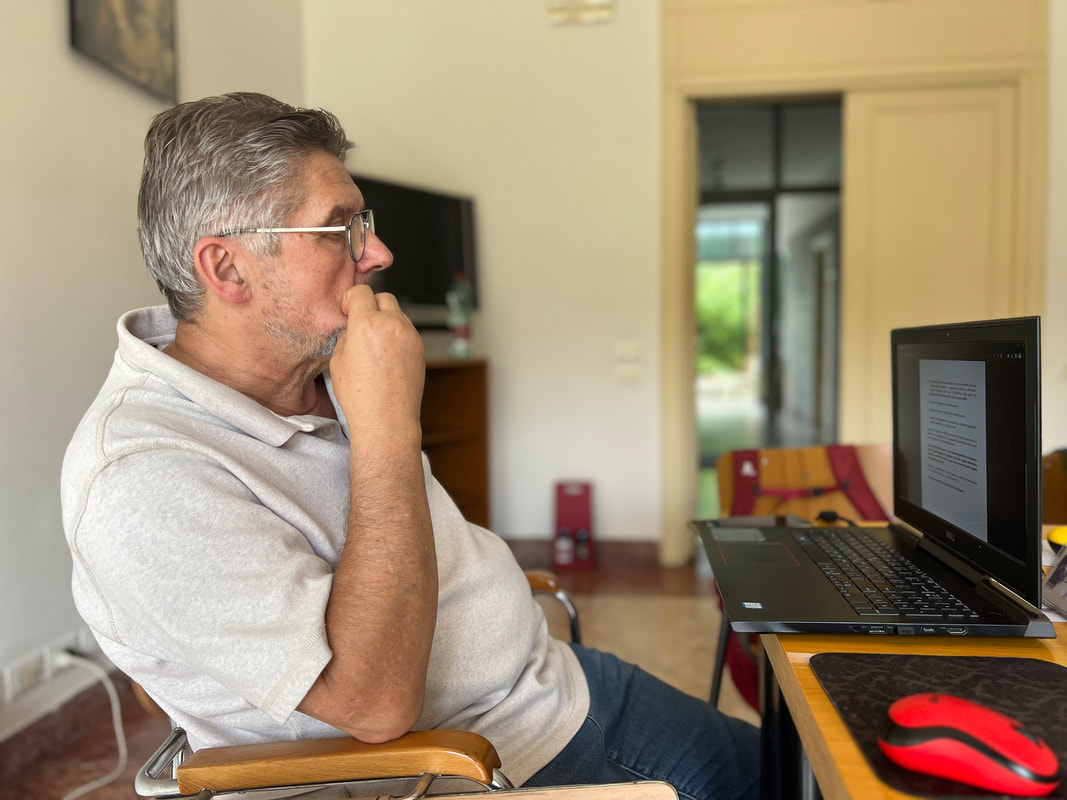
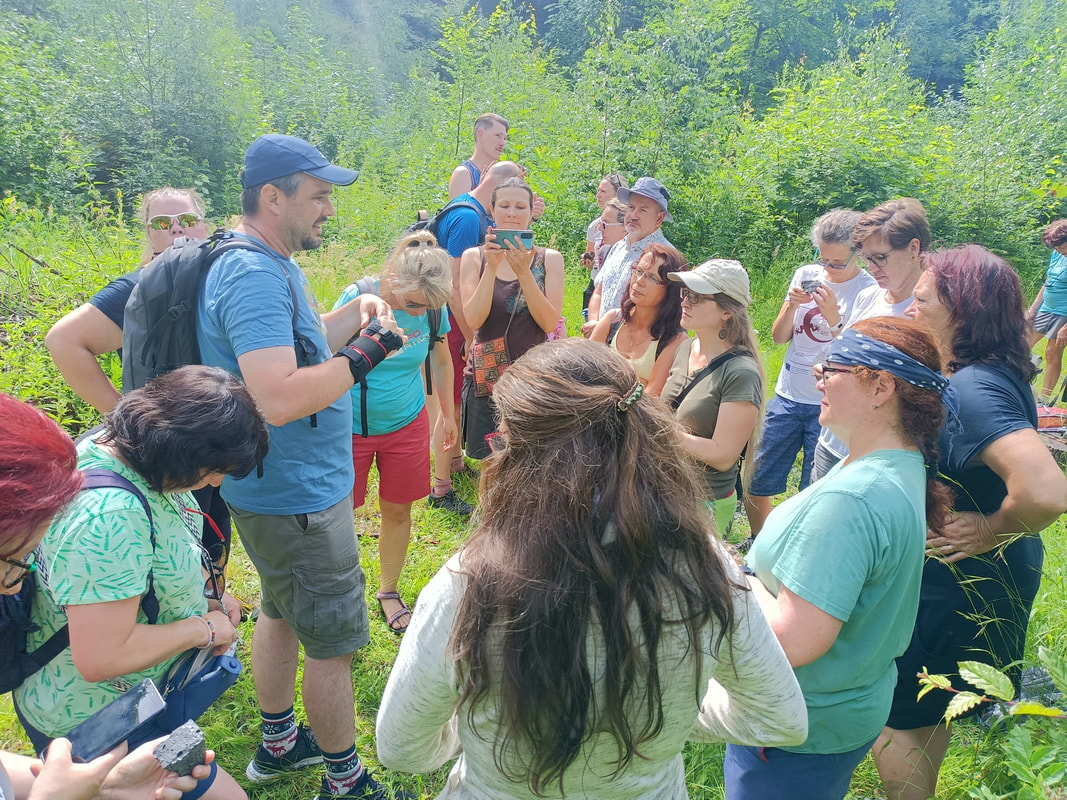
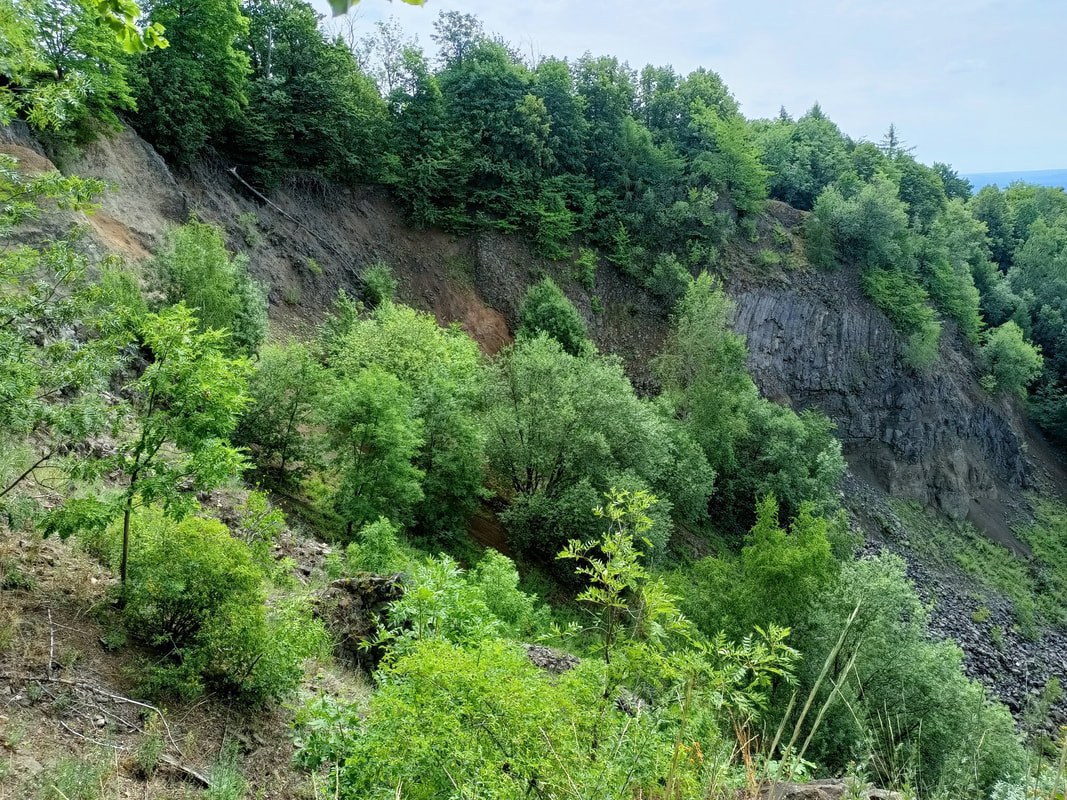
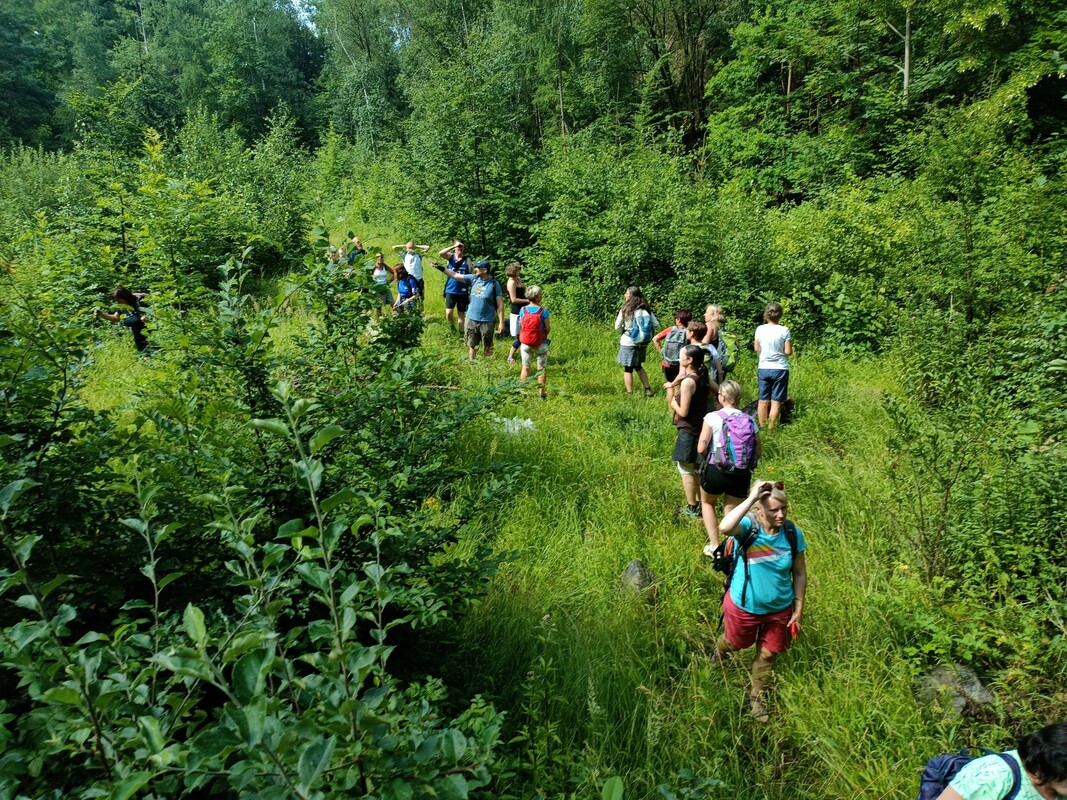
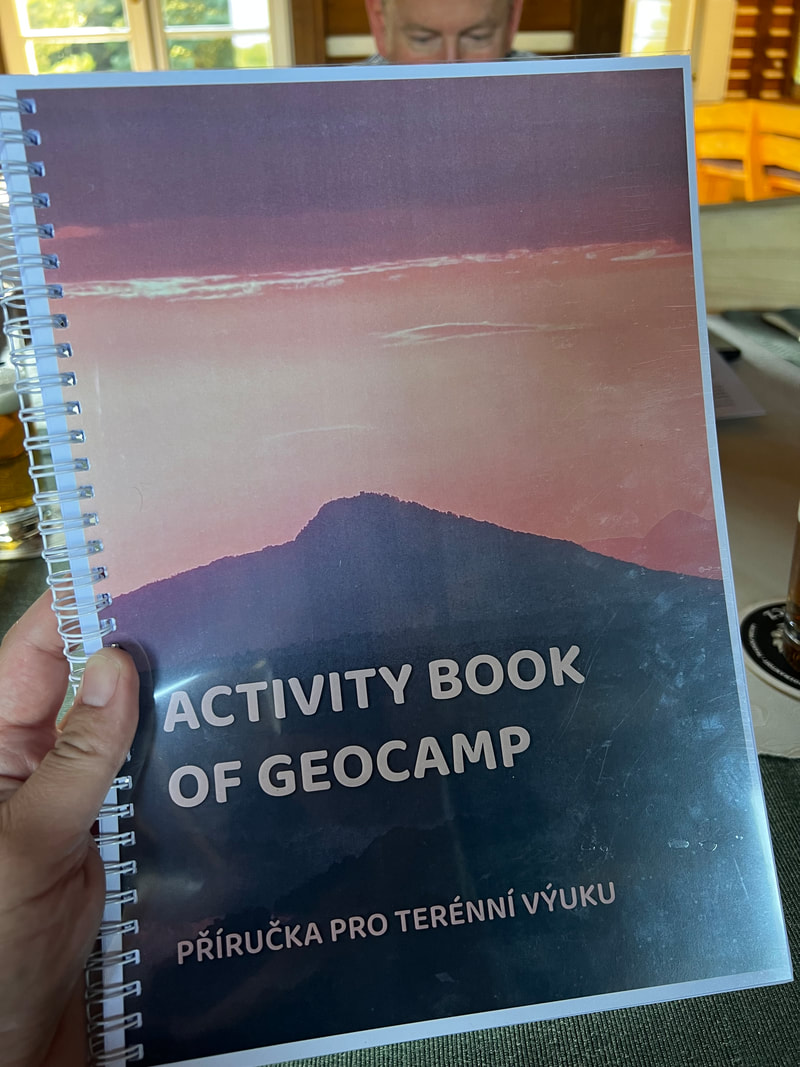
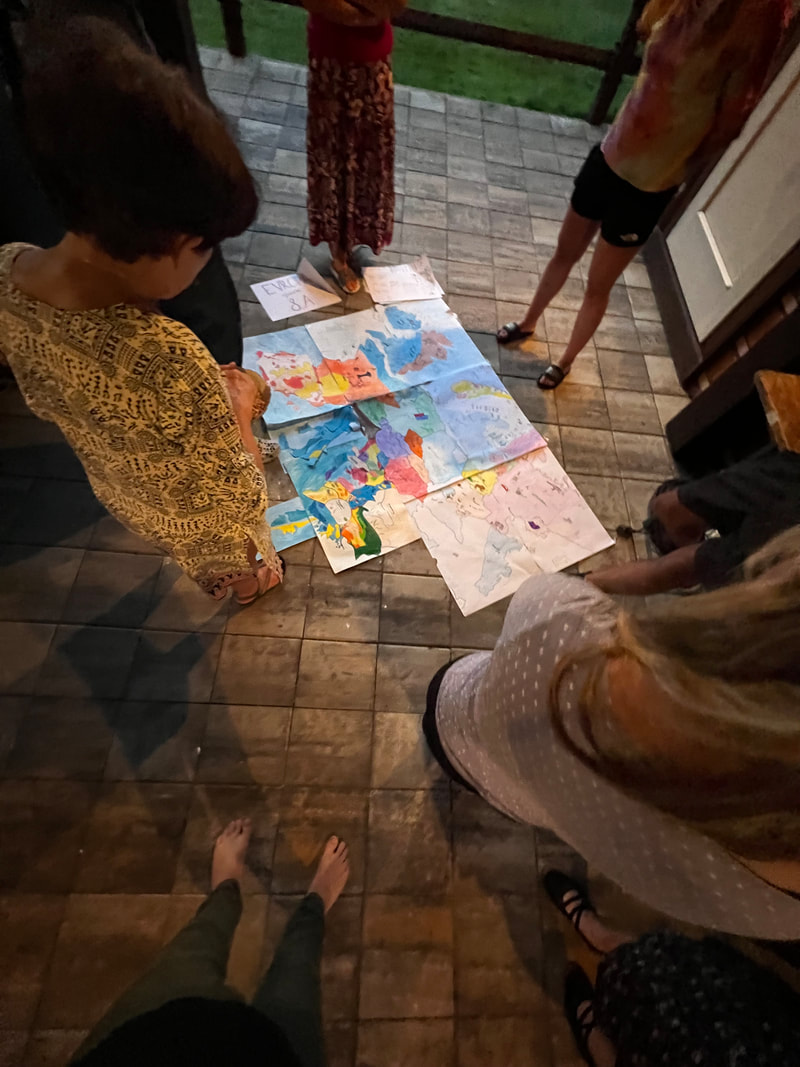
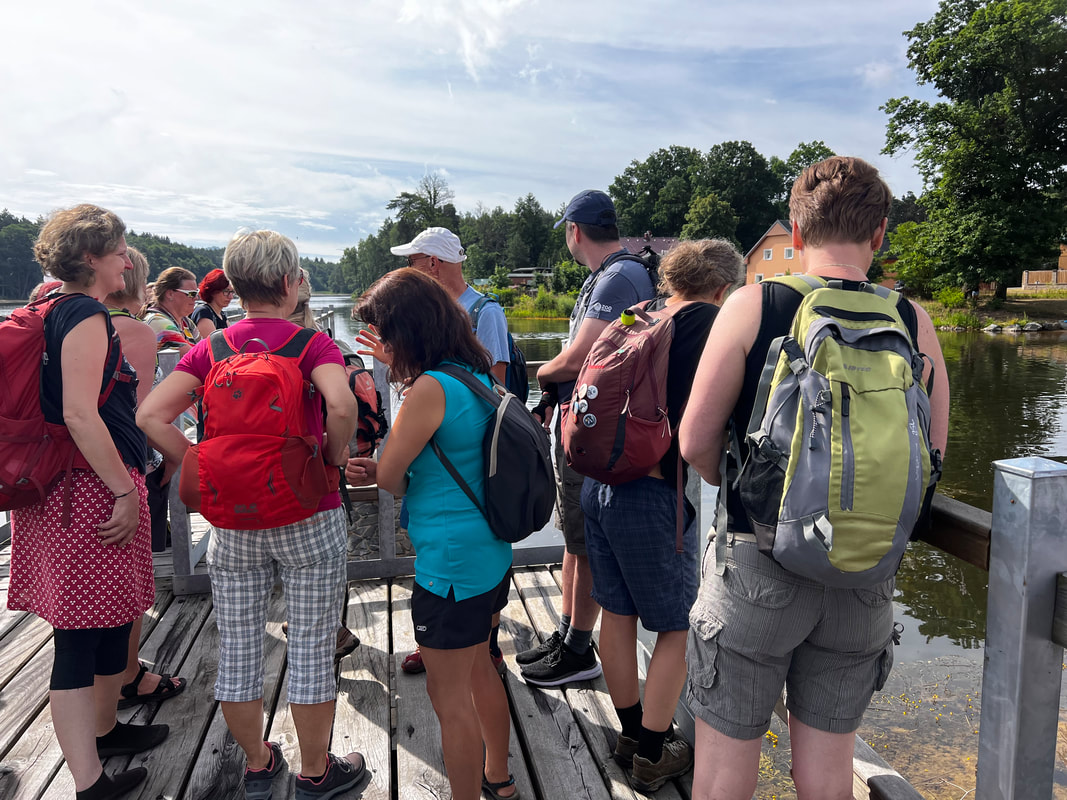
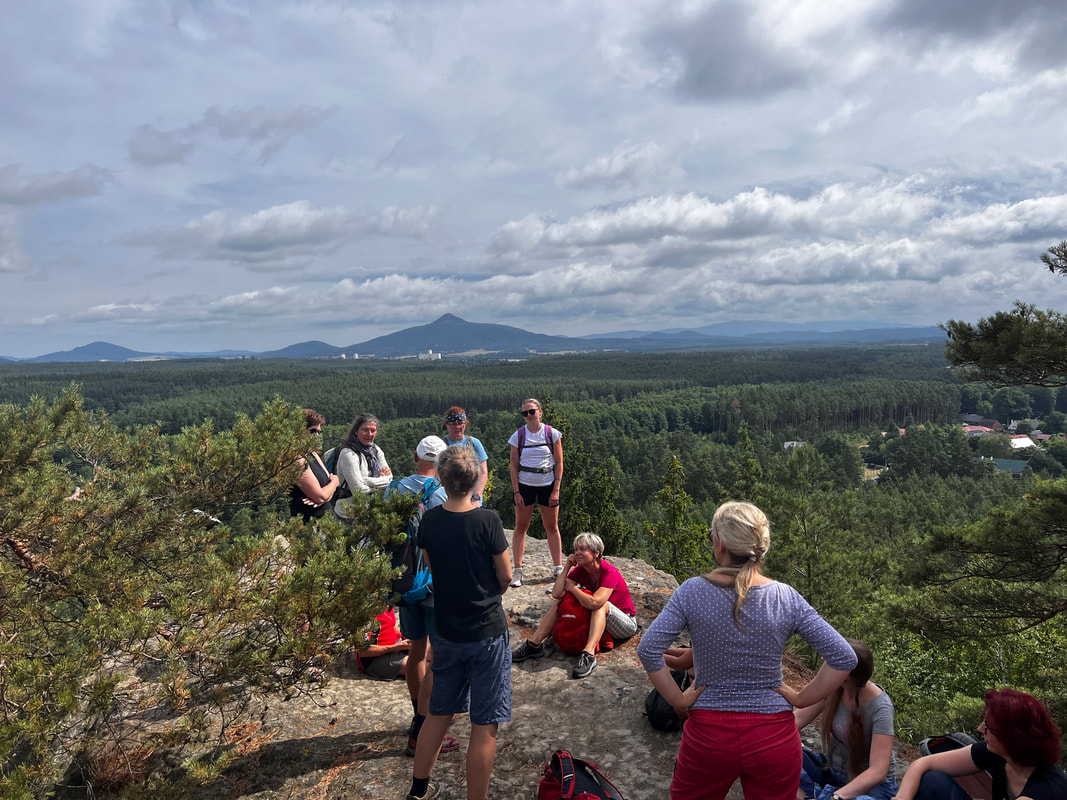
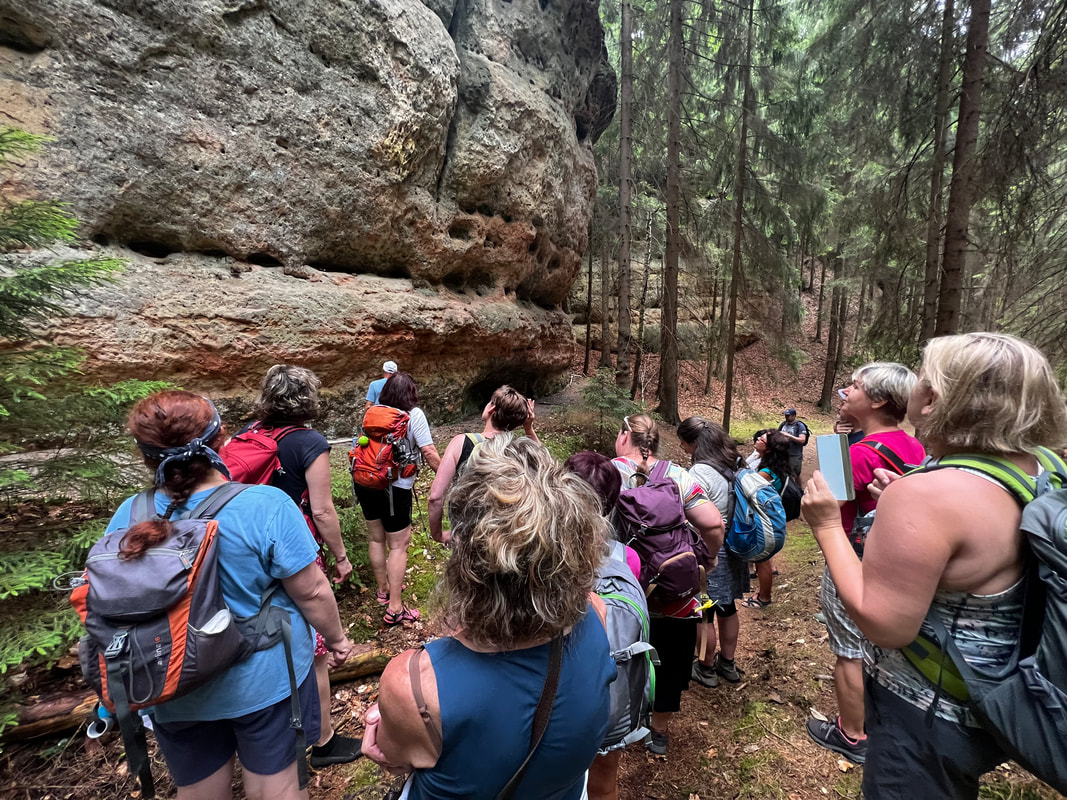
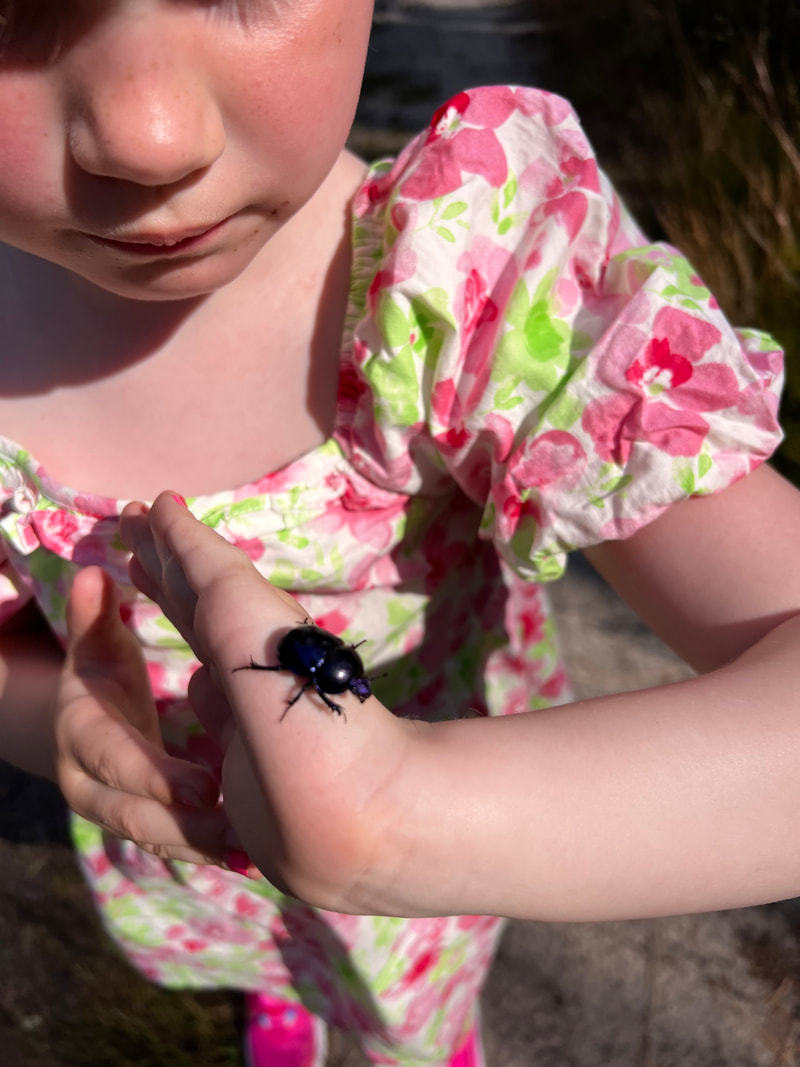
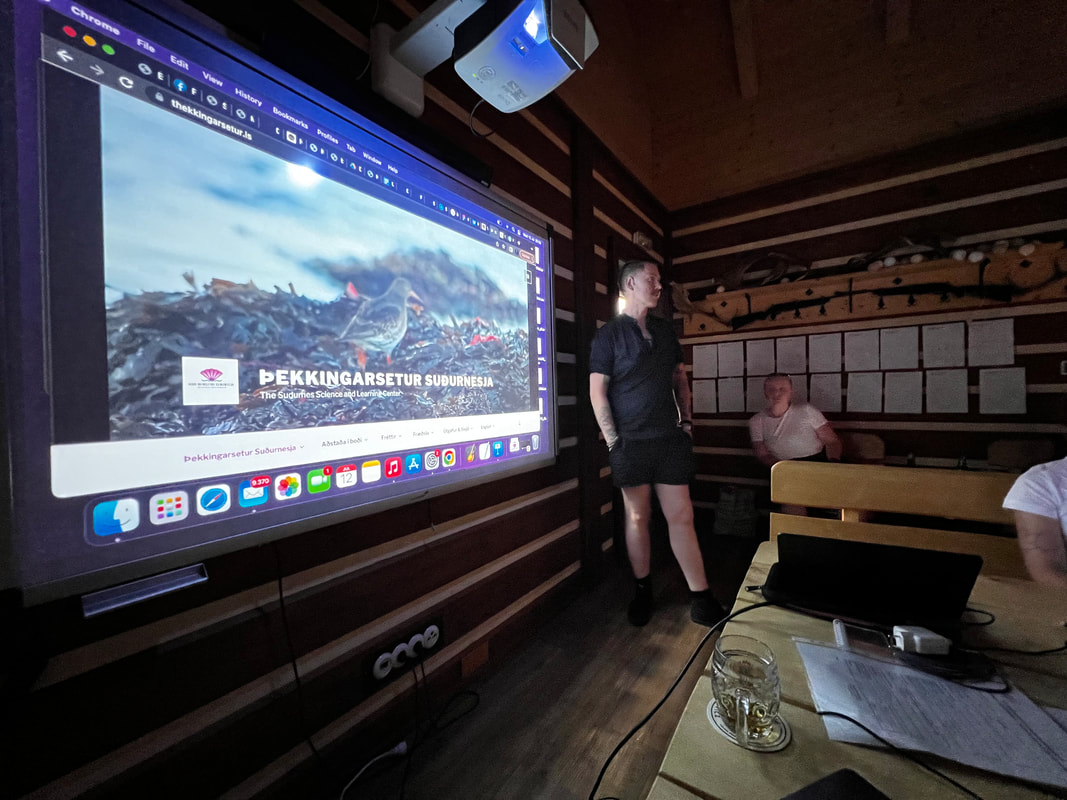
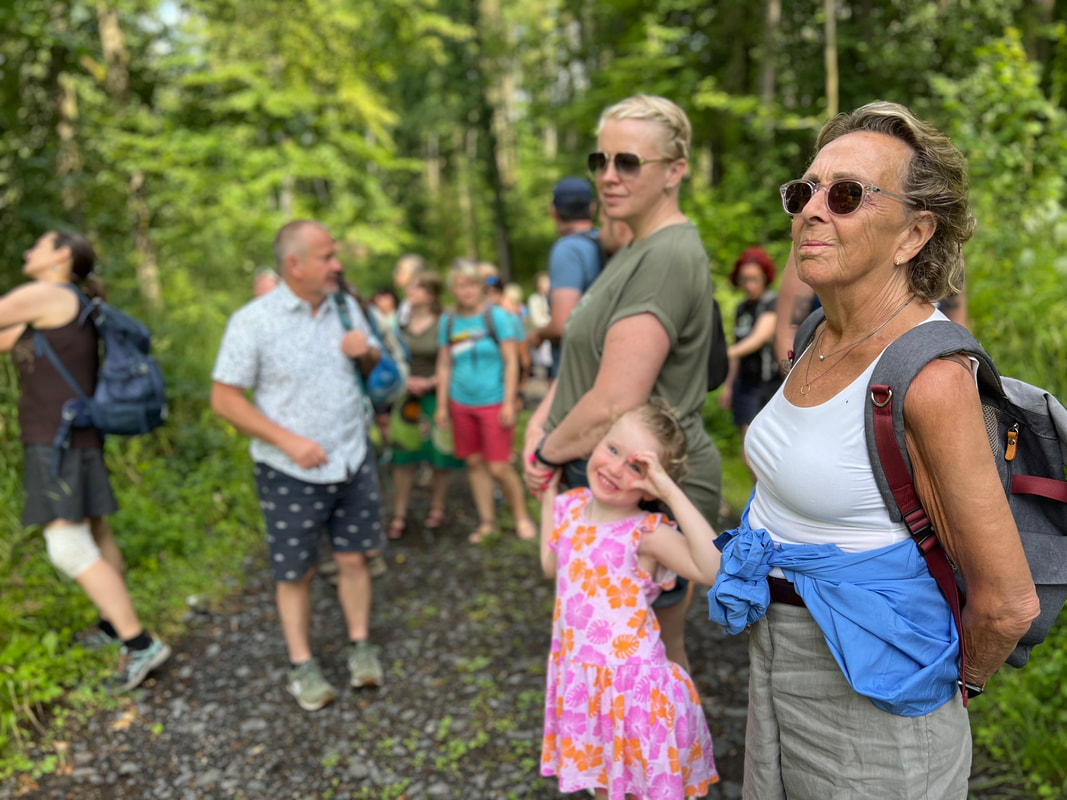
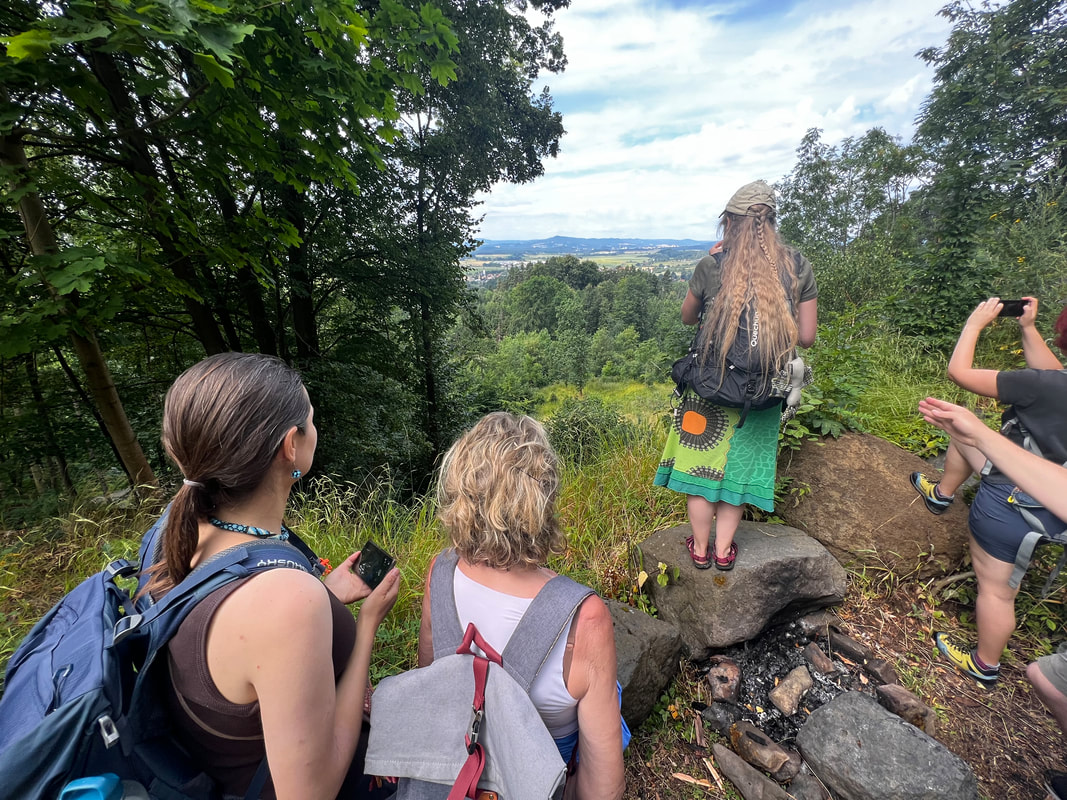
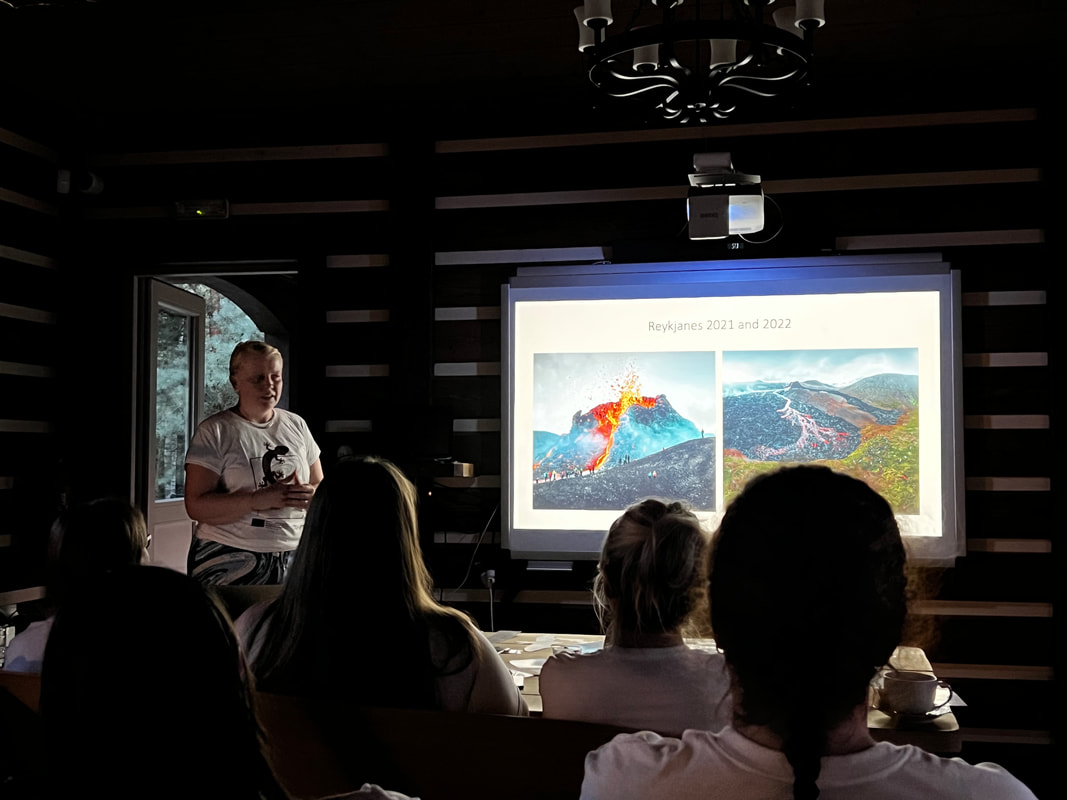
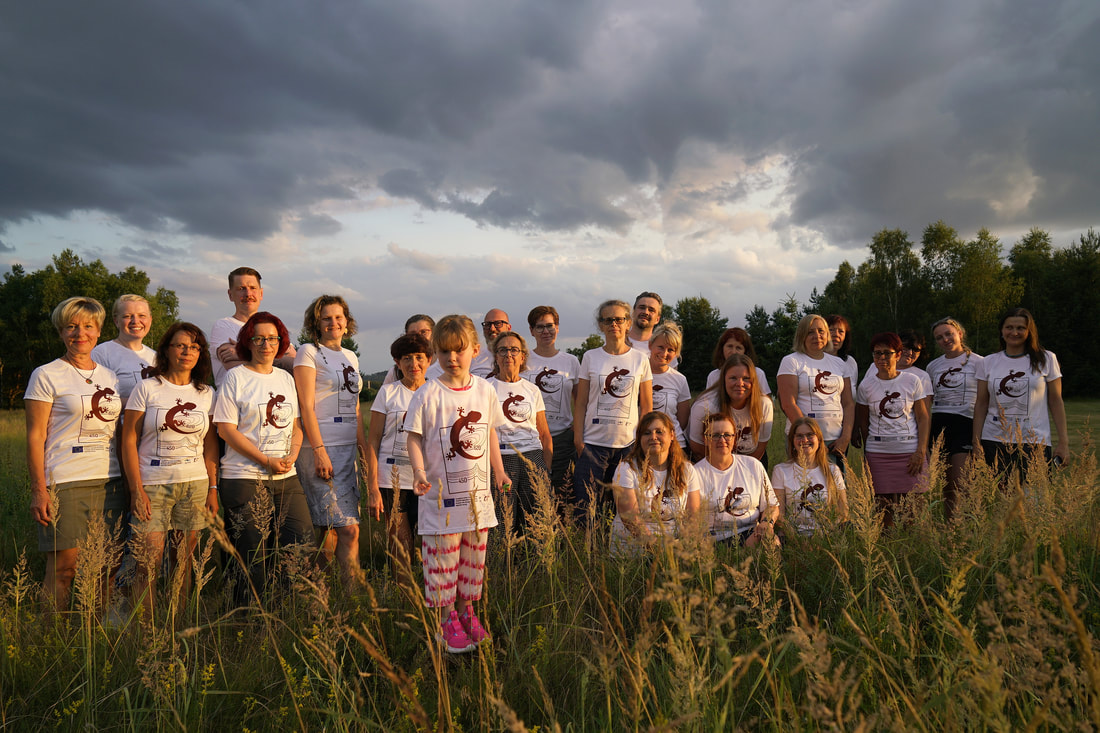
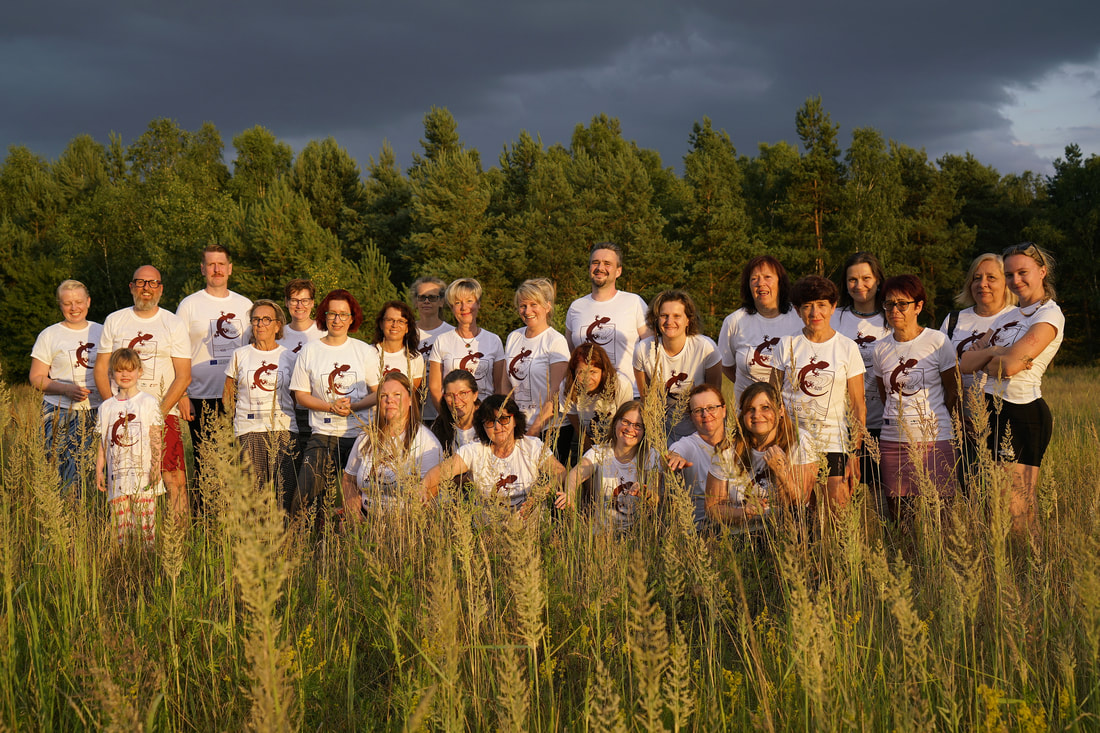
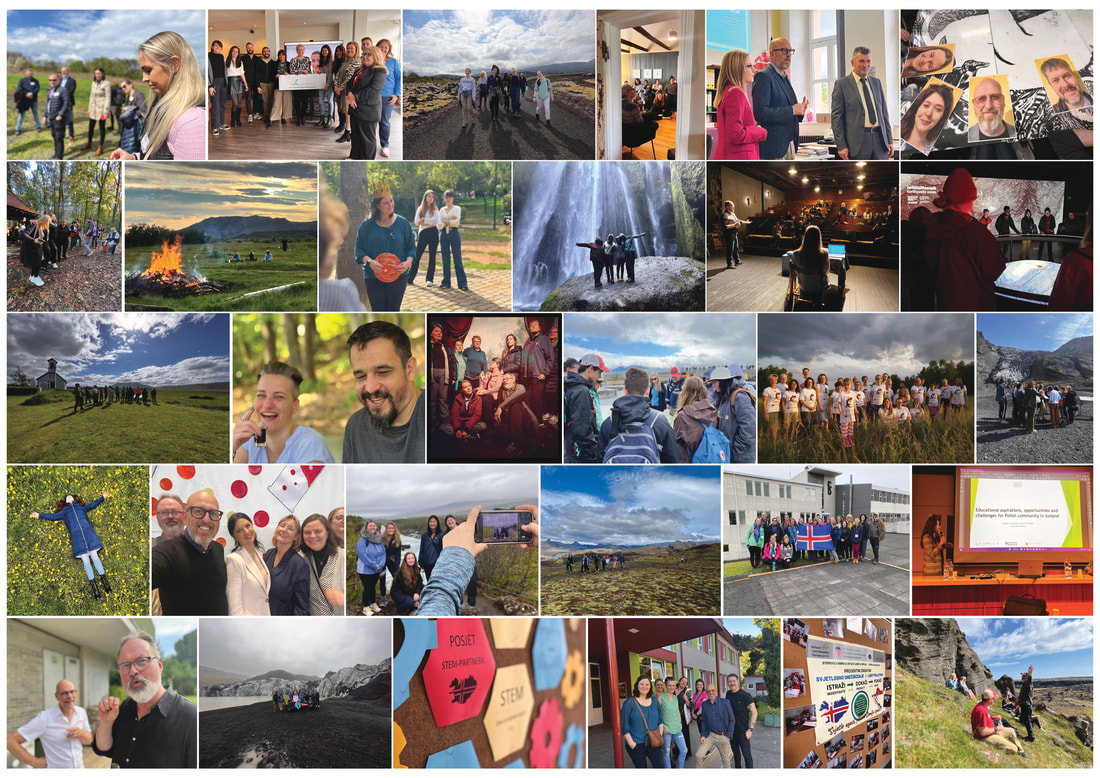
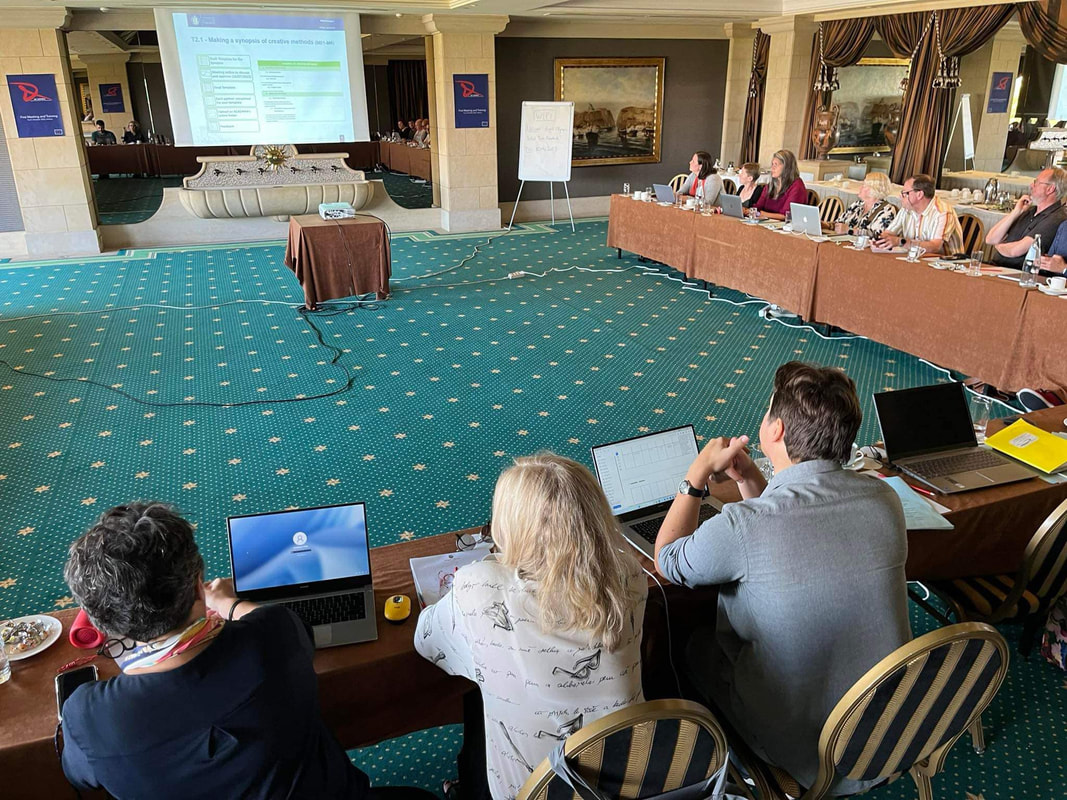
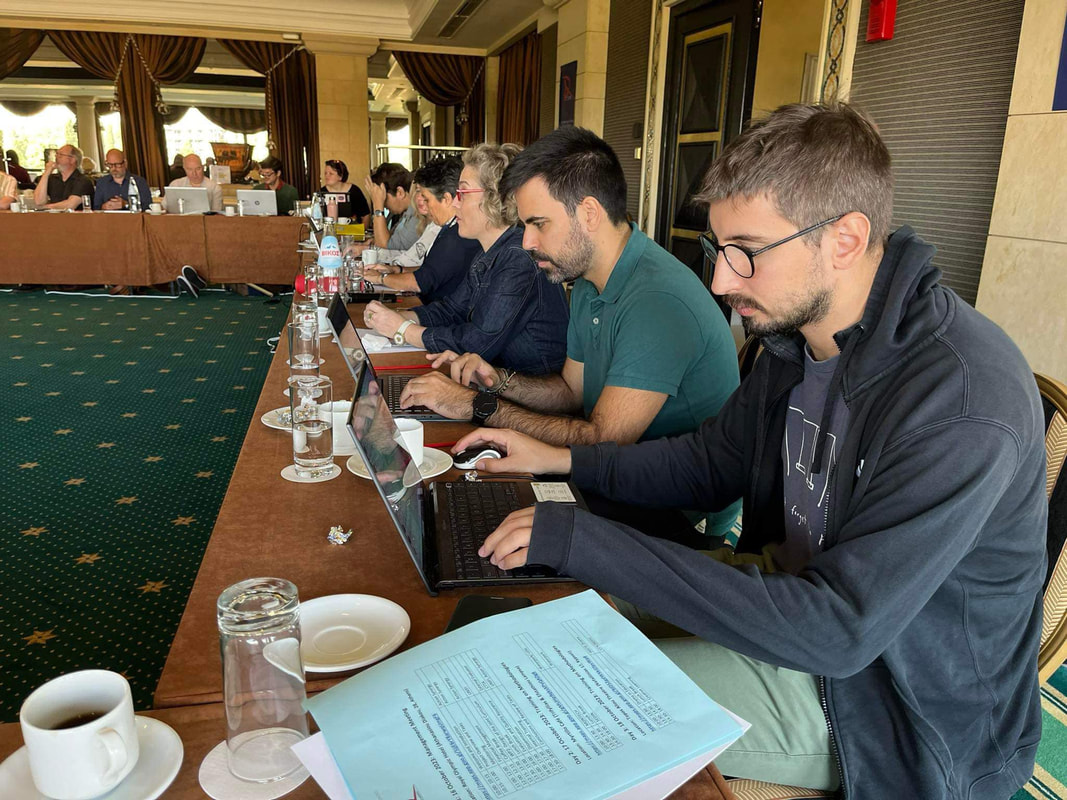
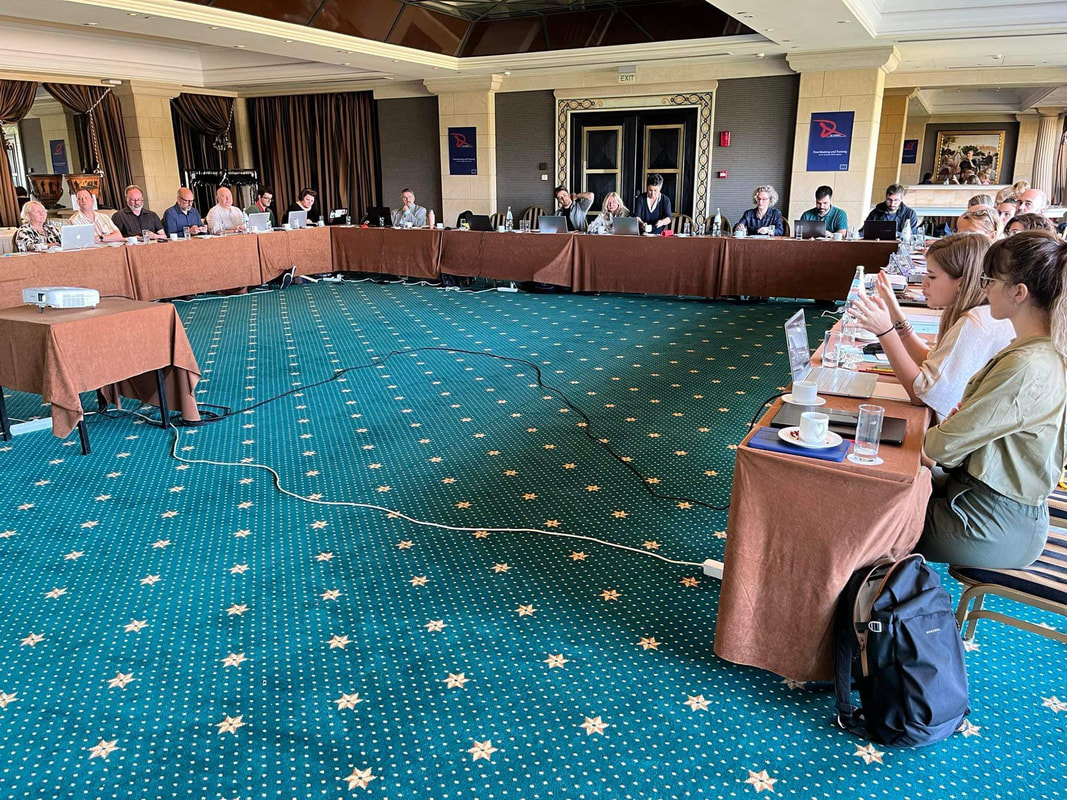
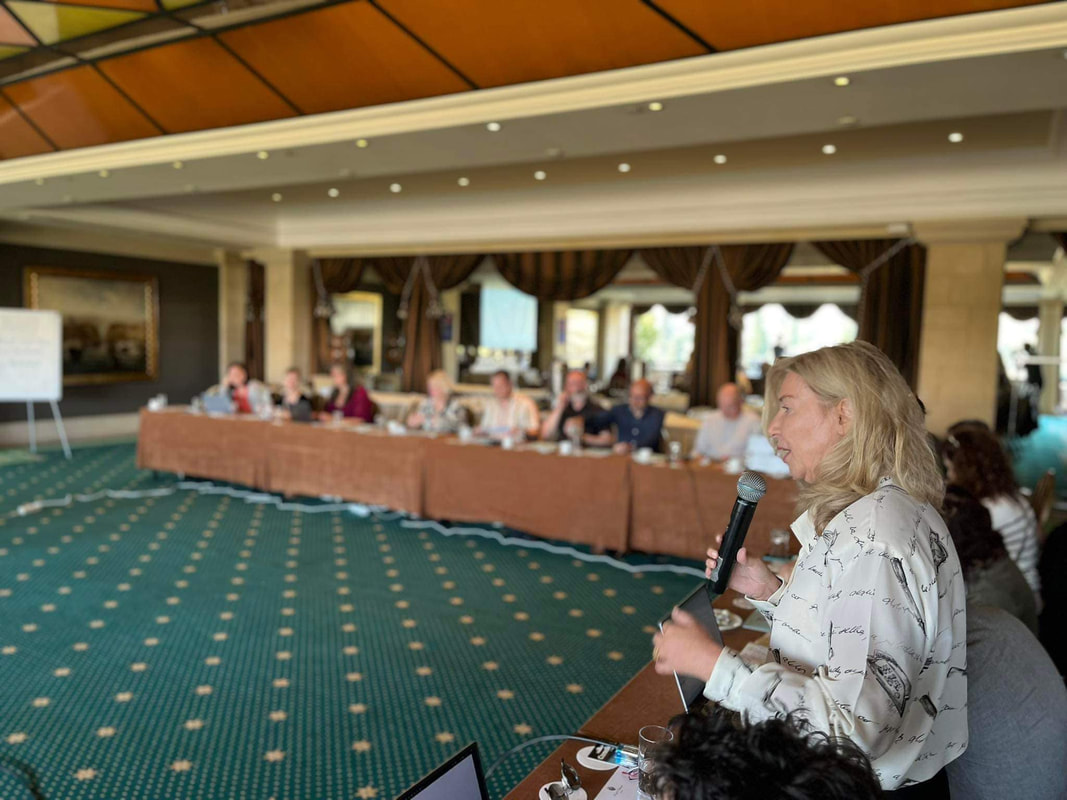
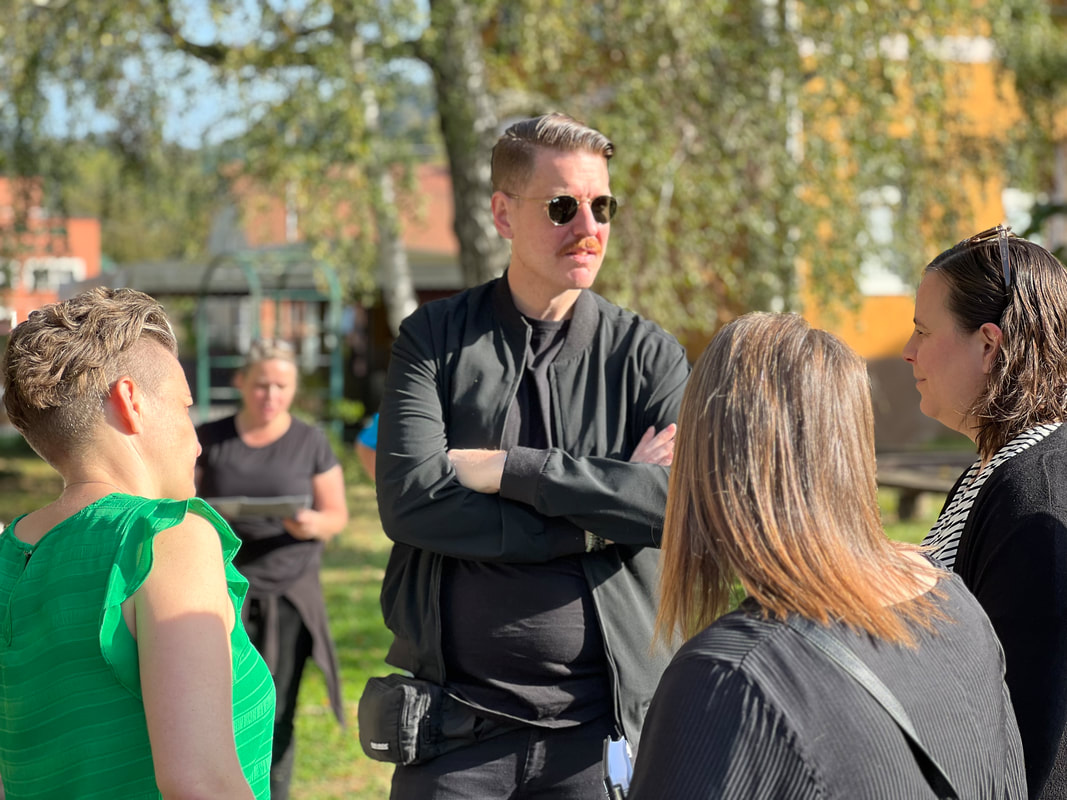
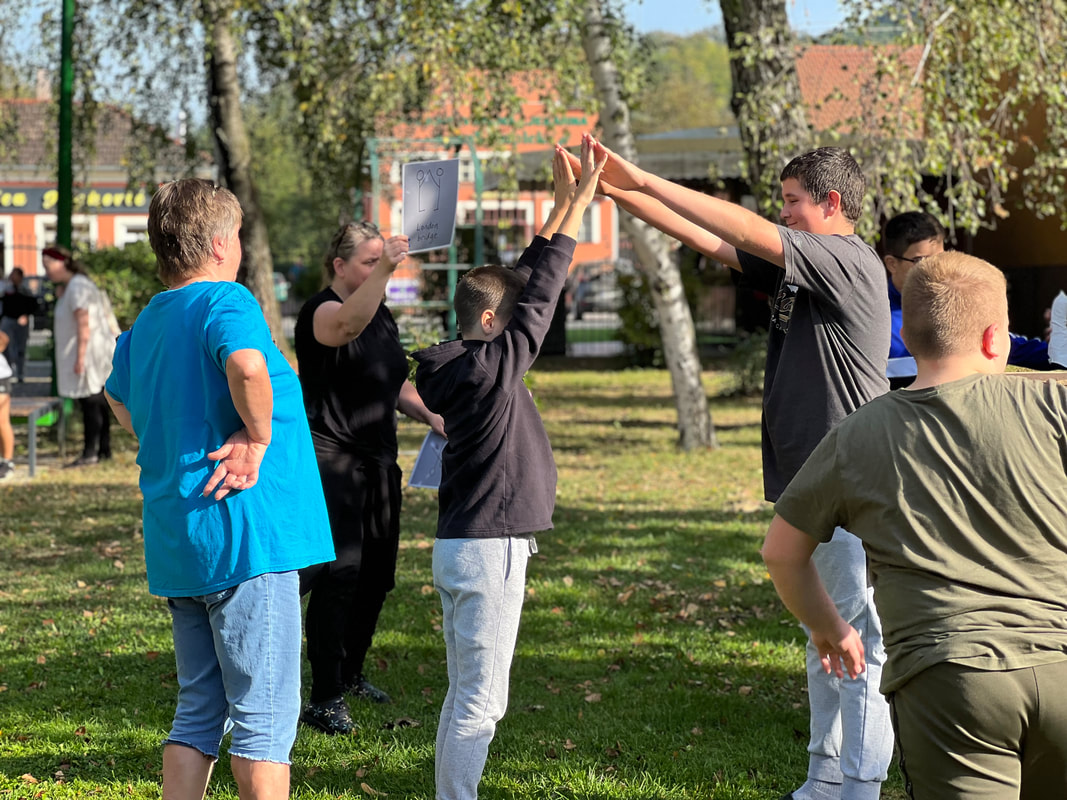
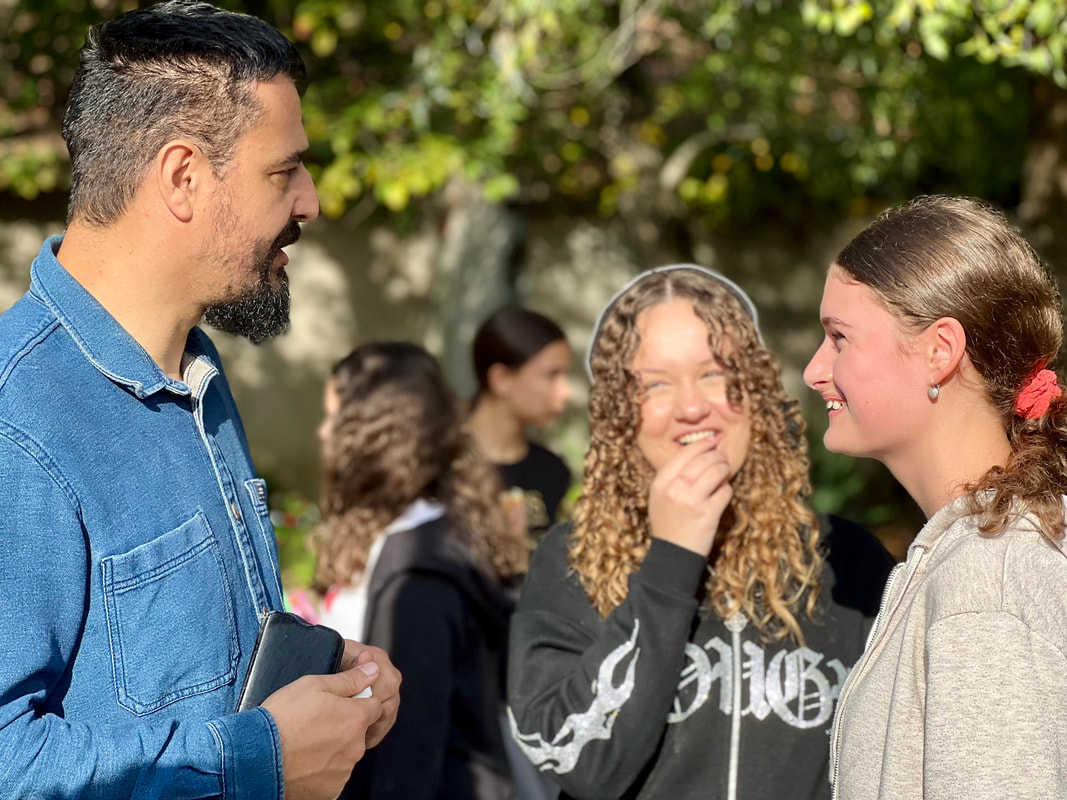
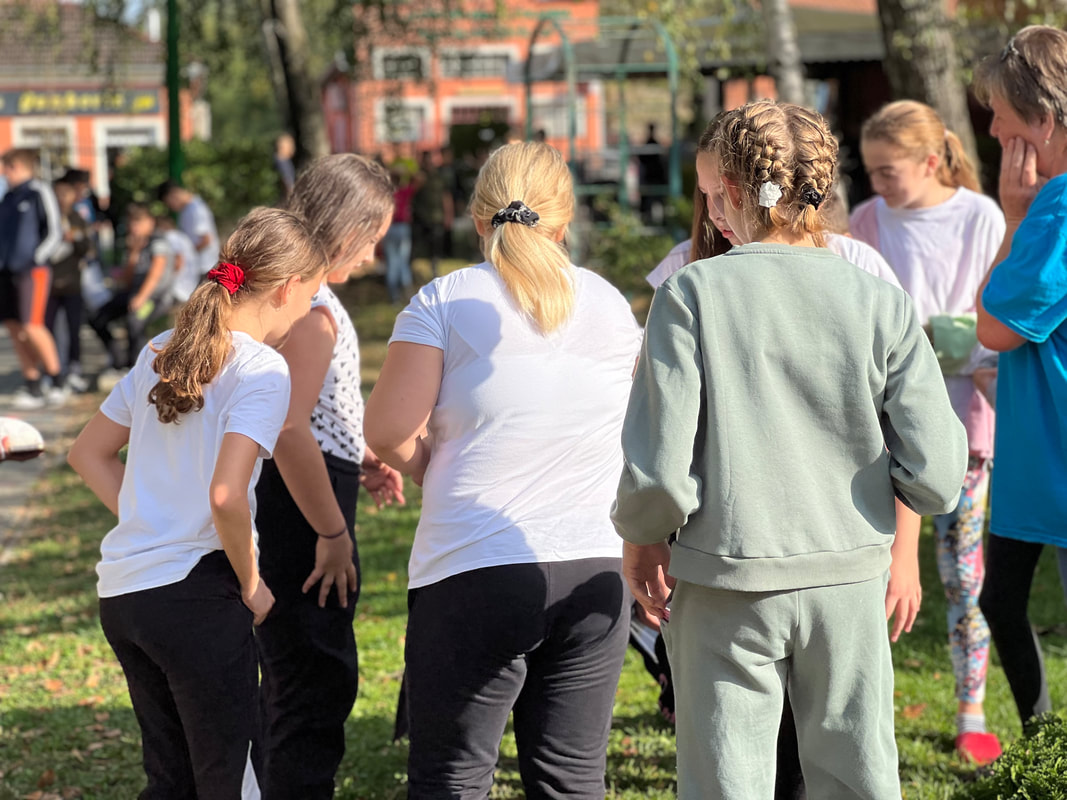
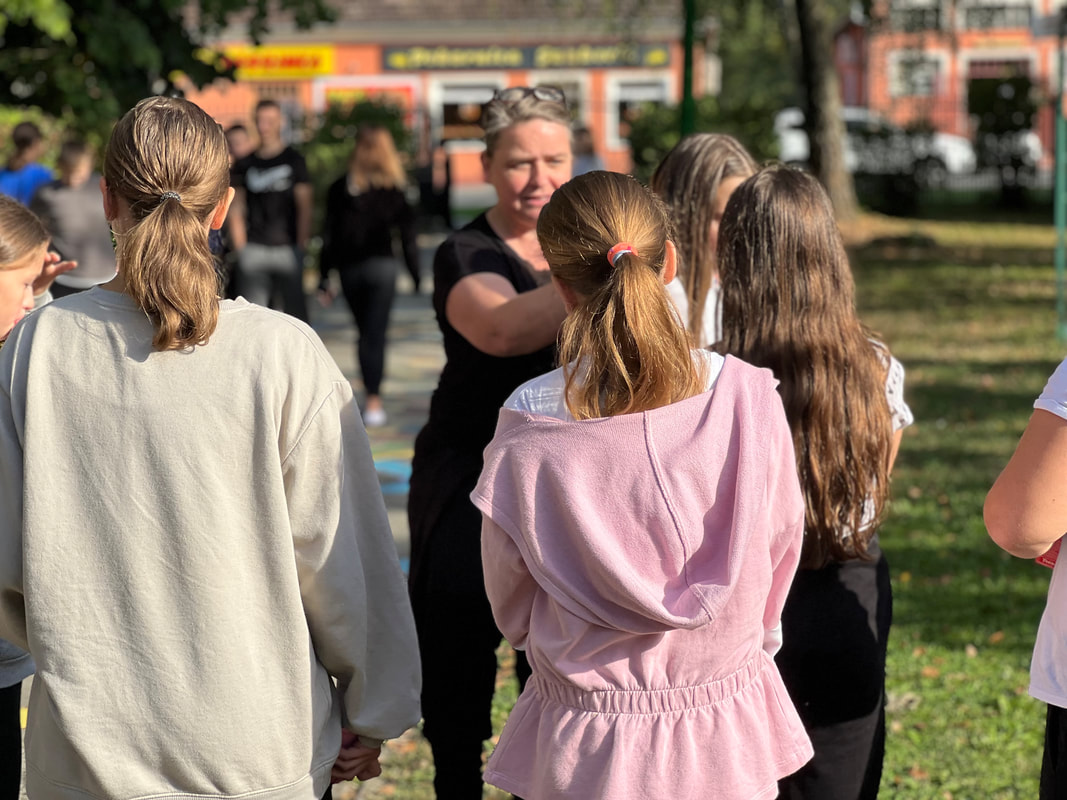
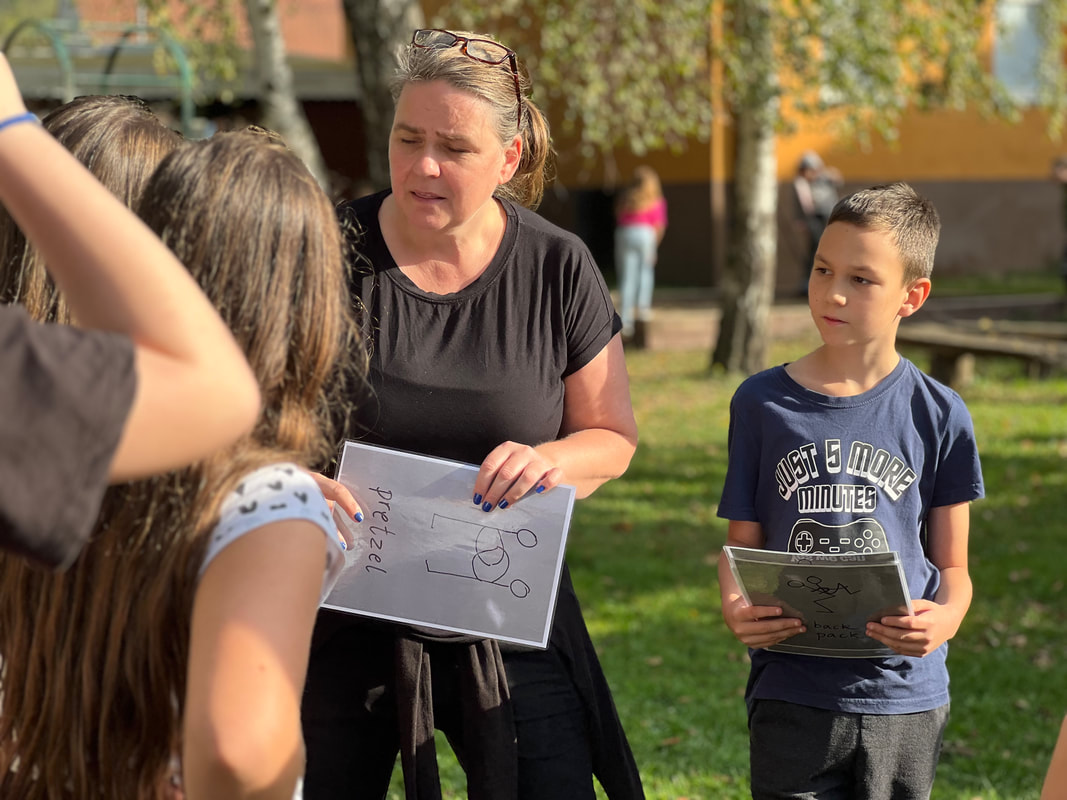
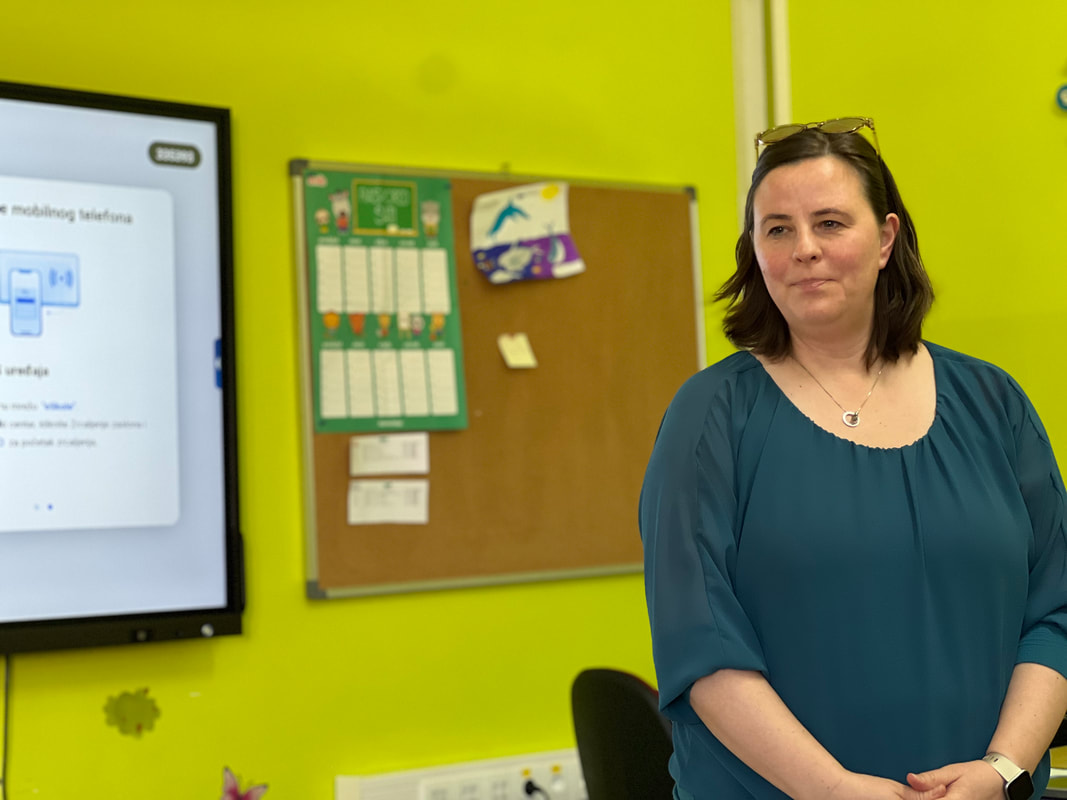
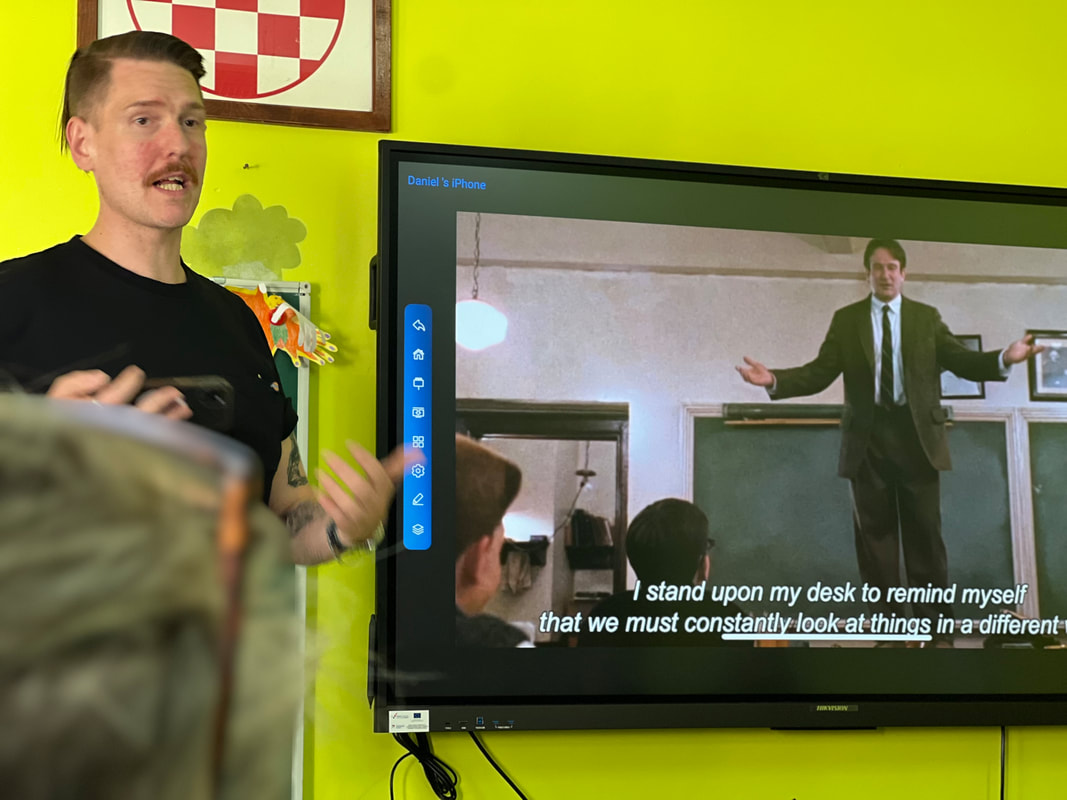
Towards long-term cooperation The project will culminate in an international conference in Iceland in 2027, where results will be shared with educators, policymakers, and stakeholders. The ultimate goal is to lay the foundation for long-term Nordic cooperationin education and community engagement, positioning geoparks as central hubs for innovation in outdoor learning. We are proud that GeoCamp Iceland is part of this forward-looking partnership, contributing our experience in field-based education and teacher training. Follow the project on Facebook for updates: Empowering Educators Images from the first transnational meeting in Rokua UNESCO Global Geopark
In August 2018, GeoCamp Iceland hosted graduate students and professors from Yale University’s Archaia: Program for the Study of Global Antiquity for a two-week summer course that stretched across two countries — Iceland and Greenland. Based at GeoCamp Iceland, the group explored Iceland’s extraordinary volcanic landscapes and cultural heritage through a programme designed and delivered in collaboration with their faculty leaders, Professors Joe Manning (History & Classics), Anders Winroth (History), and Jóhanna Katrín Friðriksdóttir (Humanities and Medieval Studies). Together with our local experts, GeoCamp guided the group through field lectures at sites such as Öræfajökull in Vatnajökull National Park, the lava fields shaped by Iceland’s largest eruptions, and the sagas embedded in the landscape. The course linked Earth sciences with the humanities: paleoclimatology, volcanology, and geology were studied alongside Norse settlement, medieval history, and the Icelandic saga tradition. This interdisciplinary approach reflects our core mission at GeoCamp — to create learning experiences where natural and human archives meet, giving students a deeper understanding of how societies adapt to environmental change. Among other highlights was the group’s journey from Iceland to Greenland, where GeoCamp Iceland facilitated a visit to the Greenland Climate Research Centre in Nuuk. There, students and professors engaged with leading experts on climatology, environmental studies, and the Greenlandic fishing industry, while exploring the legacies of Norse and Inuit settlement in one of the world’s most climate-sensitive regions. The Yale Archaia programme remains a landmark example of how GeoCamp Iceland connects academic institutions with the living classrooms of the North Atlantic. With growing interest from universities in combining Iceland and Greenland within their study abroad and field courses, this pioneering trip continues to inspire new ways of learning — across disciplines, across borders, and directly in the field. In August 2025, GeoCamp Iceland had the pleasure of welcoming a dynamic group of science faculty from Phillips Exeter Academy for a six-day educational journey across southwest Iceland. With backgrounds in physics, chemistry, and biology, the eight educators immersed themselves in the living classroom of Iceland’s volcanic landscapes, renewable energy systems, and unique approaches to sustainability.
Their program began with an exploration of the Reykjanes Peninsula, diving straight into Iceland’s tectonic identity and geothermal innovations. A visit to a local school highlighted how STEAM-based outdoor education is shaping young minds in Iceland. The group also met with renowned author and climate activist Andri Snær Magnason to discuss the power of storytelling in communicating climate science. In the days that followed, the group journeyed from Reykjavík to Þingvellir, Gullfoss, and the black sands of Reynisfjara, retracing parts of the path taken by Exeter students earlier this summer. Along the way, they explored Iceland’s sagas, energy history, and extraordinary natural landscapes. A glacier hike on Sólheimajökull offered a stark encounter with the realities of climate change, while a final visit to the CarbFix carbon capture project at Hellisheiði highlighted cutting-edge solutions for a more sustainable future. This visit was not just a study tour—it was a meaningful exchange between educators and landscapes, ideas and experiences. We’re grateful for the partnership with Phillips Exeter Academy and look forward to welcoming more faculty and students from their community in the years to come. When students stand on the edge of a glacier in southern Iceland, they’re not just looking at ice—they’re witnessing change in real time. The cracks in the ice echo through the valley, the meltwater pools where there was once solid ground, and suddenly, climate change becomes more than a statistic. It becomes personal.
“That kind of direct observation is powerful,” says Arnbjörn Ólafsson, Managing Director of GeoCamp Iceland. “It transforms the climate crisis from something abstract into something immediate and deeply human. We’ve seen students pause, visibly moved by what they’re seeing—and that’s a moment they carry with them.” One student told us: ‘I didn’t truly understand the effects of climate change until I stood next to a glacier, heard the cracks as it melted, and found myself tearing up.’ That’s a moment you don’t forget." GeoCamp Iceland has been creating those moments for nearly two decades. What began as a small initiative to promote Earth science has evolved into a full-time organisation dedicated to immersive, field-based learning. From its home base in the geologically active Reykjanes Peninsula, GeoCamp now welcomes educational groups from around the world to explore Iceland’s dynamic landscapes through guided, curriculum-aligned experiences. While the organisation officially became a full-time operation in 2021, its educational mission has been long in the making. Early work focused on Scandinavian high schools, but in recent years, GeoCamp has shifted toward hosting international universities and secondary schools, with almost 600 participants from over 20 student and faculty groups taking part in tailored study programmes in 2025. What sets GeoCamp apart is its intentional scale and hands-on approach. “We’re not a volume-based operation,” says Arnbjörn. “We work with a limited number of groups each year so we can stay personally involved in every programme. That’s how we ensure academic alignment, safety, and a meaningful experience for every participant.” Each trip is designed in close collaboration with educators and faculty. Fieldwork is carefully matched to learning goals, whether it’s investigating geothermal systems, exploring coastal ecosystems, examining glacial retreat, or studying energy transitions. Iceland’s ever-changing environment provides a unique living laboratory—and GeoCamp’s team makes sure students are not just observers, but active participants. The Reykjanes Peninsula, in particular, offers a front-row seat to geological change. Since 2021, a series of eruptions has marked the beginning of a new volcanic cycle in the region—an event geologists had long predicted. “We’ve been telling our groups for years that Reykjanes was waking up,” Arnbjörn explains. “Now it’s happening, and we’re integrating these developments directly into our fieldwork.” Students might find themselves walking on newly cooled lava fields, visiting protective berms built around geothermal plants, or even gaining access to emergency zones to study heat vents using thermal drones. These aren’t just excursions—they’re active case studies in natural hazard management, resilience, and sustainability. But the programme goes beyond Earth science. “To truly engage with these topics, we believe science needs to be paired with storytelling, empathy, and reflection,” says Arnbjörn. That’s why GeoCamp also partners with writers, artists, and environmental advocates—helping students think not only as researchers, but as citizens and storytellers. Among the most moving moments in any trip is a visit to one of Iceland’s rapidly retreating glaciers. One in particular is losing around 35–40 metres of ice per year, and students often return year after year to find dramatic changes. “It’s impossible to ignore,” Arnbjörn says. “And for many, it’s the first time the reality of climate change hits home.” These experiences are framed through both scientific context and emotional literacy. Students learn about Earth systems, energy balance, and the carbon cycle—but they also explore the ethics of climate responsibility, intergenerational thinking, and what it means to care for a changing planet. GeoCamp’s small, interdisciplinary team includes scientists, educators, and local experts—all deeply committed to place-based education. While summer remains the most popular time for visits, an increasing number of groups are choosing spring and autumn for their fieldwork. These off-season trips offer added opportunities: interaction with local schools, less crowded natural sites, and sometimes, a glimpse of the Northern Lights. No two groups are the same, and that’s part of the point. Whether it’s eight students from a rural high school or a research delegation from a large university, every programme is designed to foster discovery, dialogue, and deeper understanding. “We always learn something new about our own country,” Arnbjörn reflects. “Through the questions visitors ask, the perspectives they bring—we see Iceland with fresh eyes.” There’s an old Icelandic saying: “Glöggt er gests augað”—“The eye of the visitor is keen.” At GeoCamp Iceland, that principle guides everything. It reminds us that learning is reciprocal. The landscape teaches us, and so do the people who come to explore it. The following reflections come directly from students who took part in this summer’s UW–Madison Field Study in Iceland. Over two weeks, they combined classroom preparation with hands-on exploration across Iceland’s volcanic landscapes, glaciers, and coastal ecosystems. Their words capture not only what they learned, but how the experience changed them. For many, the journey began as a leap into the unknown. It was intimidating travelling without my family for the first time and spending two weeks in a completely new place with new people, but I think this was something I needed. I was able to enjoy spending time with myself, strengthen my ability to work with new people, and really push myself to show up — not just for me, but for everyone in the group. Another reflected, “Saying yes to this program proved to me that stepping outside my comfort zone leads to growth. I’ve always been an introvert, but this trip showed me that if I take the chance, incredible things can happen.” Wildlife encounters were equally powerful. “Seeing puffins, seals, and an arctic fox was incredible, but what made it more special was recognising what I was looking at. I knew from class that the puffins’ bright colours meant they were in mating season, and the arctic fox’s brown-and-white coat showed it was transitioning between winter and summer. Those little details made me appreciate every moment even more.” Standing between the Eurasian and North American plates at Þingvellir was so cool to see in real life. I had read about tectonic plates and even studied them in geology class, but being there — physically standing on the rift — made it real in a way I’ll never forget. Another wrote, “At deCODE Genetics, I could directly connect what we’d learned in the online portion to what they were doing in the lab. I felt prepared to ask questions about the ethics of genetic testing, and hearing their answers deepened my understanding.” Memories from the trip are filled with vivid and sometimes challenging adventures. “Hiking in Þórsmörk was one of the hardest things I’ve done physically, but making it to the top was amazing. It’s like life advice in hiking form: it’s tough, but the view makes it worth it.” My favourite experience wasn’t even the waterfall itself — it was getting there. We had to jump from rock to rock to avoid getting our feet wet, and I just had a blast the whole time. It reminded me how much I love physical challenges.” Conversations with Icelandic author Andri Snær Magnason also left a deep impression. “Talking with Andri was like a fresh snow on a ski hill — it made new paths possible. Hearing him explain how he wrote On Time and Water made me want to go back, reread it, and see it with new eyes.” In Iceland, people trust each other in a way we don’t often see in the U.S. Police are unarmed, there’s no military, and disaster relief is run by volunteers. It’s such a different mindset — one built on community. Some reflections captured moments of surprise. “I knew Iceland was advanced in renewable energy, but I didn’t expect to see small personal hydroelectric systems in people’s backyards. Some of them were built in the early 20th century! The land gives but also takes, and people here have learned to work with it in a way that’s both intuitive and inspiring.” The personal and academic impact of the trip was profound. One student wrote, “Seeing glaciers up close — watching them melt right before my eyes — created a reaction I didn’t expect. It was a mix of mourning and anger, and it ignited something in me. I’ve always cared about climate change, but now I feel an urgency to do something about it.” Another reflected, “.” I want my grandchildren to know what it feels like to bask in nature’s glory. This trip made me realise that protecting the planet isn’t optional. Perhaps the most consistent theme was the power of community. “Our group made every moment more meaningful. I’ve been on trips where you feel like you have to be friends with people just because you’re together, but this was different. I connected with every single person, and I’ll carry those connections with me.” Another added, “One of my core values is gratitude, and if there’s anything I’m leaving Iceland with, it’s that. Gratitude for the people, the experiences, and the chance to see the world in a new way.”
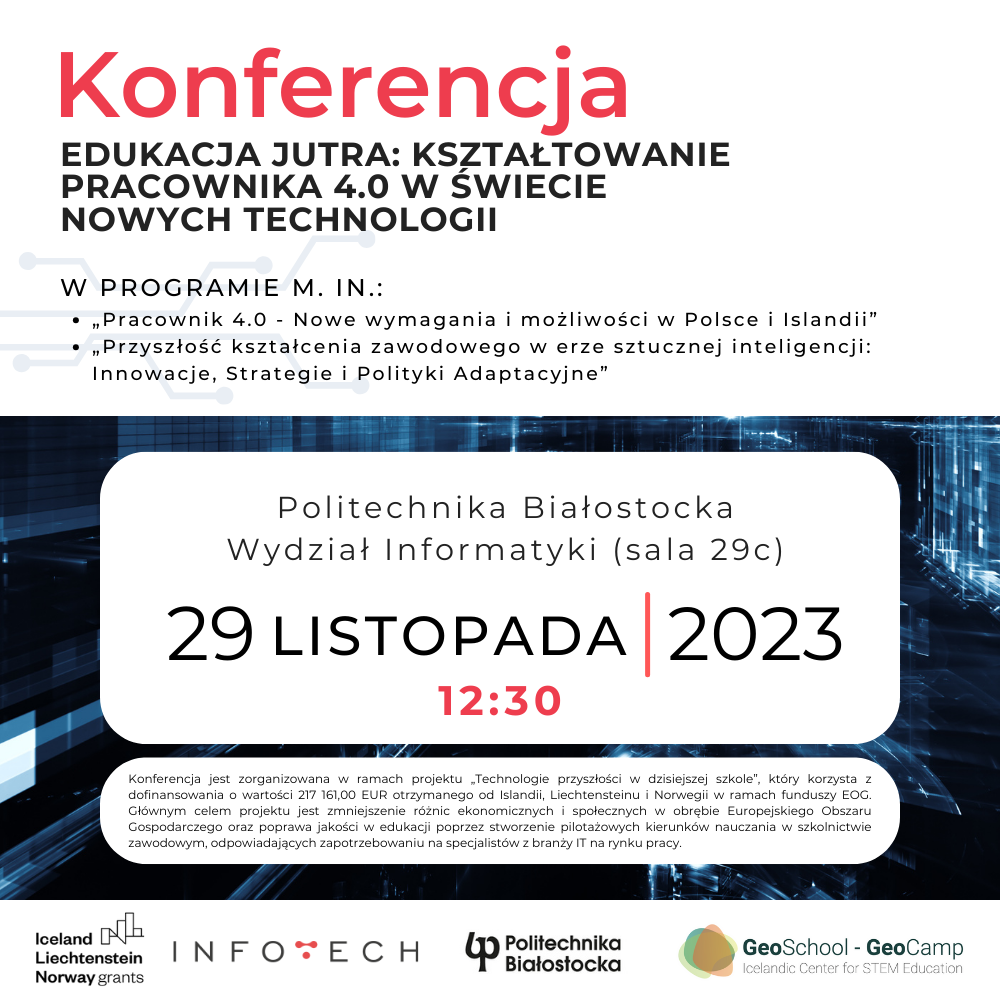
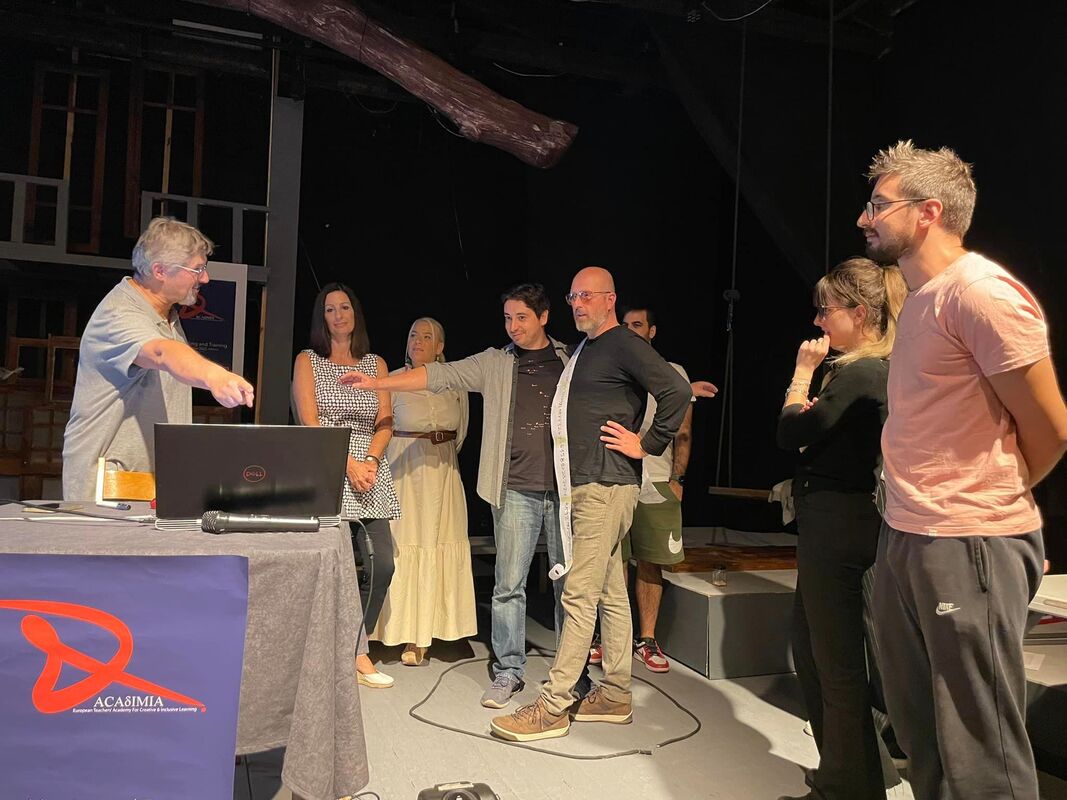
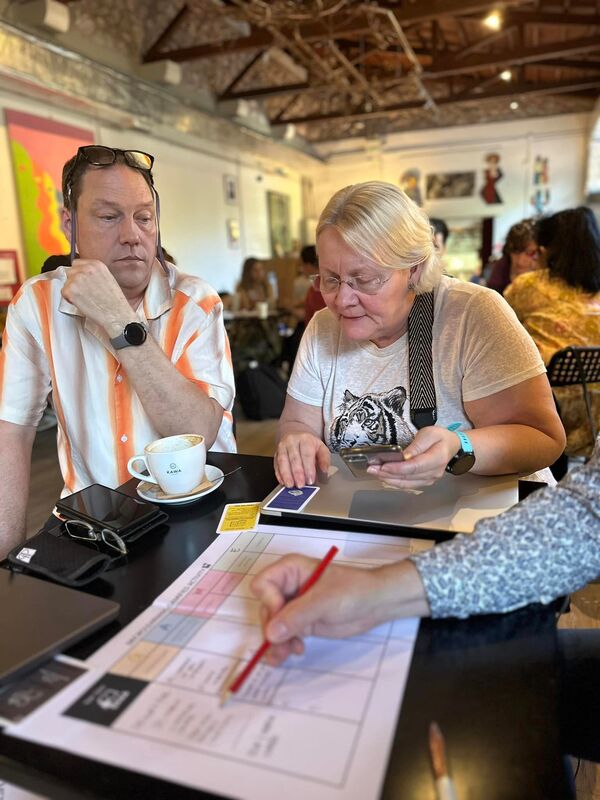
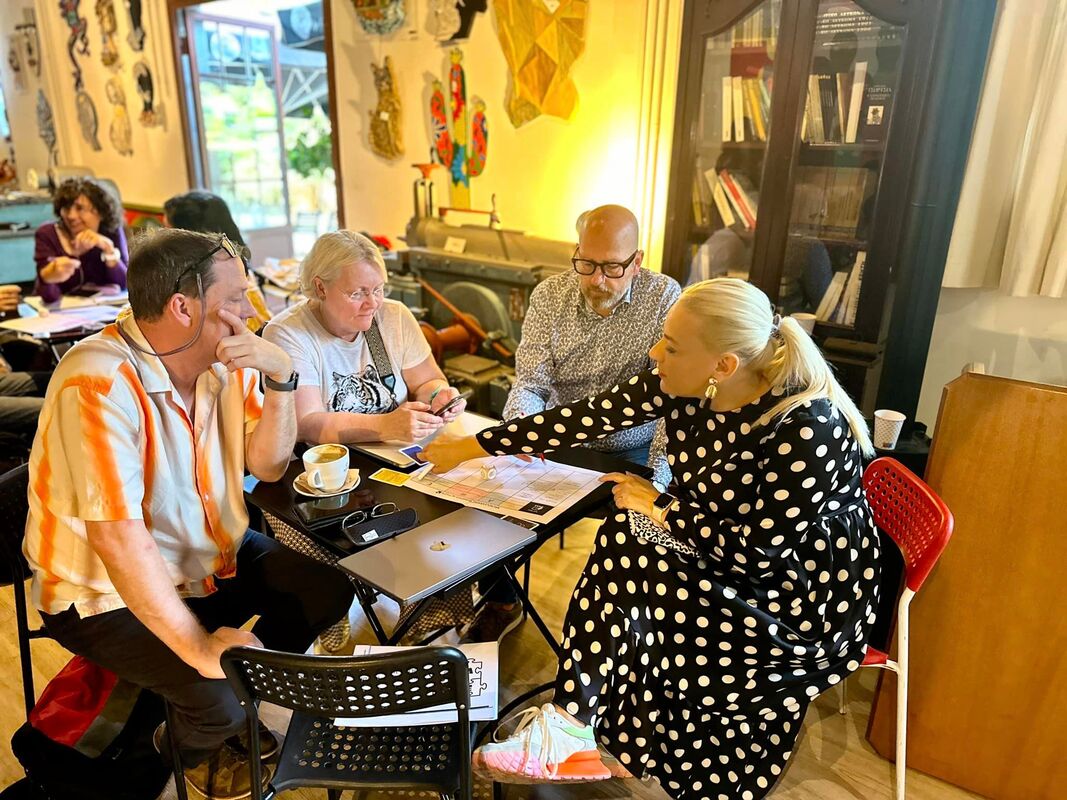
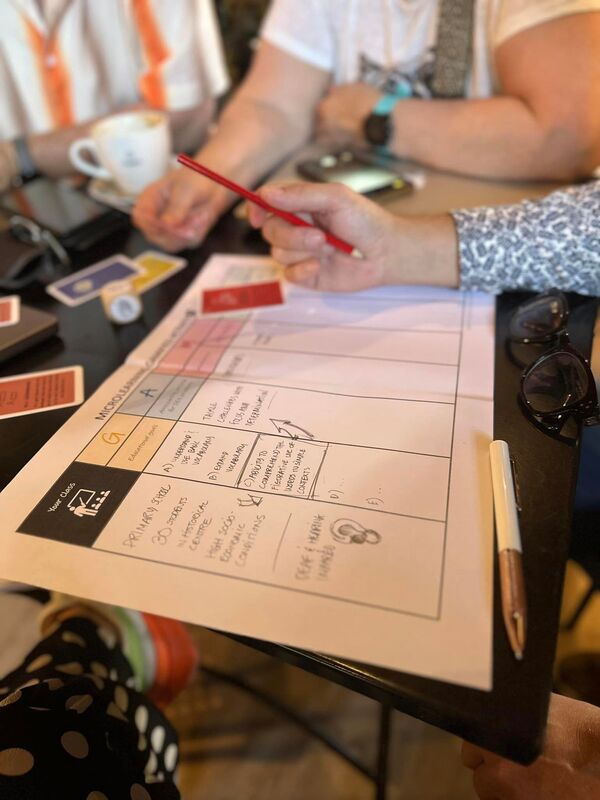
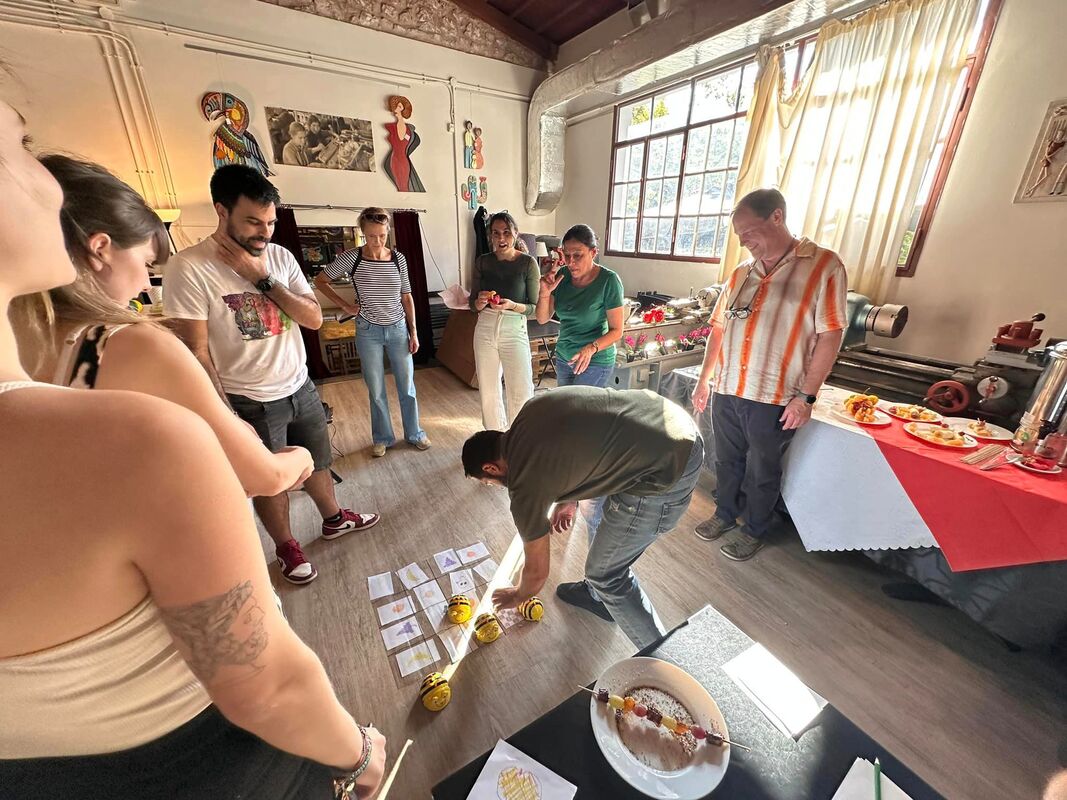
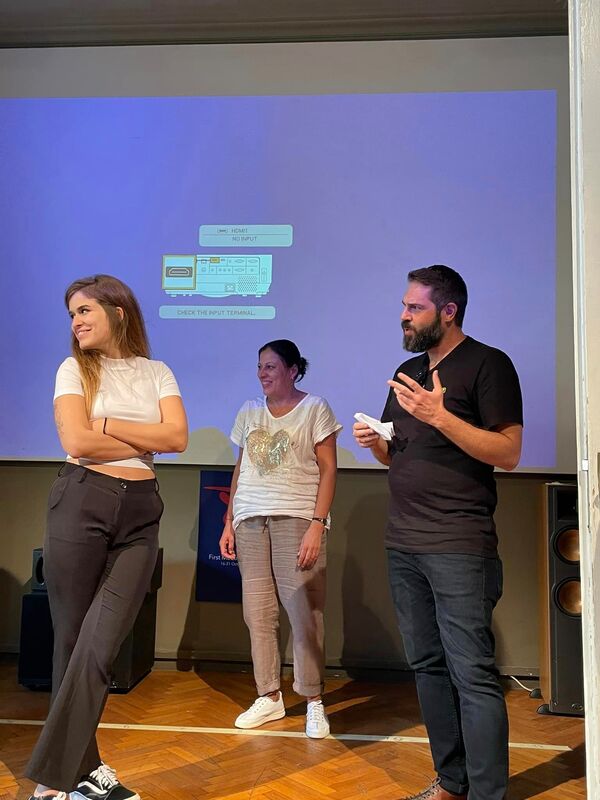
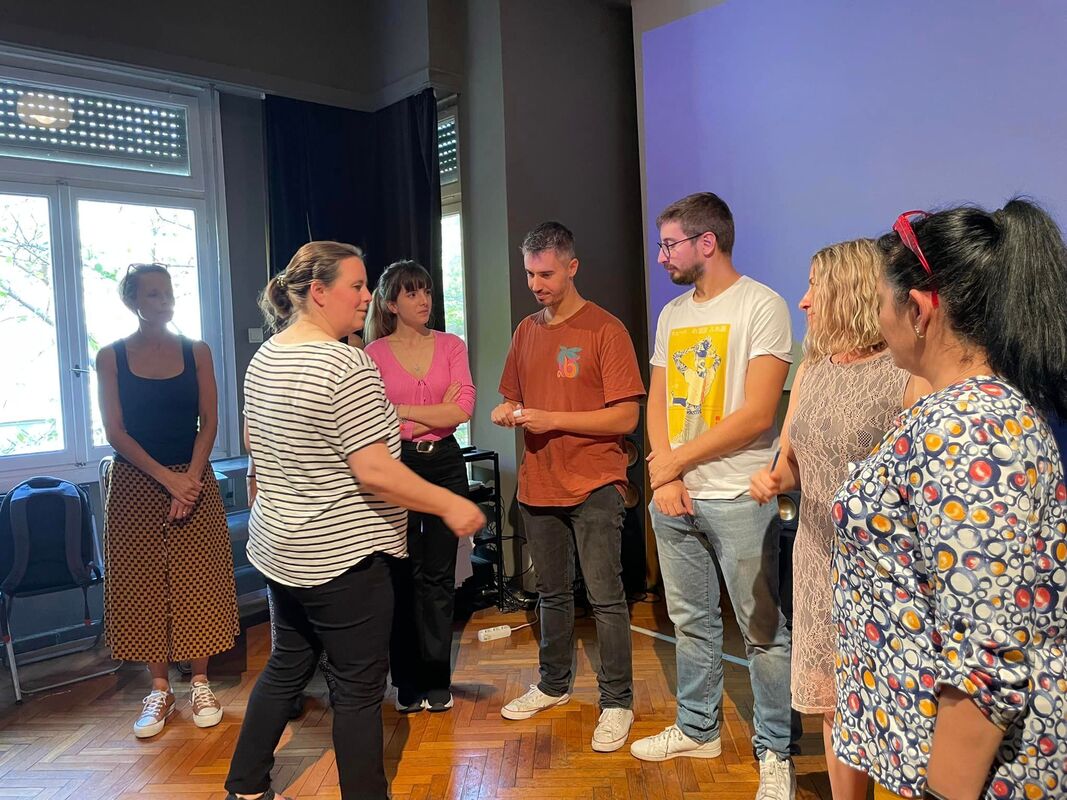
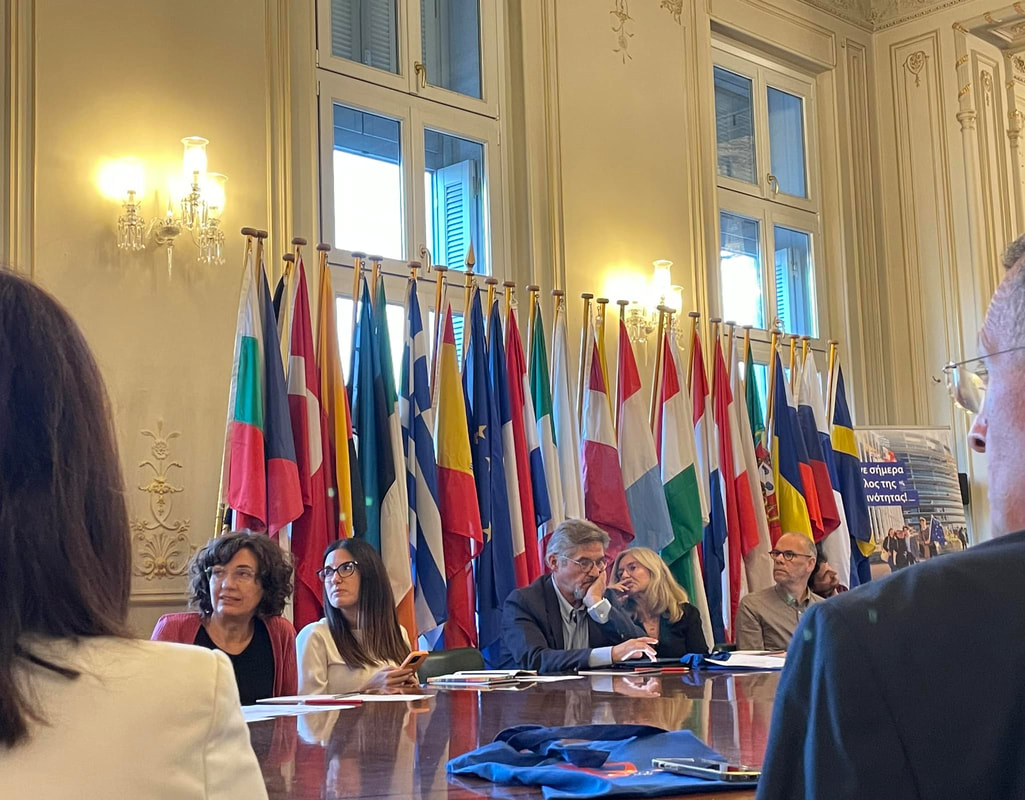
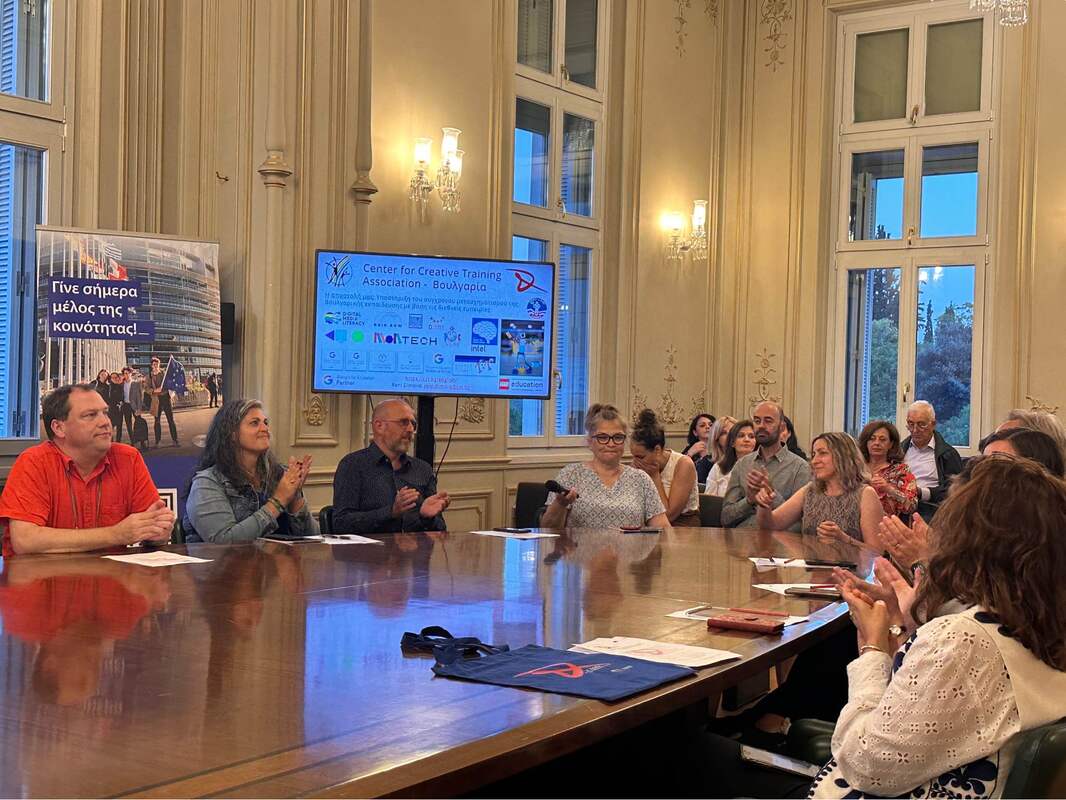
From field research in remote valleys to quiet moments under the midnight sun, the students’ voices tell a clear story: this was more than a study trip. It was an experience that broadened their perspectives, strengthened their sense of purpose, and inspired them to continue exploring — and protecting — the world. GeoCamp Iceland partners the Erasmus+ project On the Move: Enhancing Employability and VET Mobility through Real-World Learning (Project No: 2021-1-IT01-KA220-VET-000034780), an ambitious and timely initiative that aims to strengthen vocational education and training (VET) through experiential learning and international mobility.
Funded by the Erasmus+ Cooperation Partnerships in Vocational Education and Training, the project brings together institutions and organisations from Italy, Iceland, Ireland, Spain, and Greece. Together, we are working to bridge the gap between the classroom and the workplace by designing innovative tools and methods that make VET more dynamic, inclusive, and future-ready. What is “On the Move” about? The core idea of the project is simple yet powerful: to make vocational learning more mobile, practical, and connectedto the real world. Through partnerships between schools, employers, training centres, and educational innovators like GeoCamp Iceland, the project seeks to promote mobility as a core value in VET. This includes not only physical mobility through exchanges and internships abroad, but also the development of mobility mindsets—encouraging flexibility, adaptability, and resilience in young learners. Key themes include:
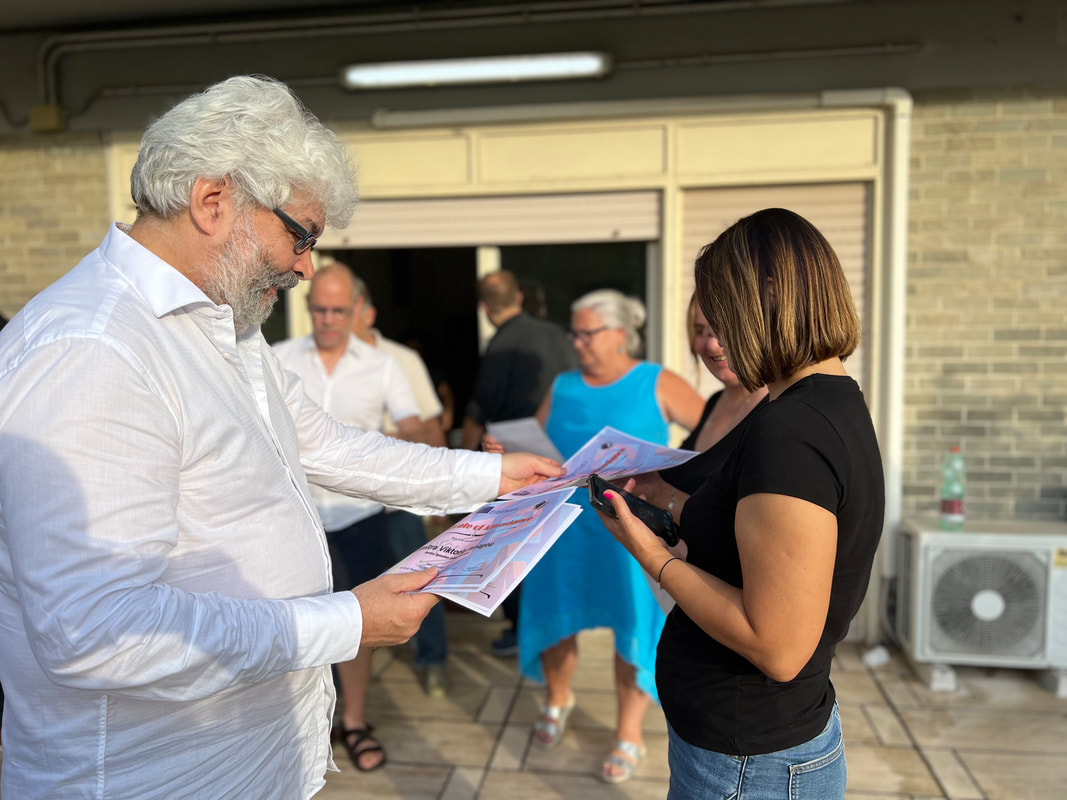
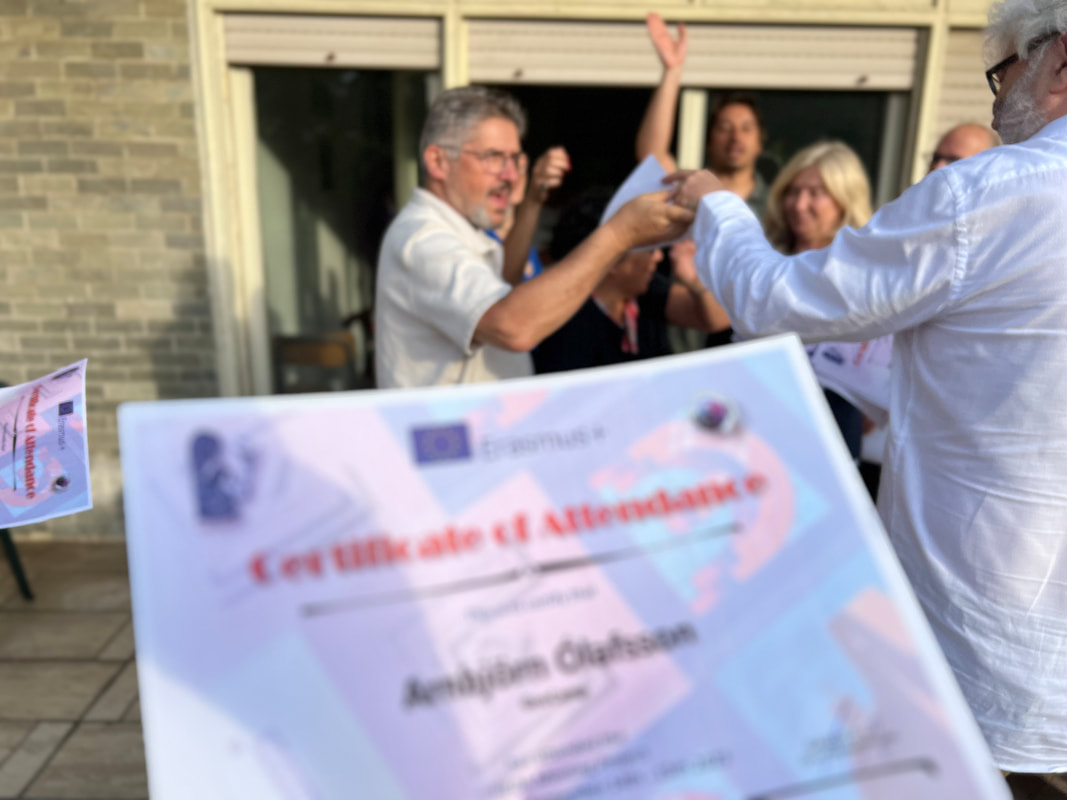
GeoCamp Iceland’s Role At GeoCamp Iceland, we believe learning comes alive when it steps outside the classroom. That’s why this project is a perfect fit for us. Our contribution focuses on making mobility meaningful through place-based learning, community engagement, and sustainability education in the dramatic landscape of Iceland. As part of the project’s Dissemination and Sustainability work package (WP6), GeoCamp Iceland leads the communication efforts, ensuring the project’s tools, methods, and results reach a wider audience of educators, VET providers, and learners across Europe. We’re also deeply involved in co-creating mobility models that connect VET learners to real-world challenges—from sustainable tourism and environmental stewardship to green energy and digital skills. Ólafur Jón Arnbjörnsson will serve as coordinator for GeoCamp Iceland's participation in the project. A leading figure in Icelandic vocational education and training, Ólafur brings over fifty years of experience to the table. As the former Director of the Icelandic College of Fisheries and principal at several upper secondary schools, he has helped shape national VET policy and curriculum development—most notably by designing the certified training programme for fish technicians. With a Mag. Art degree in Education and Pedagogy from the University of Copenhagen, and decades of experience leading Nordic and EU projects, his insight into real-world learning, curriculum design, and labour market relevance has been instrumental in aligning the On the Move project with both Icelandic priorities and broader European goals. Project Outcomes The outcomes of the On the Move project reflect a strong commitment to transforming vocational education by grounding it in real-world experience and mobility. One of the central results is a comprehensive research report that maps current practices across partner countries, offering a critical understanding of how real-world learning and international mobility are already being implemented within VET systems. This report lays the foundation for future development and cross-country comparison. Building on this foundation, the project delivers a set of training modules designed specifically for VET teachers and mobility facilitators. These modules provide practical guidance and pedagogical tools to help educators implement experiential learning and manage mobility opportunities in inclusive and meaningful ways. Alongside the training, a digital toolkit for real-world learning is being developed. This open-access resource will include adaptable methodologies, templates, and planning tools to support institutions in integrating mobility into their curricula. To illustrate and contextualise these tools, the project also gathers case studies and mobility models from across Europe. These serve as replicable examples, demonstrating how vocational learners can benefit from immersive, hands-on experiences both at home and abroad. Finally, the project will culminate in a major conference hosted in Italy, where educators, policy makers, and stakeholders will come together to explore the project’s findings and to foster a broader community of practice dedicated to modern, inclusive, and responsive vocational education. Why It Matters In an increasingly uncertain world, vocational learners need more than technical skills—they need confidence, curiosity, and a sense of purpose. Projects like On the Move show how education can foster those qualities through international collaboration, mobility, and real-world experience. We’re honoured to be working alongside dedicated partners to make this vision a reality—and to ensure that every learner, no matter where they come from, has the opportunity to move, grow, and thrive. To learn more about the project, visit https://vet-onthemove.eu From March through August 2025, GeoCamp Iceland welcomed over 400 participants (students, faculty, and educational leaders from around the world) making this our busiest first half of the year ever, and nearly double the number we hosted during the same period in 2024.
The majority of our groups come from US-based high schools, colleges, and universities, including returning partners such as Marist College, the University of Southern Maine, the University of Wisconsin–Madison and Northwood School, as well as Beijing Normal University who joined us for the first time since before Covid. These institutions have returned year after year to bring their students into the field with us, deepening their engagement with Iceland’s dynamic natural and cultural landscape. This year also marked the arrival of several new partner institutions, including University of Maine, Phillips Exeter Academy, Taylor University, Georgian Court University, and Auburn School. We’re thrilled to welcome these schools into the GeoCamp Iceland network and look forward to supporting their continued commitment to field-based learning and sustainability education. Why partner with GeoCamp Iceland? Each program is designed in close collaboration with faculty and tailored to the academic focus of each group. Themes range from glacier science, geothermal energy, and climate change to coastal biodiversity, STEAM education, and cultural geography. Our approach bridges disciplines, encourages critical thinking, and connects learners directly with the environments they study. In addition to student programmes, we hosted faculty development trips and scouting visits from schools preparing for their first GeoCamp journeys in 2026, a sign of the growing interest in place-based, experiential learning across disciplines and age groups. As we look ahead to 2026, we’re proud to see more institutions joining our growing community, bringing new ideas, new energy, and a shared mission to make education more active, relevant, and globally connected. To all the educators, students, and partners who joined us this year: Thank you for making Iceland your living classroom and for contributing to deeper awareness of the challenges (and opportunities) our planet faces today. In July we welcomed West Chester University (WCU) back to GeoCamp Iceland for an intensive two-week field course exploring Iceland’s dynamic geology. Led by Dr. Daria Nikitina and supported by the GeoCamp Iceland team, this returning group of students dove deep into the volcanic landscapes, glacial systems, and geothermal wonders that make Iceland one of the most compelling Earth science classrooms on the planet.
Beginning on the Reykjanes Peninsula, students were introduced to Iceland’s unique position astride the Mid-Atlantic Ridge. From day one, they were already walking between tectonic plates and witnessing the surface expressions of deep geological forces—lava fields, rift valleys, and steaming geothermal zones. This introduction set the tone for a journey that would span from ancient eruptions to modern energy systems, from explosive volcanoes to sustainable innovation. Highlights from the programme included a hike to the Fagradalsfjall eruption site, a visit to the rift valley at Þingvellir National Park, and the iceberg-littered glacier lagoon of Jökulsárlón, as well as Gígjökull glacier and Snæfellsnes peninsula. Students explored tephra layers around Mt. Hekla, walked in the shadows of receding glaciers like Sólheimajökull, and stood on black sand beaches formed by relentless coastal erosion. They examined the aftermath of the 1973 eruption in the Westman Islands and traced Iceland’s renewable energy infrastructure from deep within the Earth to modern-day power plants like Hellisheiði. But this journey was never just about the rocks WCU students also reflected on the relationship between Iceland’s dramatic landscapes and its culture, visiting museums, engaging with local experts, and connecting the natural sciences with broader themes of sustainability, resilience, and history. And then, on their very last day in Iceland, nature reminded everyone why this island is truly alive. As if to underline the week’s lessons, the Reykjanes Peninsula once again ruptured open with a fresh volcanic eruption—offering students a rare and unforgettable opportunity to witness Earth’s power in real time, just hours before departure. GeoCamp Iceland remains committed to providing hands-on, meaningful educational experiences for Earth science students, and it’s a privilege to work with institutions like West Chester University who share our passion for active, outdoor learning. We look forward to welcoming them back again. Because in Iceland, there’s always more to discover. When we talk about the first Europeans to reach North America, the name Christopher Columbus is often the first that comes to mind. But long before the Niña, the Pinta, and the Santa Maria crossed the Atlantic, Norse explorers from Iceland and Greenland had already sailed westward, leaving footprints, stories—and settlements—on the shores of what they called Vinland.
One of the most remarkable figures in this early chapter of transatlantic history is Guðríður Þorbjarnardóttir, known simply as Guðríður the Far-Traveller. Born at Laugarbrekka on the Snæfellsnes Peninsula, she became one of the most widely travelled women of the Viking Age. With her husband Þorfinnur Karlsefni, Guðríður sailed to Vinland around the year 1000 and gave birth to a son, Snorri—believed to be the first European child born in the Americas. After returning to Iceland, Guðríður later made a pilgrimage to Rome, an extraordinary journey for any Icelander of the time. Another iconic explorer is Leifur Eiríksson, son of Eiríkur the Red. Around the year 1000, Leif sailed west from Greenland and reached the North American coast, likely landing on what we now know as Newfoundland. According to the sagas, he found wild grapes and fertile meadows, naming the land Vinland. Archaeological evidence from L’Anse aux Meadows, Newfoundland—excavated by Helge and Anne Stine Ingstad in the 1960s—confirmed Norse presence in North America around the year 1000, proving that Leif’s voyage was more than myth. But what about Columbus? A lesser-known theory, explored on historical signage in Iceland and by some historians, suggests that Christopher Columbus may have visited Iceland in 1477—fifteen years before his famous voyage—and learned about Vinland from Icelandic seafarers and scholars. At the time, tales of western lands were preserved in sagas and passed down orally by fishermen who travelled to Iceland’s northern coasts. Columbus’s biographer, his own son Ferdinand, writes of such a voyage to the north, and the Icelandic annals note the arrival of foreign sailors in those years. Did Columbus receive his first inspiration for a westward journey here, in the land of lava fields and long memory? At GeoCamp Iceland, we use this deep historical landscape as a teaching tool—connecting geography, archaeology, storytelling, and science. Whether it’s exploring Guðríður’s journey, walking in Leifur’s footsteps, or reflecting on the exchange of knowledge that may have influenced world history, the Icelandic coast offers a classroom like no other. From the windswept shores of Newfoundland to the volcanic slopes of Iceland, the story of early exploration is not only about who arrived first—but about how ideas, people, and possibilities crossed oceans long before borders existed. |
Archives
November 2025
Categories
All
|


RSS Feed