|
Earlier this month, we travelled to Lanzarote to take part in the first transnational meeting of the Erasmus+ project Green Footprint, a collaboration focused on one simple but important idea. Helping young people travel better.
GeoCamp Iceland is proud to be involved in the project as an associated partner, working alongside Visit Reykjanes, who lead the project, along with partners from Italy and Spain. Together, we are exploring how tourism can shift from being part of the problem to becoming part of the solution. The setting for the meeting could not have been more fitting. Lanzarote and the Chinijo Islands UNESCO Global Geopark is often described as an “open-air museum”—a landscape shaped by volcanic forces, rich in geological heritage, and at the same time increasingly under pressure from tourism. That balance between value and vulnerability framed much of our discussion. A key challenge discussed was the growing gap between how places are experienced and how they are presented online. Social media and the so-called “influencer effect” are driving visitors to fragile, often unprepared locations, sometimes with very real consequences for nature and local communities. At the same time, travellers are increasingly relying on digital tools and AI to plan their journeys, which raises an important question: who is shaping that information? The Green Footprint project is our attempt to step into that space At the heart of the project is the development of short, engaging video content designed to guide behaviour in a practical way. Not lectures, not rules, but simple, clear messages rooted in real places. From the Icelandic side, we introduced the idea of “Travel like a Guest”. It’s not complicated. If you wouldn’t walk across someone’s garden at home, don’t walk across fragile moss. If a place feels dangerous, it probably is. And if you can leave a place a little better than you found it (even by picking up one piece of litter) you’re already part of the solution. During the project meeting in Lanzarote we visited volcanic craters, coastal cliffs, lava formations, and cultural sites. Places where the challenges we were discussing are already visible. These field visits grounded the project in reality and will directly shape the content we develop moving forward. For us at GeoCamp Iceland, this project connects closely with what we already believe: that education, storytelling, and real-world experience are some of the most powerful tools we have to shape the future of travel. And if we get it right, the goal is simple—people leave not just with photos, but with a better understanding of the places they visit, and maybe even a slightly lighter footprint. From 8–12 September 2025, representatives from GeoCamp Iceland and Reykjanes UNESCO Global Geopark travelled to Temuco in southern Chile to participate in the 11th International Global Geoparks Conference (GGN 2025).
Hosted by Kütralkura UNESCO Global Geopark, the event gathered hundreds of delegates from geoparks around the world under the theme “From Ancestral Knowledge towards Future Geoparks: Technologies and Digital Innovation for Sustainable Development.” The Araucanía region, with its volcanic landscapes, ancient araucaria forests, and rich Mapuche-Pewenche cultural heritage, provided an inspiring backdrop for a conference dedicated to connecting science, culture, and community in the geopark framework. The Icelandic delegation included Arnbjorn Olafsson and Olafur Jon Arnbjornsson from GeoCamp Iceland, Þuríður Aradóttir Braun and Daníel Einarsson from Reykjanes UNESCO Global Geopark, and Sigurður Sigursveinsson from Katla Geopark. Together, they highlighted how Icelandic geoparks are developing innovative approaches to outdoor learning, regenerative tourism, and cultural heritage while strengthening ties to the international geopark network. Presentations and Posters Iceland contributed three oral presentations and five posters, covering a wide spectrum of topics. These showcased the innovative work happening in Reykjanes and beyond:
Each of these contributions underscored the role of Reykjanes as both a laboratory for Earth sciences and a hub for cultural storytelling, sustainability, and education. Looking Ahead Beyond the formal program, the Icelandic participants engaged actively with other geopark representatives, exchanged experiences on education and tourism development, and explored possibilities for future partnerships. The presence of Icelandic voices at GGN 2025 underscored the growing role of geoparks in addressing global challenges through local action. By sharing approaches that blend geoscience, cultural storytelling, regenerative tourism, and education, Reykjanes and Katla contributed to a global dialogue about how geoparks can serve as living laboratories for resilience and innovation. From the volcanic landscapes of Chile to the lava fields of Iceland, the conference demonstrated the strength of international cooperation in shaping the future of geoparks — and the future of education, sustainability, and community engagement they inspire. This August marks the launch of an new project under Nordplus Horizontal “Empowering Educators: Nordic Geoparks as Cross-Sectoral Hubs for Lifelong Learning”, led by Reykjanes UNESCO Global Geopark in Iceland and partnerd by geoparks in all Nordic countries as well as GeoCamp Iceland. The two-year project, running from August 2025 to August 2027, brings together UNESCO Global Geoparks across the Nordic region to strengthen teacher resources in outdoor education and to further develop geoparks as living classrooms. A Nordic partnership for education and sustainability The project is coordinated by Reykjanes UNESCO Global Geopark in Iceland, with formal partners including Odsherred (Denmark), Platåbergens (Sweden), Rokua (Finland), and Gea Norvegica (Norway) UNESCO Global Geoparks. Associated partners add further depth and expertise, among them the Balthazar Science Center in Sweden, the Suðurnes Science & Learning Centre, Gerðaskóli Primary School, and GeoCamp Iceland. Building skills for the future At the heart of the project is the aim to equip teachers with practical, place-based methods for climate, sustainability, and STREAM (Science, Technology, Reading, Engineering, Arts and Mathematics) education. Activities will include:
Towards long-term cooperation The project will culminate in an international conference in Iceland in 2027, where results will be shared with educators, policymakers, and stakeholders. The ultimate goal is to lay the foundation for long-term Nordic cooperationin education and community engagement, positioning geoparks as central hubs for innovation in outdoor learning. We are proud that GeoCamp Iceland is part of this forward-looking partnership, contributing our experience in field-based education and teacher training. Follow the project on Facebook for updates: Empowering Educators Images from the first transnational meeting in Rokua UNESCO Global Geopark
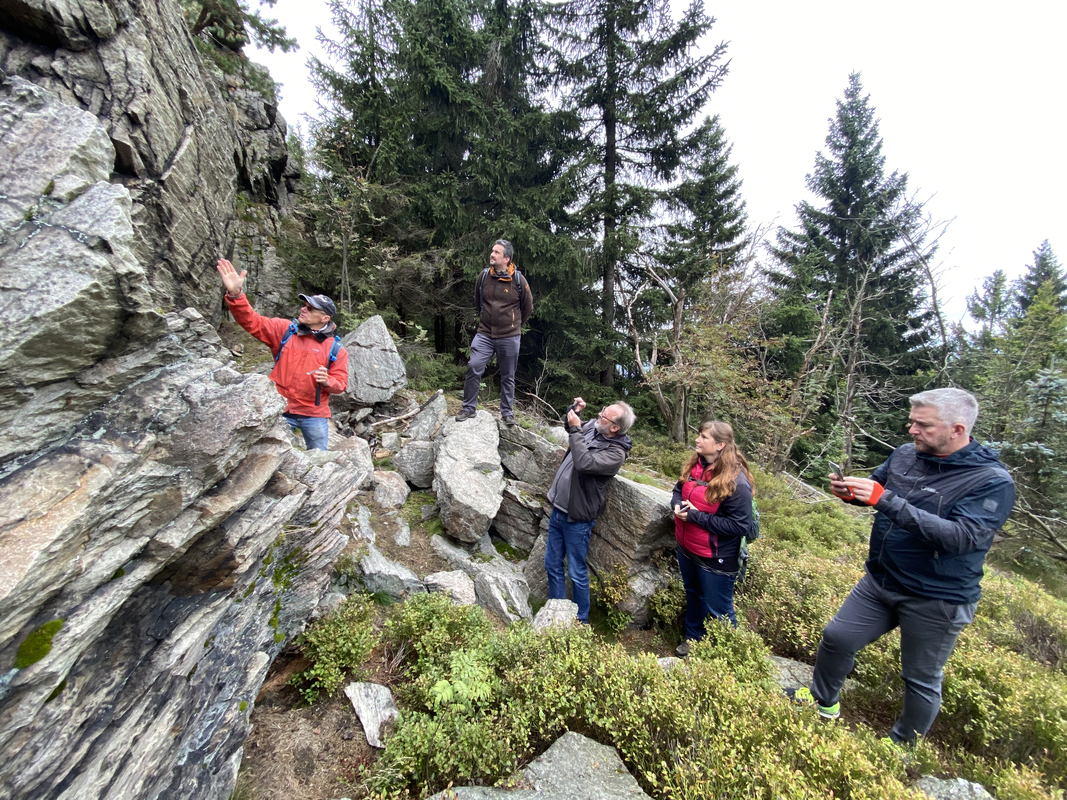
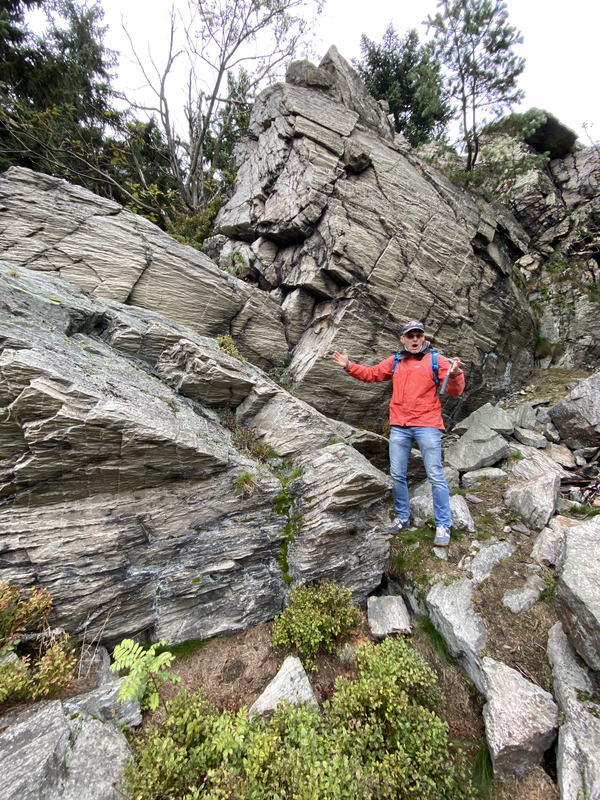
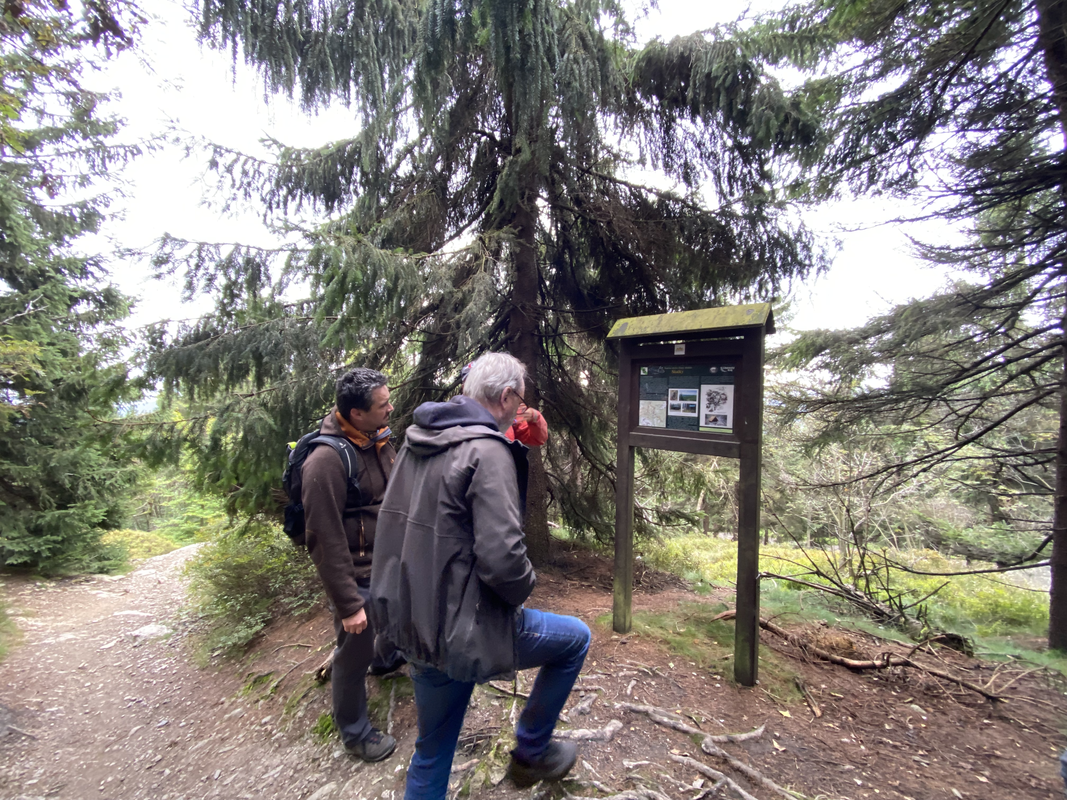
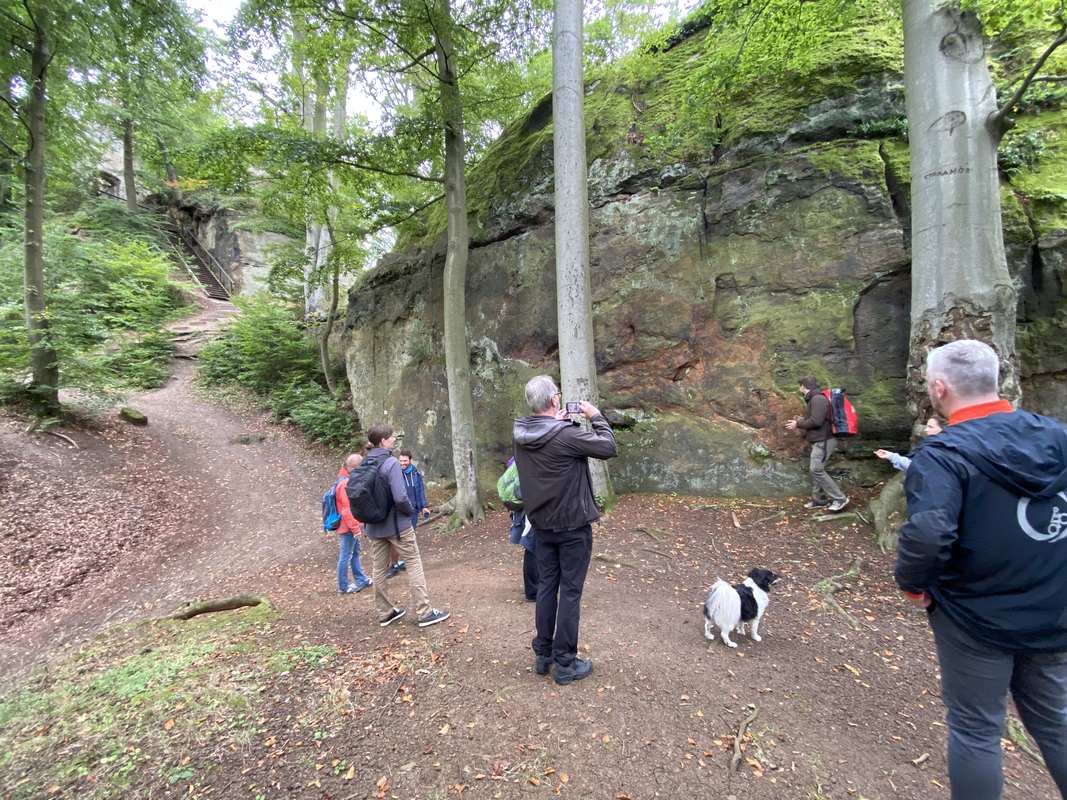
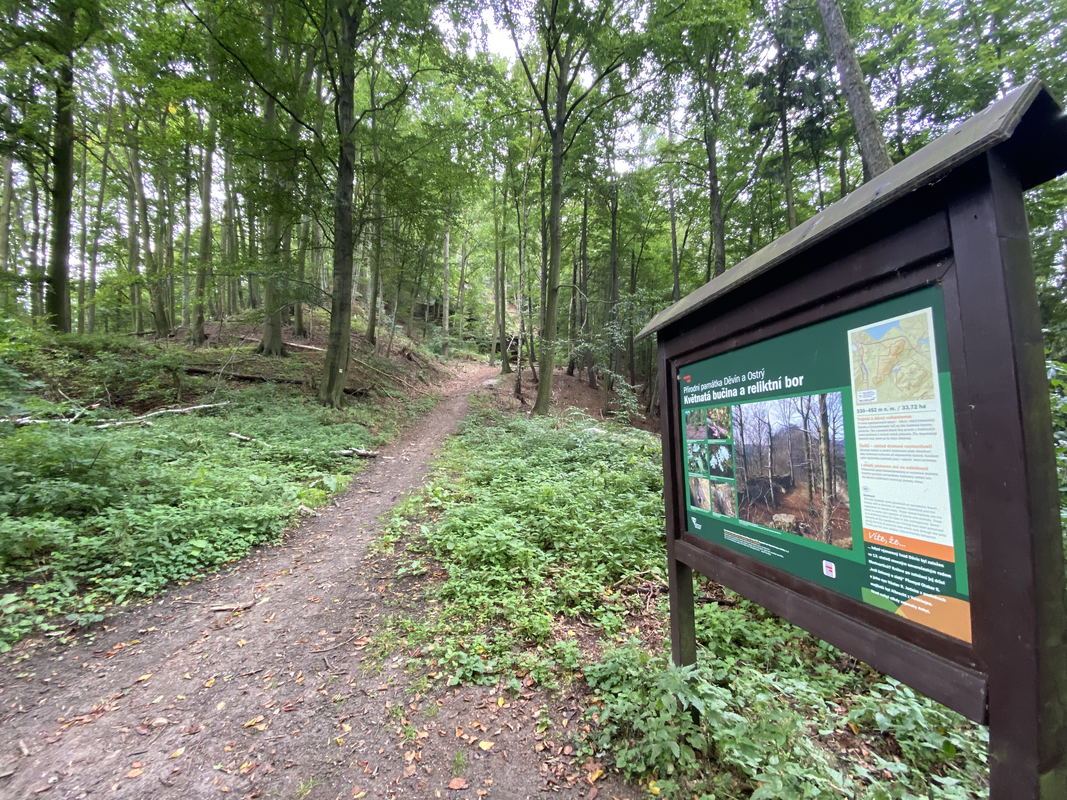
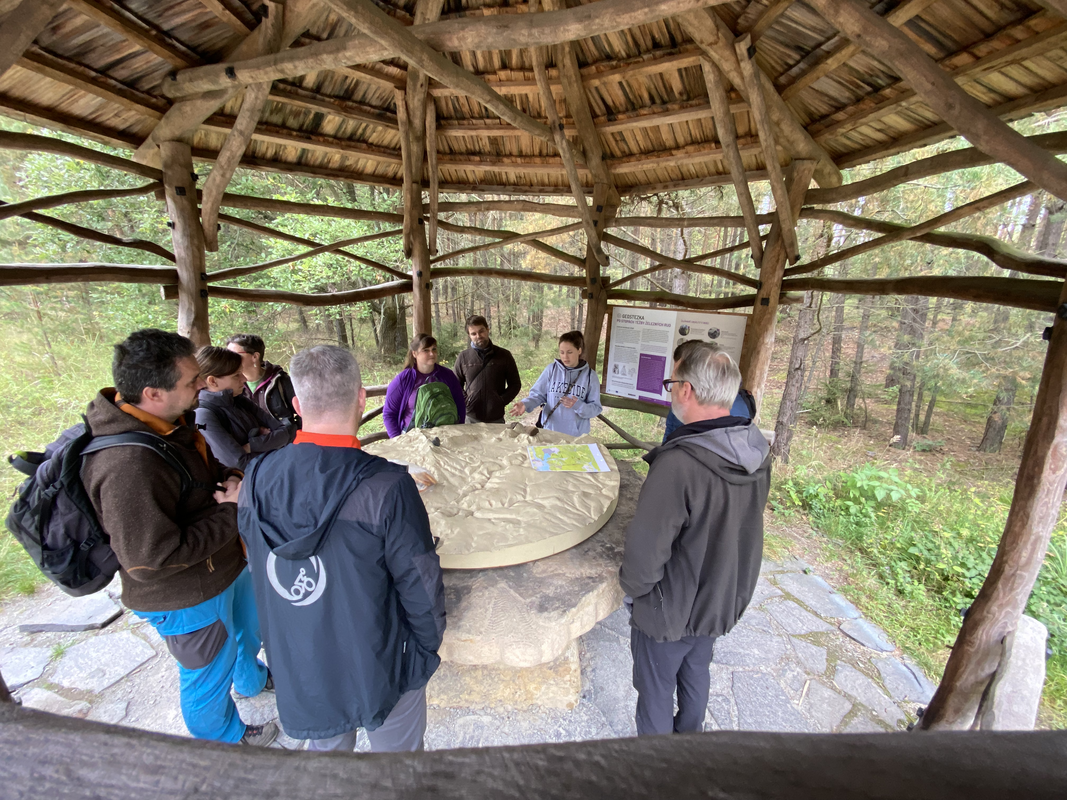
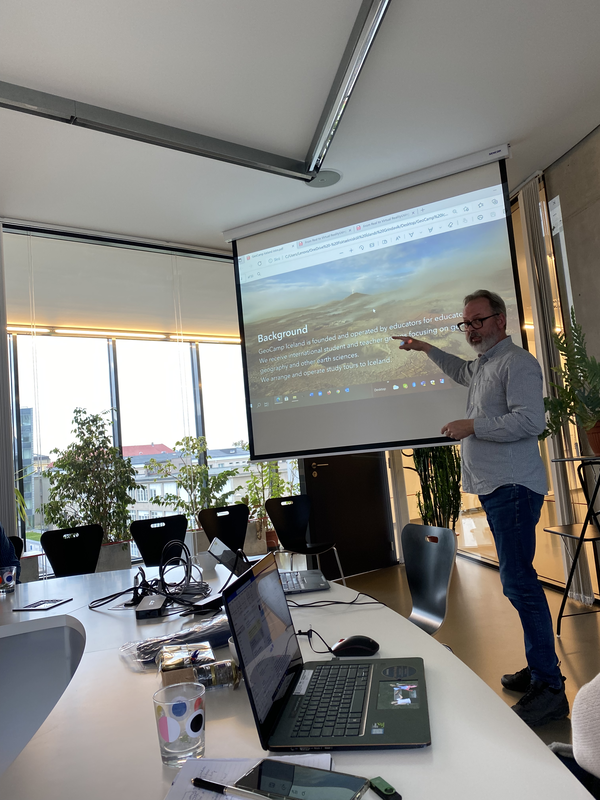
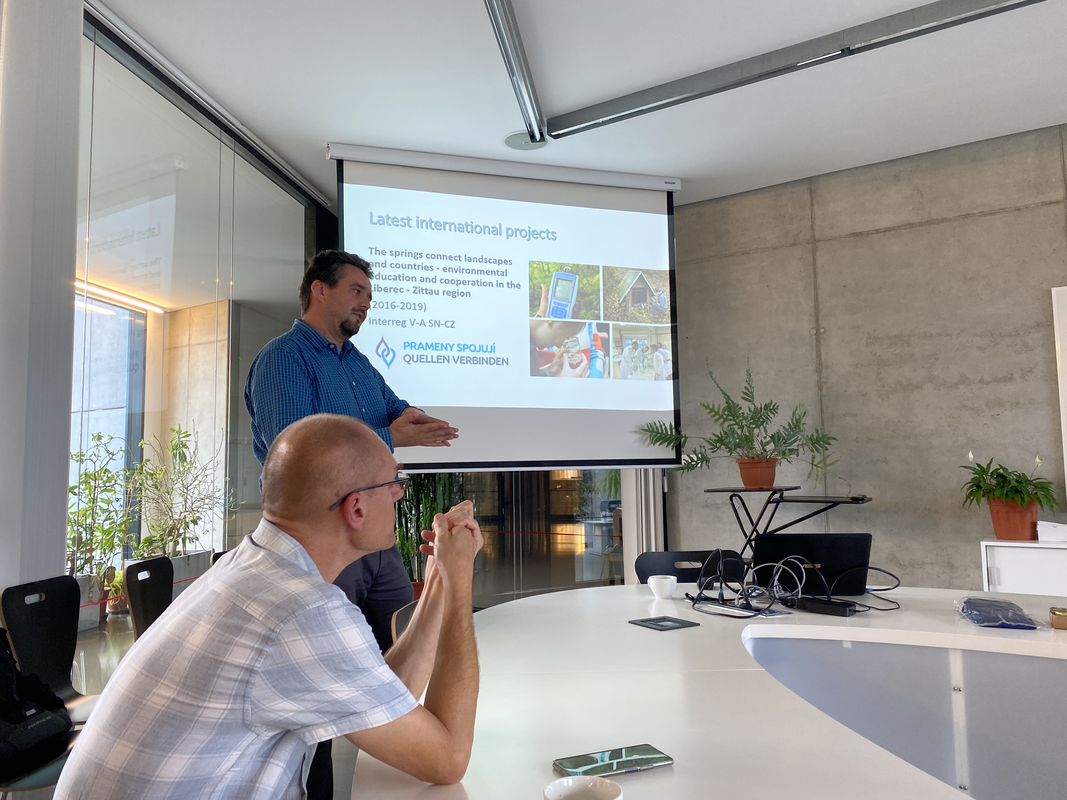
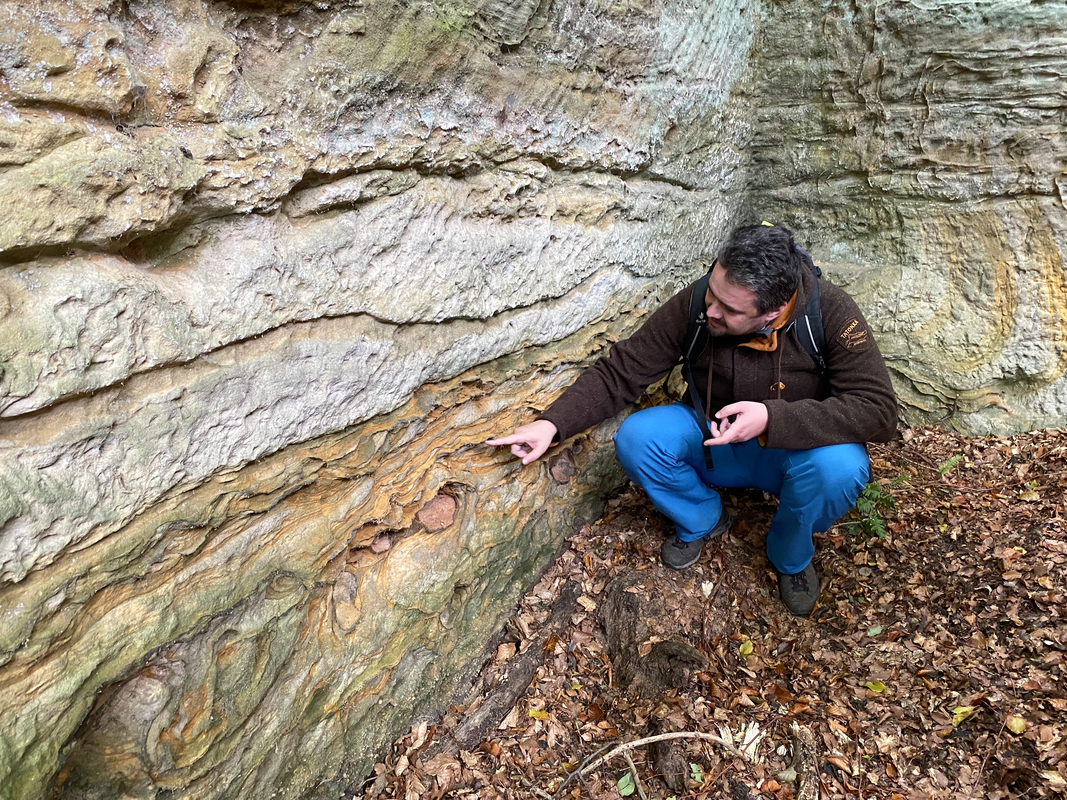
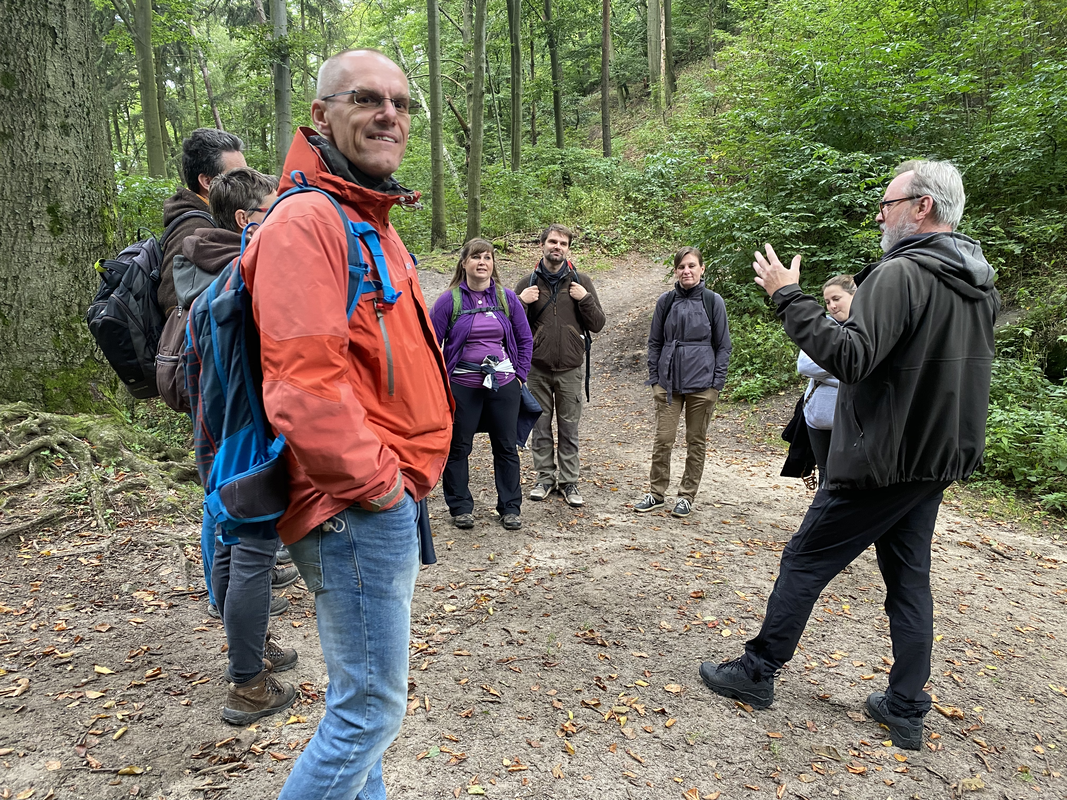
GEOCAMP - SUPPORTING GEOLOGY TEACHING TOWARDS ACTIVE CITIZENSHIP is a project is funded by the EEA and Norway Grants scheme. The project is a partnership between Technical University of Liberec and Ralsko Geopark in the Czech Republic, and Keilir Academy and GeoCamp in Iceland. The two-year project will bring new innovative teaching programmes and methods in the field of the sciences and geology. Above all, we will integrate an interdisciplinary approach and methods of locally-based teaching into the educational framework, thus promoting active citizenship and environmental responsibility. We respond to the very current challenge of equipping future educators not only with specific knowledge of biology and geology, but also with the ability to explain current phenomena such as climate change or drought in their entire environmental context. Only in this way can the teachers prepare their pupils for the challenges of the future and support their competence to take personal responsibility and act in the interests of environmental protection. First project meeting in Liberec in September 2021
Project partners met for the first time in September in a meeting hosted by the Czech partners, Technical University of Liberec and Ralsko Geopark. |
Archives
May 2026
Categories
All
|


RSS Feed